Regional party satraps losing cadre trust as splits deepen across India
Synopsis
India's regional parties — from Trinamool Congress and Shiv Sena to AAP and NCP — are fracturing from within, driven by dynastic succession battles, centralised leadership, and electoral setbacks. The cumulative damage is hollowing out the INDIA bloc's national ambitions and quietly handing the NDA a structural advantage it did not have to engineer.
Key Takeaways
Two separate splits in Uddhav Thackeray 's Shiv Sena faction follow earlier fractures in Trinamool Congress , signalling a widening pattern of regional party rebellions.
Dynastic succession — Abhishek Banerjee in TMC and Aaditya Thackeray in Shiv Sena — has reportedly alienated senior party figures in both outfits.
The NCP split in 2023 and the Shiv Sena split in 2022 have collectively eroded Opposition unity in Maharashtra and nationally.
AAP has exited seat-sharing talks within the INDIA bloc; DMK has sought distance from Congress in Parliament.
The NDA is reportedly moving closer to a two-thirds majority in the Rajya Sabha as rebel regional party members pledge support.
Opposition leaders allege BJP uses central investigative agencies to engineer defections; the ruling party disputes the charge.
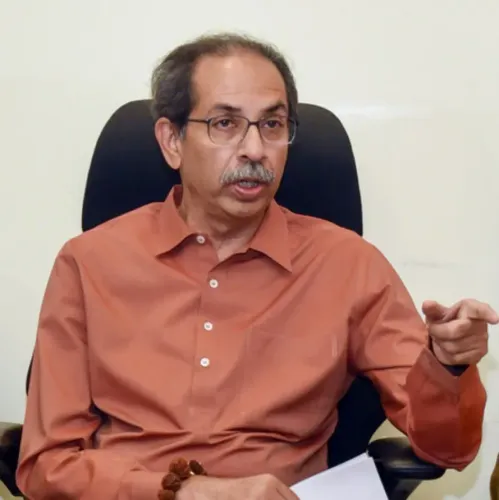
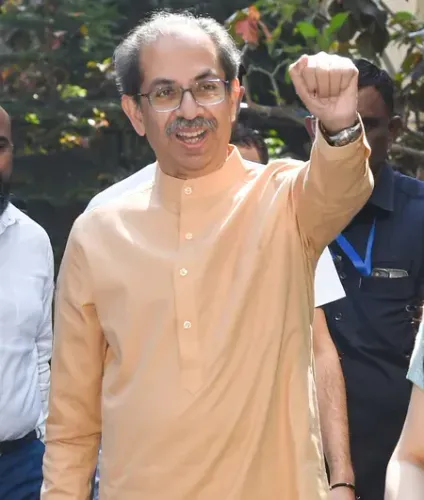
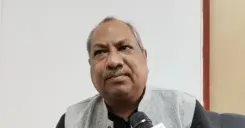
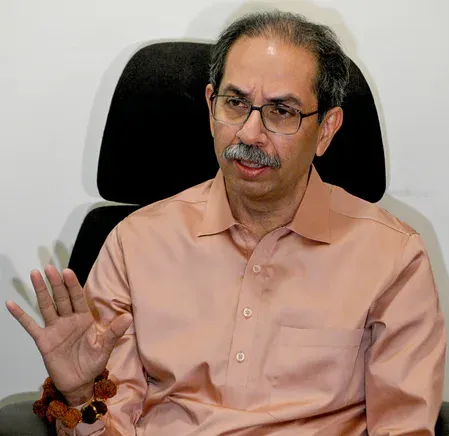
Regional parties across India are confronting an unprecedented wave of internal rebellions, with senior leaders losing the confidence of their own cadres in what analysts describe as a structural crisis of credibility — not merely a cycle of defections. The fractures, most recently visible in two separate splits within the Uddhav Thackeray-led Shiv Sena faction, follow similar ruptures in the Trinamool Congress (TMC), underscoring a pattern that is reshaping national Opposition politics.
Dynastic Succession and the Seeds of Discontent
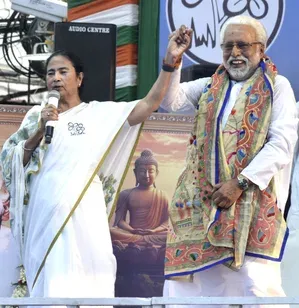
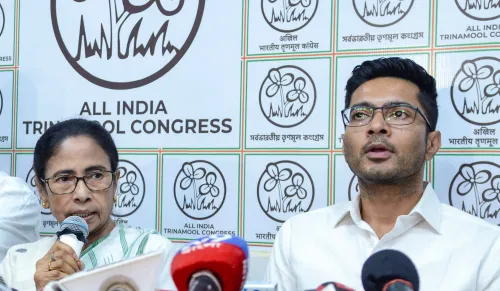
A common thread running through the internal crises of multiple regional parties is dynastic succession and the resentment it breeds among veteran leaders. In the Trinamool Congress, the rapid rise of Abhishek Banerjee — nephew of party supremo Mamata Banerjee — reportedly alienated a significant section of senior leadership. A parallel dynamic reportedly played out in Shiv Sena, where the growing prominence of Aaditya Thackeray is said to have unsettled established party figures in Maharashtra.
The pattern is not new. Less than a decade ago, a bitter succession struggle unfolded within the Samajwadi Party (SP) in Uttar Pradesh, pitting Akhilesh Yadav against his late father Mulayam Singh Yadav. The conflict — marked by accusations of political patronage, administrative control, and party symbol ownership — eventually saw Akhilesh expel his father and consolidate control, while his uncle Shivpal Yadav carved out a separate sphere of influence. It was a template for what would follow elsewhere.
Maharashtra: A Decade of Fractures
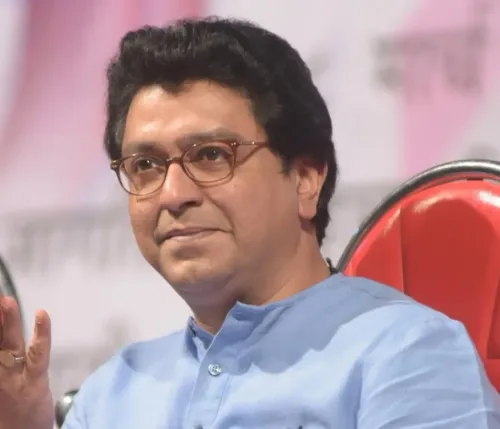
In Maharashtra, the fault lines in Shiv Sena stretch back to the death of founder Balasaheb Thackeray in 2012. The rivalry between his son Uddhav Thackeray and cousin Raj Thackeray — which led Raj to float the Maharashtra Navnirman Sena (MNS) — weakened the Sena's regional dominance without either faction matching the founder's mass appeal. The two cousins eventually moved toward a reunion for local body elections, but the damage to the party's organisational cohesion had already been done.
The 2022 split, when a large group of legislators defected to the Eknath Shinde camp and aligned with the Bharatiya Janata Party (BJP), set a new precedent. Critics argue this emboldened similar moves elsewhere. The Nationalist Congress Party (NCP) experienced its own fracture in 2023, further eroding Opposition unity in the state and nationally.
INDIA Bloc Unity Under Strain
The cumulative effect of these internal ruptures is being felt most acutely within the INDIA opposition grouping, whose foundational premise was regional party solidarity against the National Democratic Alliance (NDA). That foundation is now visibly cracking. The Aam Aadmi Party (AAP) has walked away from seat-sharing arrangements within the bloc, citing mistrust and disagreements with the Indian National Congress (Congress). The Dravida Munnetra Kazhagam (DMK) has also distanced itself from Congress, reportedly requesting a separate seating arrangement in Parliament.
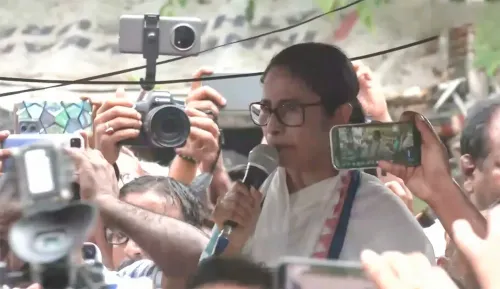
Rebels within regional parties have criticised what they describe as centralised, top-down decision-making, accusing leaders like Mamata Banerjee and Arvind Kejriwal of sidelining grassroots voices. Electoral defeats in state polls have accelerated disillusionment among cadres, while ongoing corruption investigations by central agencies have, according to some party insiders, created an atmosphere of fear that makes defections more likely. Opposition leaders, in turn, accuse the BJP of weaponising investigative agencies to engineer splits — allegations the ruling party disputes.
NDA's Quiet Dividend
For the NDA, the Opposition's internal turmoil is translating into tangible political gains. With rebel legislators and parliamentarians from regional parties pledging support, the ruling coalition is reportedly inching closer to a two-thirds majority in the Rajya Sabha while consolidating its position in the Lok Sabha and state assemblies. Notably, the NDA need not engineer every split to benefit — the Opposition's inability to manage internal dissent is doing much of the work.
The leaders who once embodied regional pride and commanded mass loyalty now increasingly appear disconnected from the very cadres that built their political machines. Unless regional parties address the structural causes — dynastic concentration of power, ignored grassroots voices, and accountability deficits — the fragmentation is likely to deepen ahead of the next round of state elections.
Point of View
Not years. The INDIA bloc's architects underestimated how fragile regional solidarity is when it rests on personal loyalty to leaders rather than on shared ideology or organisational structures. The NDA's growing parliamentary arithmetic is, in large part, a windfall from Opposition mismanagement — which makes it structurally more durable than gains won through direct contest. The harder question, which mainstream coverage avoids, is whether the BJP's own alliance partners are immune to the same dynastic and centralisation pressures, or whether the current moment simply reflects whose turn it is to fracture.
NationPress
16 Sept 2026
Frequently Asked Questions
Why are regional parties in India facing internal splits?
Regional parties are experiencing rebellions driven by dynastic succession, centralised leadership that sidelines grassroots voices, and demoralisation following electoral defeats. Ongoing corruption investigations by central agencies have also reportedly increased the pressure on leaders and made defections more likely, according to party insiders.
How have the Trinamool Congress and Shiv Sena splits affected the INDIA bloc?
The splits have directly weakened the INDIA bloc's organisational base, as both TMC and Shiv Sena are key constituents. With rebel legislators and MPs moving toward NDA-aligned positions, the Opposition's ability to present a united front against the ruling coalition has diminished significantly.
What role has dynastic politics played in these party fractures?
Dynastic succession is a central factor. The rise of Abhishek Banerjee in Trinamool Congress and Aaditya Thackeray in Shiv Sena reportedly alienated senior leaders who felt bypassed. A similar pattern played out earlier in the Samajwadi Party, where Akhilesh Yadav's consolidation of power marginalised his father Mulayam Singh Yadav and uncle Shivpal Yadav.
How is the NDA benefiting from Opposition splits?
The NDA is reportedly gaining ground toward a two-thirds majority in the Rajya Sabha as rebel regional party members pledge support. Without needing to engineer every defection, the ruling coalition benefits from the Opposition's inability to manage internal dissent, reinforcing its claim as the only stable national political force.
What happened in the Shiv Sena and NCP splits?
Shiv Sena's first major split in 2022 saw a large group of legislators defect to the Eknath Shinde camp, which then aligned with the BJP. The Nationalist Congress Party experienced a similar fracture in 2023. Both splits weakened Maharashtra's Opposition bloc and set precedents that critics argue have encouraged defections in other regional parties.