ISI ramps up terror funding to $150 mn even as Pakistan enforces austerity
Synopsis
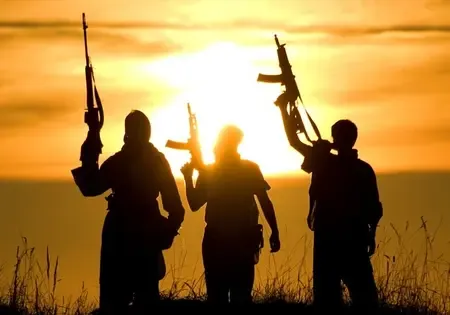
Pakistan is publicly enforcing austerity — closing markets early, banning official dinners, freezing vehicle purchases — while the ISI simultaneously orders front groups, drug cartels, and classified state channels to raise terror funding from $125 million to $150 million, according to Indian intelligence officials. The post-Operation Sindoor rebuilding of Jaish-e-Mohammad and Lashkar-e-Taiba appears to be already underway, with Jammu and Kashmir directly in the crosshairs.
Key Takeaways
Pakistan has imposed public austerity — fuel cuts, foreign travel bans, early market closures — while simultaneously directing a terror funding surge, officials say.
Indirect state-backed channels are being asked to raise terror financing from $125 million to $150 million this year, according to intelligence estimates.
Criminal enterprises — drug cartels, money launderers, extortion gangs — have been directed to increase contributions from $70 million to at least $100 million .
Religious charities and front organisations, which reportedly contribute around $200 million annually, have been asked to scale up collections.
Pakistan's defence budget for 2026–27 stands at $10.8 billion (1.01 trillion PKR), with the allocation raised from 16% to 18% ; officials say a portion is diverted to terror infrastructure.
A well-funded Jaish-e-Mohammad and Lashkar-e-Taiba pose a direct threat to security in Jammu and Kashmir , Indian officials warn.
Even as Pakistan rolls out sweeping austerity measures to cope with a mounting economic crisis, the country's intelligence apparatus is simultaneously directing front organisations, criminal networks, and classified state channels to accelerate fundraising for terror groups, according to Indian intelligence officials. The parallel tracks — fiscal belt-tightening for citizens and a funding surge for proxy outfits — underscore what officials describe as Islamabad's enduring strategic calculus.
The Austerity Façade
Pakistan's government has announced significant curbs on official spending: major reductions in fuel usage, a ban on foreign travel for officials, and a freeze on procurement of new government vehicles. Public-facing measures have gone further, with official dinners, high-level conferences, and funded seminars all banned. Markets and shopping centres have been instructed to shut by 9 p.m., while restaurants must close by 11 p.m., as part of a national power-conservation drive.
Terror Funding Scaled Up Post Operation Sindoor
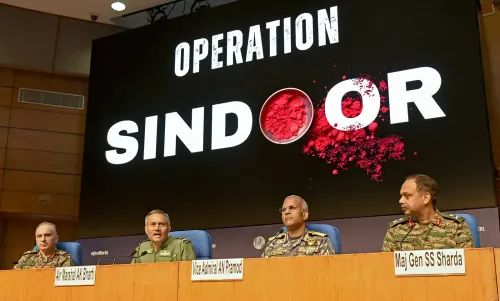
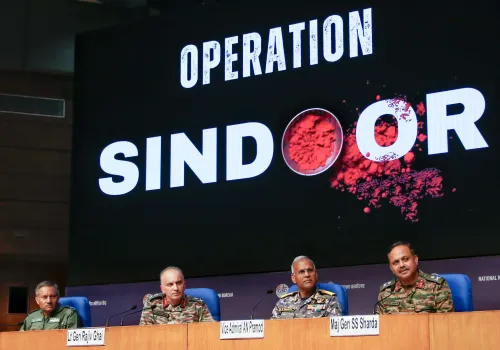
Indian intelligence officials say the timing is not coincidental. Operation Sindoor — conducted by Indian armed forces in response to the Pahalgam terror strike — reportedly inflicted millions of dollars in losses on the ISI and its proxy outfits, including Jaish-e-Mohammad (JeM) and Lashkar-e-Taiba (LeT). Both groups are now described as being in urgent need of rebuilding funds.
According to officials, the ISI has instructed all its funding wings — front organisations, criminal enterprises, and classified state channels — to ramp up collections. Intelligence estimates indicate that indirect state-backed channels, which funded approximately $125 million last year, have been directed to raise that figure to $150 million this year.
Criminal Networks and Front Organisations Mobilised
The criminal ecosystem that underpins Pakistani terror financing — comprising drug cartels, money launderers, and kidnapping-and-extortion gangs — contributed an estimated $70 million to terror groups until last year. Officials say these networks have now been asked to raise that sum to at least $100 million in the current year.
Religious charities and other front organisations, which reportedly contribute around $200 million annually, have similarly been instructed to increase their collections, according to intelligence officials. These channels provide a degree of deniability, masking state direction behind ostensibly civilian or charitable structures.
Defence Budget Diversion: A Longstanding Conduit
Pakistan's official defence budget for the 2026–27 fiscal year stands at 1.01 trillion PKR (approximately $10.8 billion), reflecting a rise in the defence allocation from 16% to 18%. Officials note that terror groups have long benefited indirectly from defence allocations, with underground financing routed through funds earmarked for the military. Classified state allocations to these groups have also reportedly been increased.
This is consistent with a pattern that intelligence agencies have tracked for years: the Pakistani military uses proxy groups to fight battles it cannot officially own, and the defence budget serves as a structural conduit for that arrangement, officials say.
Implications for India and Jammu and Kashmir
Indian security officials warn that a well-funded Lashkar-e-Taiba and Jaish-e-Mohammad directly threaten stability in Jammu and Kashmir. 'If groups such as the Lashkar-e-Taiba and Jaish-e-Mohammad are well fed, then terror activities, especially in Jammu and Kashmir, are likely to rise,' an official said. Agencies have indicated they will maintain close surveillance on these funding developments as they evolve.
The juxtaposition of public austerity and covert terror financing, officials argue, reveals the true hierarchy of priorities within Pakistan's security establishment — and signals that the post-Sindoor rebuilding of proxy infrastructure is already underway.
Point of View
Insulated from civilian budget pressures. What is notable this time is the scale and urgency: Operation Sindoor evidently inflicted real material damage on ISI-backed networks, and Rawalpindi is moving quickly to repair it. Indian agencies are right to flag this, but the harder question is whether the international pressure architecture — FATF, bilateral sanctions, multilateral forums — is calibrated to intercept a funding surge that routes through defence budgets and religious charities rather than traceable financial channels.
NationPress
18 Sept 2026
Frequently Asked Questions
Why is Pakistan increasing terror funding while enforcing austerity?
According to Indian intelligence officials, the ISI has directed its funding networks to ramp up collections for terror groups like Jaish-e-Mohammad and Lashkar-e-Taiba, which suffered significant losses in Operation Sindoor. The austerity measures apply to civilian and official spending, while terror financing — routed through front organisations, criminal enterprises, and classified state allocations — operates on a separate track entirely.
How much is Pakistan reportedly channelling into terror funding in 2026?
Intelligence estimates cited by officials indicate that indirect state-backed channels have been directed to raise funding from approximately $125 million last year to $150 million this year. Criminal enterprises have been asked to increase contributions from $70 million to at least $100 million, while religious charities and front organisations — which reportedly contribute around $200 million annually — have been told to increase their collections further.
What is Operation Sindoor and why is it relevant to this funding surge?
Operation Sindoor was a military operation conducted by Indian armed forces in retaliation for the Pahalgam terror strike. Officials say it inflicted millions of dollars in losses on the ISI and its proxy outfits, prompting a scramble to rebuild those networks through accelerated fundraising across all available channels.
How does Pakistan's defence budget factor into terror financing?
Pakistan's official defence budget for 2026–27 stands at 1.01 trillion PKR (approximately $10.8 billion), with the allocation raised from 16% to 18%. Officials say terror groups receive underground financing routed through funds earmarked for the defence sector — a long-established mechanism that provides both resources and deniability.
What is the security impact for India, particularly Jammu and Kashmir?
Indian security officials warn directly that a better-funded Lashkar-e-Taiba and Jaish-e-Mohammad increases the likelihood of heightened terror activity in Jammu and Kashmir. Intelligence agencies say they will maintain close watch on the funding developments, given the direct threat they pose to India's security environment.