Jaishankar Arrives in Mongolia to Advance Special Partnership
Synopsis
External Affairs Minister Dr. S. Jaishankar arrived in Ulaanbaatar on 22 June 2026 for high-level engagements with Mongolian officials. The visit aims to advance the India-Mongolia Special Partnership, built on shared Buddhist heritage, defence ties and development cooperation since the 2015 strategic upgrade.
Key Takeaways
Jaishankar arrived in Mongolia on 22 June 2026 for bilateral diplomatic engagements.
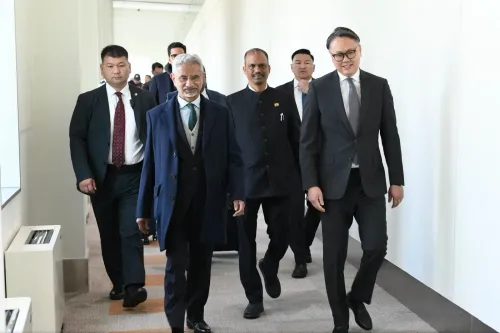
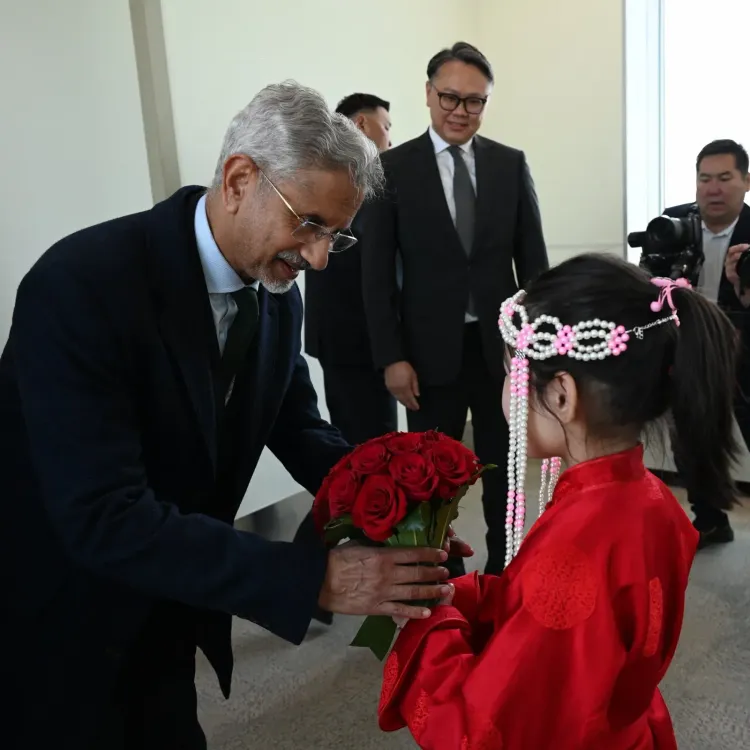
He was welcomed by State Secretary Munktushig Ilkhanajav upon arrival in Ulaanbaatar .
India and Mongolia share a Special Partnership established during PM Modi 's landmark 2015 visit — the first by an Indian Prime Minister to Mongolia.
Defence ties include a 2001 cooperation agreement and annual 'Nomadic Elephant' joint military exercises since 2004 .
Cooperation spans IT, education, renewable energy and mining , underpinned by shared Buddhist heritage and democratic values.
Possible signing of new MoUs and discussions on connectivity and multilateral coordination are expected during the visit.
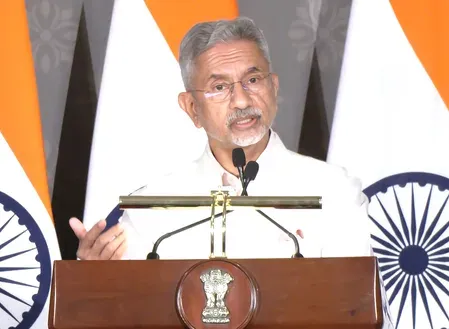
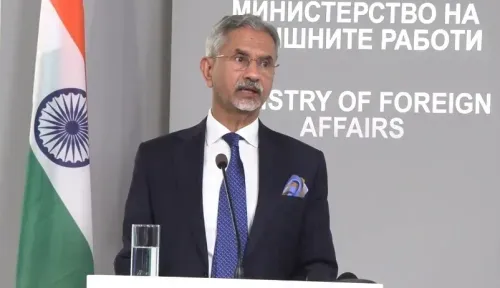
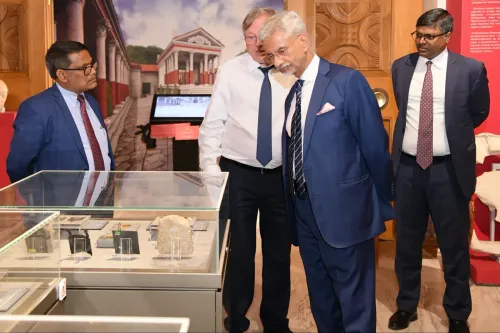
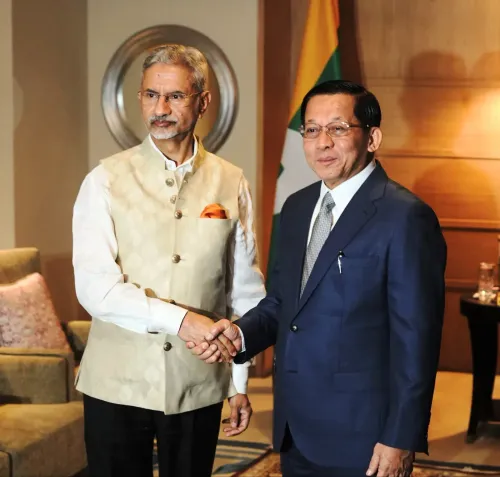
Union External Affairs Minister Dr. S. Jaishankar arrived in Mongolia on Monday, 22 June 2026, marking a significant high-level diplomatic engagement between the two countries. He was received by State Secretary Munktushig Ilkhanajav and expressed anticipation for 'fruitful engagements to advance our special partnership.'
Context
Dr. Jaishankar's arrival in Ulaanbaatar continues India's pattern of sustained high-level engagement with Mongolia, a landlocked East Asian democracy that pursues what it calls a 'third neighbour' policy — actively cultivating ties with partners beyond its two giant neighbours, Russia and China. The visit signals New Delhi's intent to deepen bilateral cooperation across multiple domains. The minister acknowledged the warm welcome extended by State Secretary Ilkhanajav upon his arrival.
India and Mongolia formally elevated their relationship to a Special Partnership during Prime Minister Narendra Modi's historic visit to Ulaanbaatar in May 2015 — the first-ever visit by an Indian Prime Minister to Mongolia. That visit set the framework for expanded cooperation in defence, culture, education and economic development.
Policy Backdrop
The bilateral relationship rests on several durable pillars. The two countries share deep historical and cultural ties rooted in Buddhism, and India has positioned itself as a partner in Mongolia's capacity-building journey, with cooperation spanning information technology, education and renewable energy. A defence cooperation agreement signed in 2001 formalised security ties, and the two armies have conducted joint military exercises under the banner 'Nomadic Elephant' annually since 2004.
Successive high-level exchanges since the 2015 strategic partnership upgrade have kept focus on mining, connectivity and Mongolia's broader outreach to democratic partners. India's engagement fits within a wider foreign policy arc of calibrated outreach to Central and East Asian nations, reinforcing New Delhi's 'Act East' orientation and its emphasis on partnerships grounded in shared democratic values.
Stakeholders and Impact
The primary stakeholders in this visit are the foreign ministries and defence establishments of both countries, which have built an institutional relationship over more than two decades. For Mongolia, deepening ties with India offers economic diversification and a counterbalance in its complex geopolitical neighbourhood. For India, the relationship reinforces connectivity with East Asia and adds a like-minded democratic voice to its strategic calculus.
Broader communities of interest include Indian and Mongolian academic institutions, Buddhist cultural organisations and businesses engaged in the mining and energy sectors. Mongolia holds significant reserves of coal, copper and rare earth minerals, areas where Indian industry has expressed interest. Any new agreements or memoranda of understanding signed during the visit would directly affect these constituencies.
What's Next
Observers will watch closely for the signing of any new MoUs on economic, cultural or technological cooperation during Dr. Jaishankar's engagements in Ulaanbaatar. Statements from both sides on connectivity, development assistance and multilateral coordination — particularly at forums where both nations participate — will be closely parsed for signals of deepening alignment.
The visit reinforces that India-Mongolia ties, though often understated in the broader regional conversation, carry strategic weight. As India continues to expand its diplomatic footprint in East and Central Asia, Ulaanbaatar represents a willing and historically resonant partner in that effort.
Point of View
Signalling that New Delhi views Mongolia not merely as a peripheral partner but as a meaningful node in its East Asian engagement. Mongolia's 'third neighbour' doctrine and India's desire to expand influence beyond its immediate neighbourhood create a natural convergence of interests. The visit also carries symbolic weight — sustaining momentum from the 2015 Modi visit that elevated ties to a Special Partnership. Consistent ministerial-level attention to Ulaanbaatar suggests India is investing in a long-term strategic relationship that could yield dividends in connectivity, resource access and multilateral diplomacy.
NationPress
22 Jun 2026
Frequently Asked Questions
Why is Jaishankar visiting Mongolia in June 2026?
Dr. Jaishankar is visiting Mongolia to advance the India-Mongolia Special Partnership through high-level diplomatic engagements, building on over two decades of bilateral cooperation in defence, culture, education and economic development.
What is the India-Mongolia Special Partnership?
The India-Mongolia Special Partnership was established during Prime Minister Narendra Modi's visit to Ulaanbaatar in May 2015 — the first by an Indian Prime Minister to Mongolia — and provides the framework for expanded bilateral cooperation across multiple sectors.
What is the 'Nomadic Elephant' exercise?
'Nomadic Elephant' is an annual joint military exercise between the Indian Army and the Mongolian Armed Forces, held since 2004 under a defence cooperation agreement signed in 2001.
What is Mongolia's 'third neighbour' policy?
Mongolia's 'third neighbour' policy is a foreign policy doctrine by which Ulaanbaatar actively cultivates strong ties with democratic partners such as India, the United States and Japan, beyond its two immediate and dominant neighbours, Russia and China.
What areas of cooperation are expected to be discussed during Jaishankar's Mongolia visit?
Expected areas of discussion include economic cooperation, mining, connectivity, IT and education partnerships, renewable energy, cultural ties rooted in shared Buddhist heritage, and possible signing of new MoUs.