Jaishankar Meets Bahrain FM Al Zayani in Manama
Synopsis
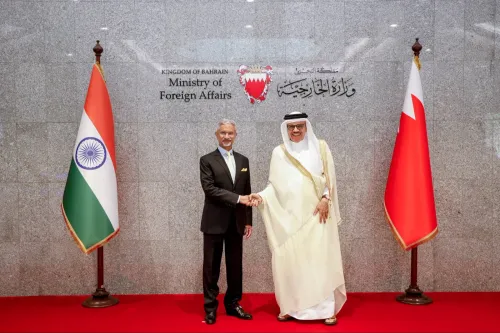
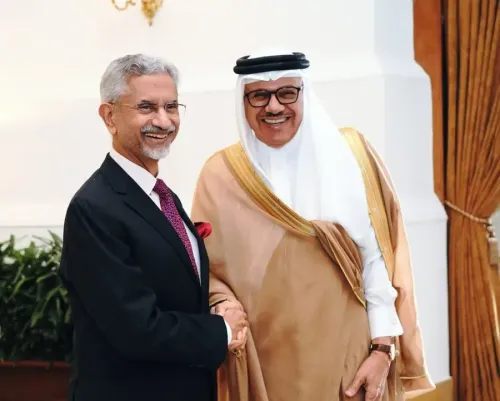
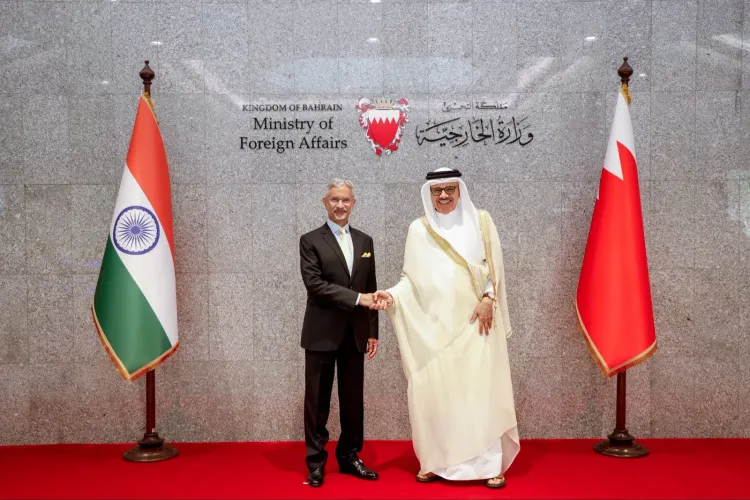
Union External Affairs Minister Dr. S. Jaishankar met Bahrain's FM Dr. Abdullatif bin Rashid Al Zayani in Manama on 6 July 2026. They discussed Indian diaspora welfare, deepening bilateral ties, and regional developments in the Gulf, reinforcing India's sustained diplomatic engagement with GCC states.
Key Takeaways
Jaishankar met Bahrain FM Dr.
Abdullatif bin Rashid Al Zayani in Manama on 6 July 2026 .
Jaishankar expressed appreciation for Bahrain's efforts to ensure the well-being of the Indian expatriate community .
Both sides discussed deepening bilateral cooperation and exchanged views on regional developments in the Gulf.
India and Bahrain have maintained diplomatic relations since 1973 ; PM Modi visited Bahrain in August 2019 , signing multiple MoUs.
Al Zayani previously served as GCC Secretary-General from 2011 to 2020 , bringing multilateral Gulf expertise to bilateral talks.
The meeting fits India's broader 'Look West' Gulf engagement combining diaspora welfare, energy security, and maritime cooperation.
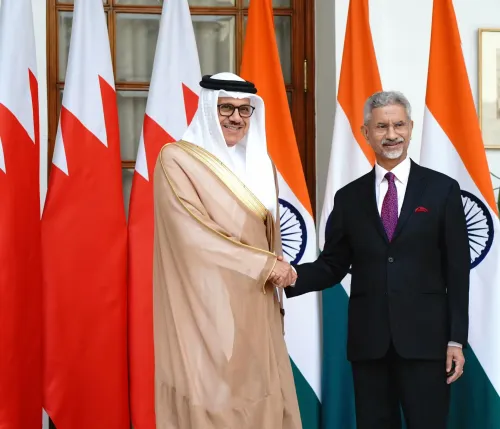
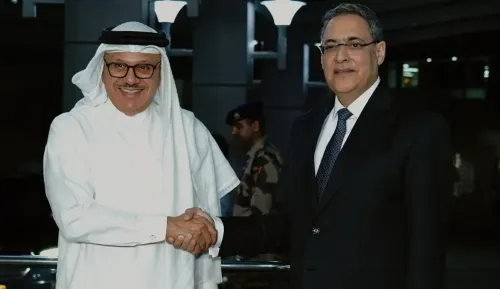
Union External Affairs Minister Dr. S. Jaishankar met Bahrain's Foreign Minister Dr. Abdullatif bin Rashid Al Zayani in Manama on Monday, 6 July 2026, holding discussions that spanned the welfare of the Indian diaspora, bilateral cooperation, and regional developments in the Gulf.
Context
Jaishankar described the meeting as a moment to express 'deep appreciation for ensuring the well-being of the Indian community' in Bahrain — a pointed acknowledgement of the Gulf kingdom's role as host to one of the largest Indian expatriate populations in the region. The two ministers also 'discussed deepening bilateral cooperation' and 'exchanged views on ongoing developments in the region,' according to Jaishankar's post on X.
Bahrain and India established diplomatic relations in 1973, and the Indian community in the country forms a significant economic and social constituency in both nations' bilateral calculus. Manama has been a regular venue for high-level India-Bahrain exchanges over the decades.
Policy Backdrop
The visit builds on a sustained phase of India-Bahrain engagement. Prime Minister Narendra Modi visited Bahrain in August 2019 — the first visit by an Indian Prime Minister to the kingdom — receiving the King Hamad Order of the Renaissance and signing multiple MoUs covering trade, culture, and defence cooperation.
India's broader Gulf diplomacy has evolved considerably since the mid-2000s under what analysts describe as an expanded 'Look West' approach, combining diaspora welfare, energy security, and maritime cooperation. Bilateral meetings with Bahrain sit within a wider architecture that includes annual India-GCC Foreign Office Consultations and growing engagement on Indian Ocean security. Dr. Al Zayani himself brings significant institutional weight to the table, having served as GCC Secretary-General from 2011 to 2020 before assuming the foreign affairs portfolio in 2019.
Stakeholders and Impact
The Indian expatriate community in Bahrain stands as the most immediate stakeholder in any outcome from this meeting. Diaspora welfare — covering labour rights, consular services, and community infrastructure — has been a consistent agenda item in India-Bahrain ministerial contacts, and Jaishankar's explicit appreciation signals continued bilateral attention to this constituency.
Energy importers, trade bodies, and maritime security planners in both countries also have a direct interest in the 'deepening bilateral cooperation' agenda. The reference to 'ongoing developments in the region' points to the broader West Asia security environment, where both nations maintain active diplomatic stakes.
What's Next
Observers will watch for any follow-up announcements on new bilateral mechanisms, joint working groups, or agreements that may emerge from the Manama talks. India's participation in upcoming GCC-related forums and Indian Ocean security dialogues is likely to be shaped, in part, by the groundwork laid in meetings such as this one.
The Manama engagement reinforces a pattern of sustained Indian ministerial-level outreach across the Gulf, signalling that New Delhi views the India-Bahrain relationship as a meaningful strand in its broader West Asia strategy.
Point of View
Where diaspora welfare and regional security have become inseparable diplomatic currencies. The explicit acknowledgement of Bahrain's care for the Indian community signals New Delhi's awareness that expatriate welfare is a domestic political issue as much as a foreign policy one. Al Zayani's decade-long tenure at the GCC helm means India is engaging a counterpart who understands multilateral Gulf architecture from the inside, which could accelerate any conversations about India's formal engagement with GCC institutions. The reference to 'ongoing regional developments' — deliberately unspecific — reflects the diplomatic caution both sides exercise on the volatile West Asia security environment.
NationPress
6 Jul 2026
Frequently Asked Questions
Why did Jaishankar visit Bahrain in July 2026?
Jaishankar travelled to Manama to meet Bahrain's Foreign Minister Dr. Abdullatif bin Rashid Al Zayani, with discussions covering the welfare of the Indian community in Bahrain, deepening bilateral cooperation, and regional developments in the Gulf.
How large is the Indian community in Bahrain?
Bahrain hosts one of the largest Indian expatriate populations in the Gulf, making diaspora welfare a central and recurring topic in India-Bahrain ministerial meetings.
What is the history of India-Bahrain diplomatic relations?
India and Bahrain established diplomatic relations in 1973. The relationship was significantly elevated when Prime Minister Narendra Modi visited Manama in August 2019 — the first visit by an Indian PM to Bahrain — during which multiple MoUs on trade, culture and defence were signed.
Who is Dr. Abdullatif bin Rashid Al Zayani?
Dr. Al Zayani has served as Bahrain's Minister of Foreign Affairs since 2019. Before that, he was Secretary-General of the Gulf Cooperation Council (GCC) from 2011 to 2020, giving him extensive experience in multilateral Gulf diplomacy.
What does India's 'Look West' policy mean for Gulf diplomacy?
India's 'Look West' approach, deepened since the mid-2000s, prioritises engagement with GCC states through a combination of diaspora welfare, energy security partnerships, and maritime cooperation, with bilateral ministerial meetings forming a key pillar of this strategy.