Jaishankar meets Nepal's Home Minister Gurung, bolsters bilateral ties
Synopsis
India pulled out all diplomatic stops for Nepal this week — EAM Jaishankar and Home Minister Amit Shah both met Kathmandu's Home Minister Sudhan Gurung in New Delhi within 24 hours, while the first-ever BIMSTEC Home Ministers' Meeting ended with the adoption of the Delhi Declaration, covering counter-terrorism, cybercrime, and a proposed disaster-response framework championed by Nepal.
Key Takeaways
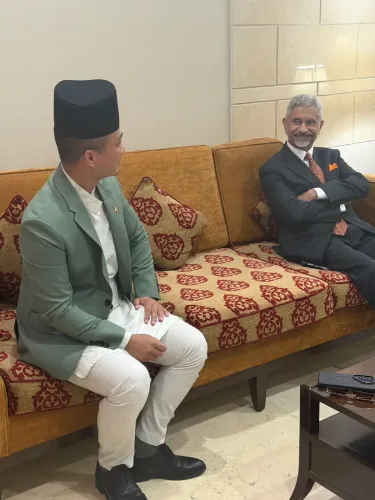
Jaishankar met Nepal's Home Minister Sudhan Gurung in New Delhi on 14 October 2026 to discuss bilateral ties.
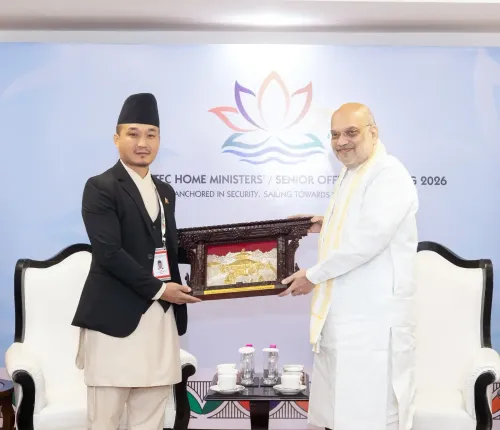
Home Minister Amit Shah met Gurung a day earlier on 13 October on the sidelines of the first BIMSTEC Home Ministers' Meeting , with both sides reaffirming bilateral cooperation.
The BIMSTEC meeting, chaired by Shah, concluded with the adoption of the Delhi Declaration , covering five areas: drug control, counter-terrorism, fugitive repatriation, cybersecurity, and institutional capacity building.
Nepal proposed a BIMSTEC Regional Framework on Disaster Preparedness and Response backed by a joint task force.
Gurung acknowledged India's timely assistance following recent floods and landslides in Nepal, according to the Nepal Embassy.
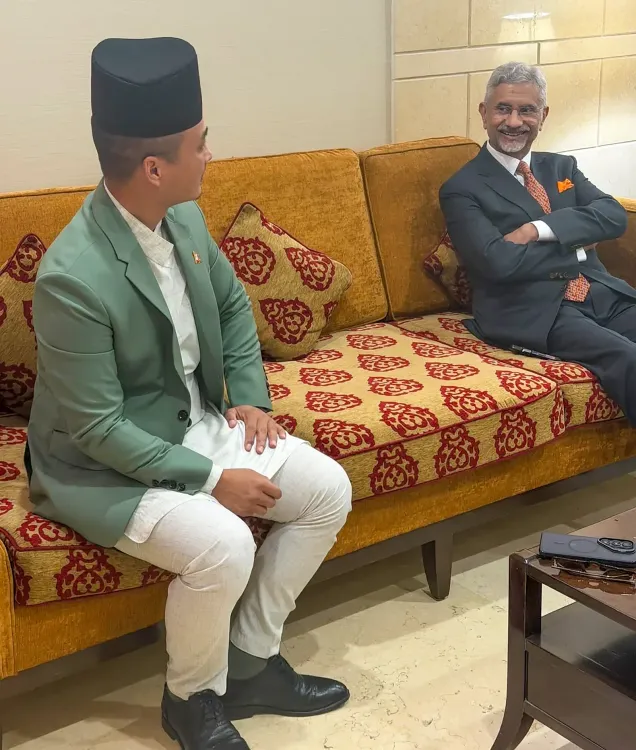
External Affairs Minister S. Jaishankar met Nepal's Home Minister Sudhan Gurung in New Delhi on Wednesday, 14 October 2026, holding discussions aimed at strengthening the bilateral relationship between India and Nepal. The meeting adds diplomatic momentum to a week of high-level India-Nepal engagement centred around the first BIMSTEC Home Ministers' Meeting.
Jaishankar-Gurung Bilateral Exchange
Sharing a glimpse of the meeting on X, Jaishankar wrote: 'Nice to meet Home Minister Sudhan Gurung of Nepal.' The brief but symbolically significant encounter reflects New Delhi's continued effort to keep political channels with Kathmandu engaged at multiple levels — not just through the home ministry, but also through the foreign affairs track.
Shah-Gurung Meeting on BIMSTEC Sidelines
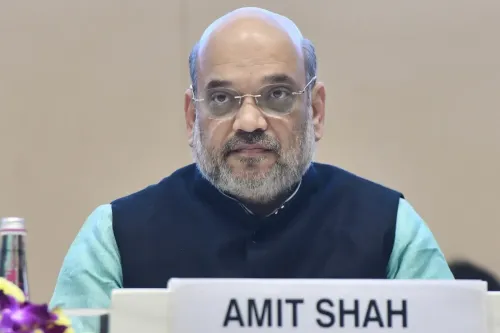
A day earlier on Tuesday, 13 October, Home Minister Amit Shah met Gurung on the sidelines of the inaugural Bay of Bengal Initiative for Multi-Sectoral Technical and Economic Cooperation (BIMSTEC) Home Ministers' Meeting in New Delhi. The two leaders reaffirmed commitment to deepening bilateral cooperation. 'Delighted to meet Nepal's Home Minister Sudhan Gurung, on the sidelines of the First BIMSTEC Home Ministers' Meeting in New Delhi. We reaffirmed our commitment to deepen bilateral cooperation and further strengthen the close ties between India and Nepal for peace, progress and prosperity in our region,' Shah posted on X.
According to the Nepal Embassy in India, Gurung expressed appreciation for India's timely humanitarian assistance following recent floods and landslides in Nepal. He also underscored the importance of advancing practical cooperation grounded in sovereign equality, mutual respect, and trust.
BIMSTEC Delhi Declaration Adopted
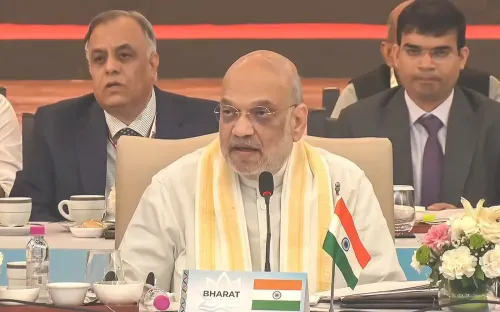
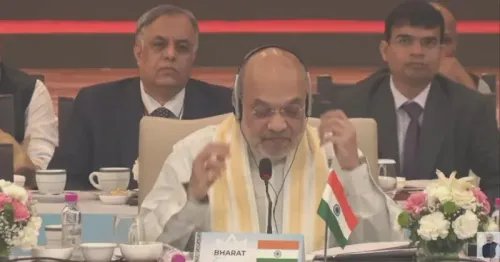
The BIMSTEC Home Ministers' Meeting, chaired by Shah, concluded with the adoption of the Delhi Declaration — described as a landmark outcome for regional security architecture. 'Chaired the First BIMSTEC Home Ministers' Meeting in New Delhi today, culminating in the adoption of the historic Delhi Declaration. Building on the vision of PM Narendra Modi Ji at the 6th BIMSTEC Summit, the Home Ministers' Meeting strengthens regional cooperation for lasting peace, security and prosperity across the Bay of Bengal. Together, we move towards a safer, stronger and better connected region,' Shah stated.
The meeting deliberated on a framework spanning five key areas: drug control; counter-terrorism and legal cooperation; repatriation of fugitives; cybersecurity and cybercrime investigation; and institutional cooperation and capacity building.
Nepal's Proposals and Regional Commitments
Addressing the ministerial gathering, Gurung thanked India for its hospitality and acknowledged solidarity from BIMSTEC member states following Nepal's recent disasters. He reaffirmed Nepal's commitment to regional cooperation against terrorism and transnational crime, stressing secure information-sharing, coordinated responses, and timely implementation of commitments.
Notably, Gurung proposed the creation of a BIMSTEC Regional Framework on Disaster Preparedness and Response, backed by a dedicated joint task force — a direct response to the devastation wrought by floods and landslides in the Himalayan nation. The Nepal Embassy's post on X noted that bilateral talks also centred on border management coordination and combating transnational crime.
What This Signals for India-Nepal Ties
This week's multi-level engagement — spanning the EAM, the Home Minister, and a multilateral forum — signals a deliberate effort by New Delhi to reinforce ties with Kathmandu at a time when Nepal's domestic politics remain in flux. The BIMSTEC platform, long seen as underleveraged, is now being used as a vehicle for bilateral confidence-building, not just multilateral declarations. The Delhi Declaration's adoption marks a concrete institutional step; its implementation across the five agreed frameworks will be the real measure of progress.
Point of View
All within a 24-hour window — reflect a calibrated Indian diplomatic play: use the BIMSTEC multilateral moment to reinforce the bilateral relationship with Nepal, which has seen periodic strains over boundary cartography and Chinese infrastructure overtures in recent years. The Delhi Declaration's five-point framework is substantive on paper, but BIMSTEC has a well-documented implementation deficit; past declarations have rarely translated into operational cooperation at the pace members announced. Nepal's push for a disaster-preparedness framework is smart regional branding — Kathmandu is leveraging its recent flood crisis to institutionalise an agenda it needs anyway. Whether India's security establishment follows through on the cybercrime and counter-terrorism commitments — areas where bilateral trust has sometimes lagged bilateral rhetoric — will determine whether this week's optics become durable policy.
NationPress
14 Oct 2026
Frequently Asked Questions
Why did EAM Jaishankar meet Nepal's Home Minister Sudhan Gurung?
Jaishankar met Gurung in New Delhi on 14 October 2026 to hold discussions on strengthening India-Nepal bilateral ties. The meeting came a day after Home Minister Amit Shah held a separate bilateral with Gurung on the sidelines of the first BIMSTEC Home Ministers' Meeting.
What is the BIMSTEC Delhi Declaration?
The Delhi Declaration is a joint outcome document adopted at the first BIMSTEC Home Ministers' Meeting, chaired by Amit Shah in New Delhi on 13 October 2026. It establishes a regional cooperation framework across five areas: drug control, counter-terrorism and legal cooperation, repatriation of fugitives, cybersecurity and cybercrime investigation, and institutional capacity building.
What did Nepal's Home Minister Gurung propose at the BIMSTEC meeting?
Gurung proposed a BIMSTEC Regional Framework on Disaster Preparedness and Response, supported by a dedicated joint task force. The proposal was driven by Nepal's recent experience with severe floods and landslides in the Himalayan nation.
What did India and Nepal discuss in their bilateral meetings this week?
Discussions covered strengthening bilateral security cooperation, border management coordination, combating transnational crime, and enhancing disaster preparedness. Nepal's Home Minister also expressed appreciation for India's timely assistance during recent floods and landslides, according to the Nepal Embassy in India.
How does this week's engagement fit into the broader India-Nepal relationship?
The meetings represent one of the most intensive rounds of India-Nepal diplomatic contact in recent months, with senior engagement at both the foreign affairs and home ministry levels. Both sides have emphasised sovereign equality, mutual respect, and practical cooperation as guiding principles going forward.