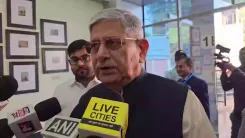
Jal Shakti Minister Paatil flags MoU with Skill Ministry
Synopsis
Union Jal Shakti Minister C. R. Paatil highlighted an MoU between the Jal Shakti and Skill Development ministries, signed in the presence of Jayant Chaudhary and V. Somanna, linking water-scheme manpower needs to Skill India training.
Key Takeaways
Union Jal Shakti Minister C.
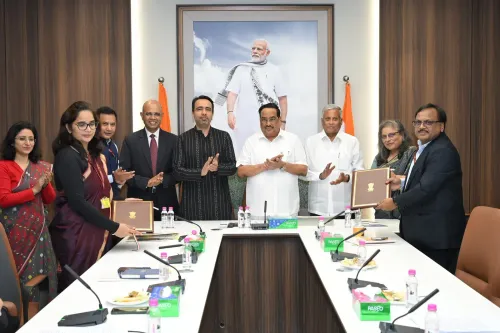
Paatil on 26 November 2026 shared a glimpse of an MoU between the Jal Shakti and Skill Development ministries.
Skill Development Minister of State (Independent Charge) Jayant Chaudhary and Minister of State for Jal Shakti and Railways V.
Somanna were present with senior officials.
The Jal Jeevan Mission (2019) created large demand for technicians to install and maintain rural tap connections.
The Skill India Mission (2015) is the Centre's main vocational training and certification framework.
Joint modules, targets and timelines for this specific MoU were not detailed in the post.
Union Jal Shakti Minister C. R. Paatil on Thursday, 26 November 2026, put a spotlight on a new inter-ministerial pact that ties India's water infrastructure push to its skill-training machinery. In New Delhi, he shared a glimpse of a Memorandum of Understanding signed between the Ministry of Jal Shakti and the Ministry of Skill Development and Entrepreneurship, with two Union ministers of state in the room. A village tap, the moment implied, now needs a trained hand as much as a pipeline.
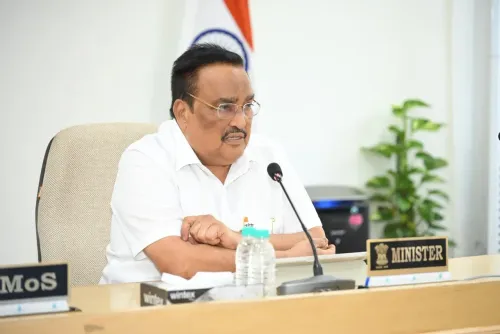
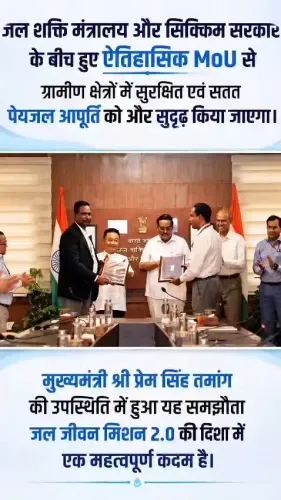
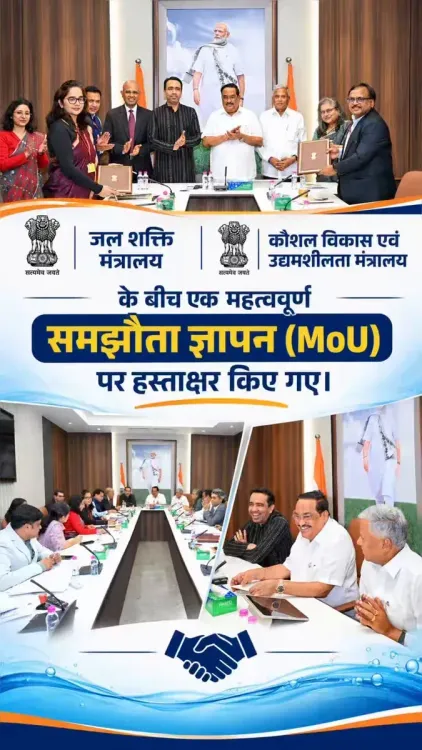
Paatil wrote that an important agreement — a mahatvapurna samjhauta gyaapan (important Memorandum of Understanding) — was signed in the presence of Skill Development and Entrepreneurship Minister of State (Independent Charge) Jayant Chaudhary, Minister of State for Jal Shakti and Railways V. Somanna, and senior officials of both ministries. He called the clip ek jhalak (a glimpse).
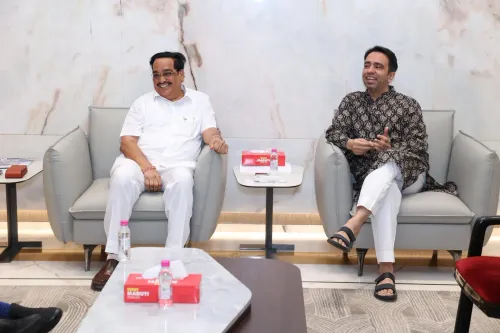
Chaudhary and Somanna at the signing table
Jayant Chaudhary holds independent charge of the skill ministry, the nodal arm for vocational training across sectors. V. Somanna is Minister of State for Jal Shakti and Railways, sitting at the junction of water resources and infrastructure oversight. Paatil, a senior BJP leader and former Gujarat BJP state president, heads the Union Jal Shakti Ministry, which handles water resources, river development, Ganga rejuvenation and drinking water schemes.
The video he posted captures that room: two ministries, their political leadership, and the paperwork meant to join their workstreams.
Jal Jeevan Mission's hunger for technicians
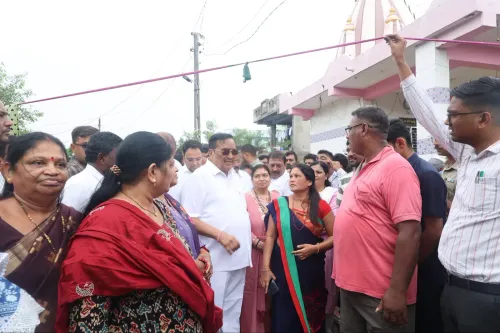
Rural water delivery is not only a pipes-and-pumps story. The Jal Jeevan Mission, announced in 2019, set out to provide functional household tap connections across rural India. That scale of laying, operating and maintaining village water systems has always implied a large skilled workforce — plumbers, pump operators, water-quality testers and local maintenance crews.
The Skill India Mission, launched in 2015, is the Centre's principal framework for vocational training and certification. Central ministries have increasingly signed inter-ministerial MoUs to align flagship infrastructure schemes with skill frameworks, a pattern meant to close gaps where projects outrun available technical manpower. Rural youth and the water-infrastructure workforce sit at the centre of that convergence.
What this MoU has not yet disclosed
The public post does not spell out joint training modules, financial commitments, target numbers or rollout timelines for this specific MoU. Those details will decide whether the signing becomes a pipeline of certified workers or remains a ceremonial handshake. Watch for them in parliamentary updates and the annual reports of both ministries.
A village tap is only as reliable as the person trained to keep it running. This MoU puts that person on the same file as the scheme that promised the tap.
Frequently Asked Questions
What MoU did C. R. Paatil share on X?
Union Jal Shakti Minister C. R. Paatil shared a glimpse of a Memorandum of Understanding signed between the Ministry of Jal Shakti and the Ministry of Skill Development and Entrepreneurship. He posted about the signing on 26 November 2026.
Who attended the Jal Shakti and Skill Development MoU signing?
Jayant Chaudhary, Minister of State (Independent Charge) for Skill Development and Entrepreneurship, and V. Somanna, Minister of State for Jal Shakti and Railways, attended along with senior officials of both ministries. C. R. Paatil highlighted the event in his post.
Why are Jal Shakti and the skill ministry signing an MoU?
Water schemes such as the Jal Jeevan Mission need large numbers of trained technicians for installation and maintenance. An MoU with the skill ministry is meant to align vocational training with that manpower demand.
What is the Skill India Mission?
The Skill India Mission, launched in 2015, is the Centre's main programme for vocational training and certification of youth across sectors, including infrastructure-related trades. It is run by the Ministry of Skill Development and Entrepreneurship.
Did Paatil's post give training targets or a timeline?
No. The post did not specify joint training modules, financial commitments, target numbers or a rollout calendar for this MoU. Those details would typically appear later in ministry reports or parliamentary updates.