Jal Shakti Ministry Signs Historic MoU with Sikkim
Synopsis
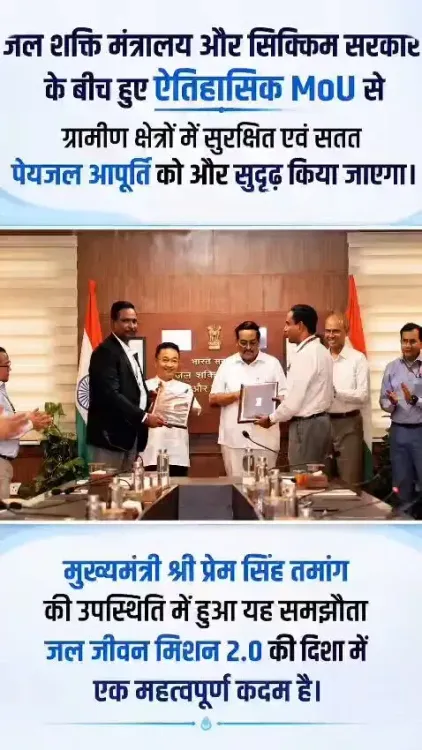
Union Jal Shakti Minister C. R. Paatil on June 10, 2026 shared a video of a historic MoU between the Jal Shakti Ministry and the Sikkim government, marking a significant step in central-state water governance cooperation for the Himalayan state.
Key Takeaways
Union Jal Shakti Minister C.
Paatil announced a historic MoU between the Jal Shakti Ministry and the Sikkim government on June 10, 2026 .
The agreement is aimed at strengthening water governance and infrastructure in Sikkim , a glacier-fed Himalayan state.
The MoU aligns with national programmes including the Jal Jeevan Mission (launched 2019 ), Atal Bhujal Yojana , and Namami Gange .
Full details of the MoU — including funding shares, project sites, and timelines — are yet to be officially released.
The agreement follows a broader pattern of the central government signing state-specific water MoUs with Himalayan states to address climate vulnerability and river management.
Primary beneficiaries include rural communities and state water departments in Sikkim , as well as downstream communities dependent on its river systems.
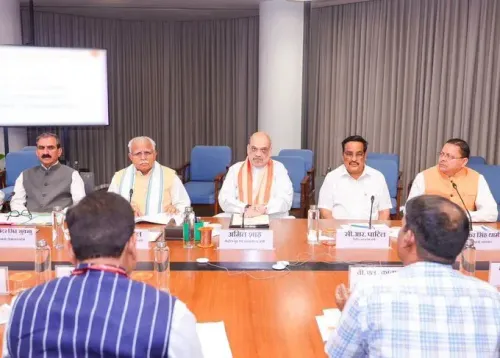
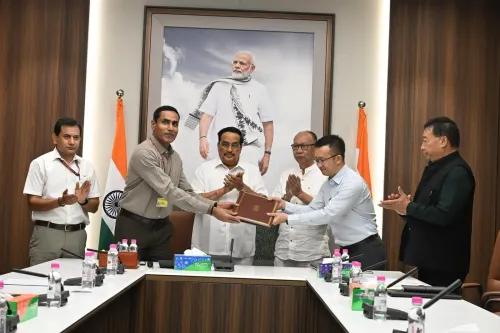
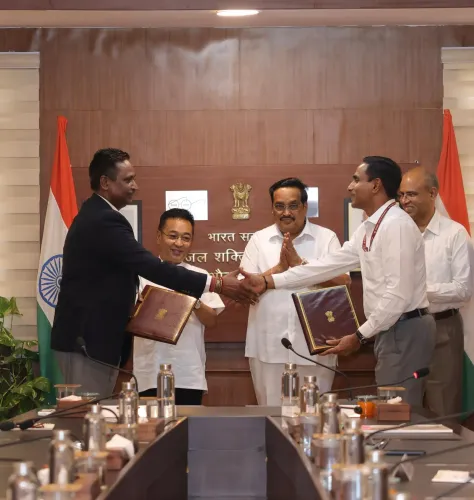
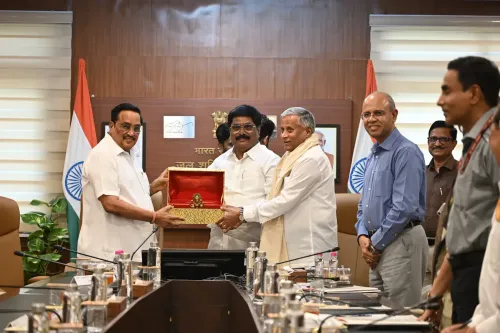
Union Jal Shakti Minister C. R. Paatil on Wednesday, June 10, 2026 shared a glimpse of what he described as a historic memorandum of understanding signed between the Jal Shakti Ministry and the Sikkim government, marking a significant step in central-state water governance cooperation.
Context
Minister Paatil posted on X with the caption 'जल शक्ति मंत्रालय और सिक्किम सरकार के बीच हुए ऐतिहासिक MoU की एक झलक' ('A glimpse of the historic MoU signed between the Jal Shakti Ministry and the Sikkim government'), accompanied by a video. The post signals a formal agreement between the Union Ministry of Jal Shakti and the Sikkim state government, though the full text and specific provisions of the MoU are yet to be made public.
Sikkim, a Himalayan state with an extensive network of glacier-fed rivers and ecologically sensitive biodiversity hotspots, has long been a focal point for integrated water management discussions at the national level. The state's unique geography makes it both a critical water source and a region highly vulnerable to climate-induced hydrological changes.
Policy Backdrop
The MoU fits within a broader pattern of the Jal Shakti Ministry forging state-specific partnerships to align local water infrastructure plans with national flagship programmes. Central initiatives such as the Jal Jeevan Mission, launched in 2019, have relied on such central-state cooperation frameworks to deliver functional household tap connections in rural areas, including in remote Himalayan communities.
The National Water Policy 2012 had earlier emphasised integrated river basin management and structured coordination between state and central authorities on water sharing and conservation. More recent extensions of programmes like Atal Bhujal Yojana and Namami Gange have similarly sought to bring Himalayan states into a coordinated national water governance architecture.
Central ministries have increasingly prioritised MoUs with Himalayan states to address the twin challenges of glacial river management and climate vulnerability, recognising that these regions are disproportionately affected by shifts in precipitation patterns and glacial retreat.
Stakeholders and Impact
The primary beneficiaries of such an agreement are expected to be Sikkim's residents, particularly rural communities dependent on river and spring water for drinking and agriculture. The state's water departments stand to gain technical and financial support from the central government to upgrade water supply and conservation infrastructure.
Broader stakeholders include environmental bodies monitoring glacial river health in the eastern Himalayas, as well as downstream communities in neighbouring states whose water security is linked to river flows originating in Sikkim. An MoU of this nature could also unlock central funding streams and technical assistance for the state.
What's Next
The full scope of the MoU — including funding allocations, project sites, implementation timelines, and the specific water schemes it covers — is expected to be detailed once the official agreement text is released through the Jal Shakti Ministry or tabled in state assembly proceedings. Observers will watch for announcements on whether the pact covers drinking water supply, river conservation, flood management, or a combination of these areas.
The formalisation of this agreement could set a template for similar MoUs with other Himalayan states, reinforcing the central government's strategy of building a state-by-state framework for water security in India's most ecologically sensitive mountain regions.
Point of View
The announcement reinforces his ministry's outreach beyond the Indo-Gangetic plains, where flagship schemes have historically been concentrated. The choice to publicise the agreement via a video post — before the MoU text is in the public domain — suggests the ministry is prioritising the political signal of central-state partnership as much as the administrative detail. The broader arc points to a Centre keen on demonstrating federal cooperation on water security as a governance achievement in the run-up to budget and assembly cycles.
NationPress
26 Oct 2026
Frequently Asked Questions
What is the Jal Shakti Ministry MoU with Sikkim about?
The MoU is a formal agreement between the Union Ministry of Jal Shakti and the Sikkim state government aimed at strengthening water governance, conservation, and infrastructure in the Himalayan state. Full details of the agreement are yet to be officially released.
Who signed the Jal Shakti-Sikkim MoU?
The MoU was signed between the Jal Shakti Ministry and the Sikkim government. The exact signatories and the full text of the agreement have not yet been made public.
What is the Jal Jeevan Mission and does it apply to Sikkim?
The Jal Jeevan Mission, launched in 2019, aims to provide functional household tap connections in rural India through central-state partnerships. Sikkim is among the states covered under this national programme.
Why is Sikkim important for water policy in India?
Sikkim is a Himalayan state with significant glacier-fed rivers and biodiversity hotspots. Its rivers are a critical water source for downstream regions, and the state is highly vulnerable to climate-induced hydrological changes, making it a priority for integrated water management.
What happens after the Jal Shakti-Sikkim MoU is signed?
Once the MoU text is officially released — likely through ministry communications or state assembly documents — details on funding allocations, project sites, and implementation timelines will become clear. Observers expect announcements covering drinking water supply, river conservation, or flood management.