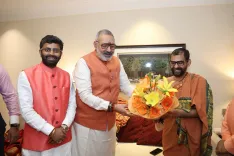
Jal Shakti Minister Paatil launches 'Peyjal Samman' drive under JJM
Synopsis
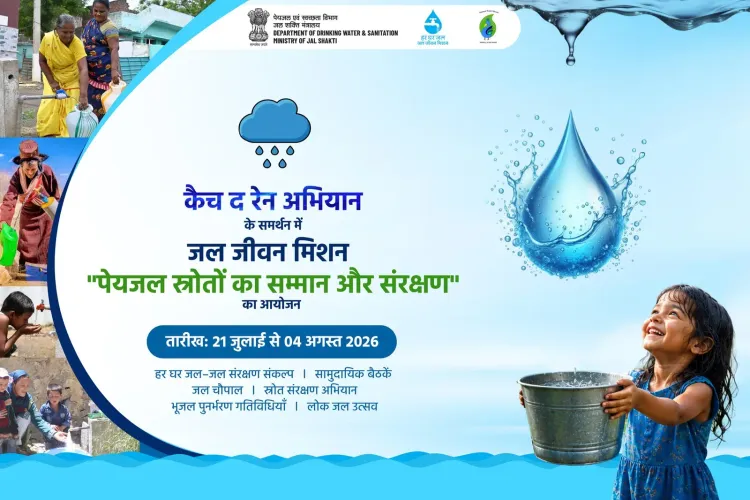
Union Jal Shakti Minister C. R. Paatil has announced 'Peyjal ka Samman aur Sanrakshan', a fortnight-long drive from 21 July to 4 August 2026 under the Jal Jeevan Mission, urging citizens to join gram panchayat-level events and a collective water conservation pledge to make water security a mass movement.
Key Takeaways
Union Jal Shakti Minister C.
Paatil announced the 'Peyjal ka Samman aur Sanrakshan' campaign on 21 July 2026 .
The drive runs from 21 July to 4 August 2026 under the Jal Jeevan Mission .
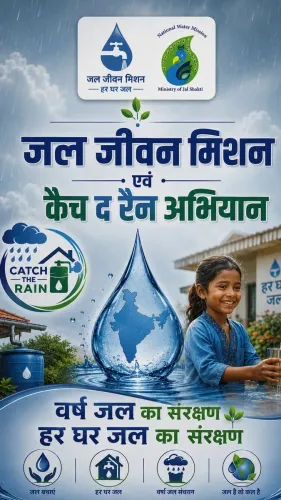
It is inspired by PM Narendra Modi 's 'Catch the Rain – Jal Sanchay, Jan Bhaagidari' initiative.
Key activities include Lok Jal Utsav and Jal Arpan Divas at the gram panchayat level.
Citizens are called to take the Har Ghar Jal: Jal Sanrakshan Shapath — a collective water conservation pledge.
The campaign focuses on rainwater harvesting, drinking water source protection, and groundwater recharge.
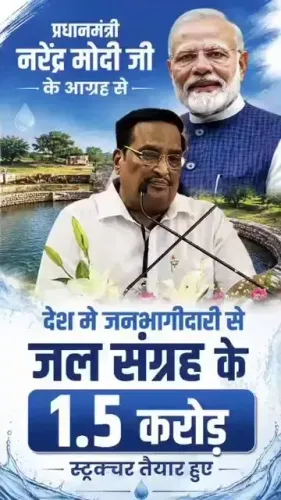
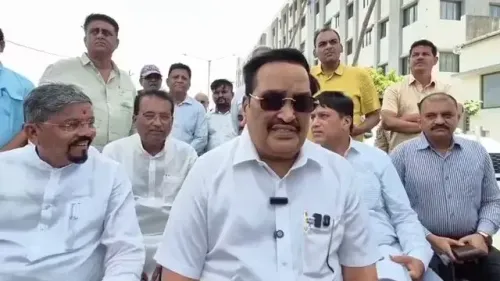
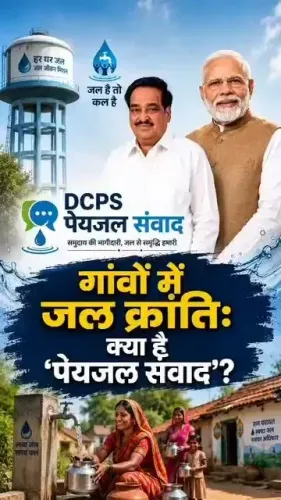
Union Jal Shakti Minister C. R. Paatil on Tuesday, 21 July 2026 announced the launch of 'Peyjal ka Samman aur Sanrakshan' — a fortnight-long water conservation drive running from 21 July to 4 August 2026 under the Jal Jeevan Mission, calling on citizens to turn water security into a mass movement.
Context
Paatil's post, shared on X, frames the campaign as a direct response to Prime Minister Narendra Modi's call under the 'Catch the Rain – Jal Sanchay, Jan Bhaagidari' (Catch the Rain – Water Conservation, People's Participation) initiative. The minister urged citizens to save every drop of rain, protect and revive drinking water sources, and promote groundwater recharge. He called on people to take the 'Har Ghar Jal: Jal Sanrakshan Shapath' — a collective pledge for water conservation at the household level.
The post specifically highlighted two community-level events: Lok Jal Utsav (People's Water Festival) and Jal Arpan Divas (Water Offering Day), to be observed at the gram panchayat level across the country during the campaign window.
Policy Backdrop
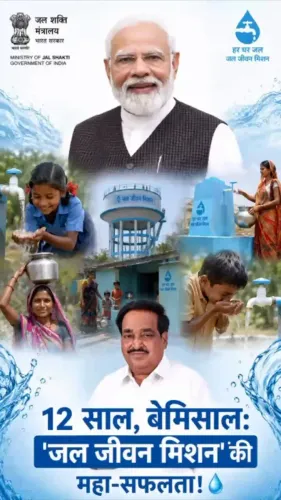
The Jal Jeevan Mission, launched in 2019, is the central government's flagship programme to provide functional household tap connections for drinking water to every rural household in India, with a core emphasis on long-term source sustainability. The Catch the Rain campaign, initiated in 2021 by the Ministry of Jal Shakti, has since become an annual nationwide drive to build rainwater harvesting structures and generate public awareness across states.
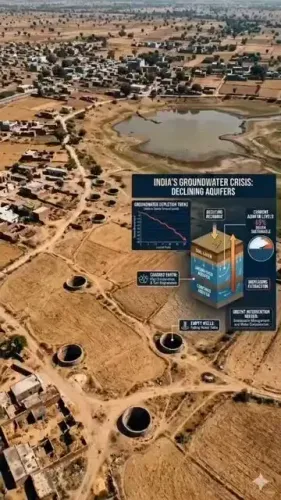
The current fortnight-long event sits at the intersection of both programmes, seeking to reinforce the infrastructure investments of Jal Jeevan Mission with community-driven conservation behaviour. The focus on aquifer recharge and protection of traditional water bodies addresses the broader challenge of groundwater depletion that threatens the long-term viability of piped water supply in rural India.
Stakeholders and Impact
Rural households and gram panchayats are the primary actors in this campaign, with village-level events designed to build local ownership over water sources. By anchoring activities at the panchayat level — through Jal Arpan Divas and Lok Jal Utsav — the Ministry aims to move water conservation from a government directive to a community-led practice.
The campaign's framing as a jan andolan (people's movement) mirrors the communication strategy used in earlier national programmes such as the Swachh Bharat Mission for sanitation, where mass behavioural change was pursued alongside physical infrastructure. The collective pledge mechanism — the Har Ghar Jal Jal Sanrakshan Shapath — is designed to create social accountability at the village level.
What's Next
The campaign runs through 4 August 2026, with village-level observance of Jal Arpan Divas and Lok Jal Utsav events expected to generate ground-level data on community participation and new rainwater harvesting structures created. State governments and district administrations will be key implementation partners in mobilising gram panchayats during this window.
The broader test for the initiative will be whether the fortnight of community engagement translates into sustained source protection practices — particularly groundwater recharge — that can underpin the Jal Jeevan Mission's promise of continuous, long-term piped water supply to every rural home in India.
Point of View
The Ministry of Jal Shakti is attempting to build community accountability for source sustainability, a challenge that infrastructure spending alone cannot solve. The collective pledge format and named community events such as Jal Arpan Divas are borrowed from the playbook of earlier jan andolan campaigns, signalling that the government views public ownership as essential to programme durability. Whether this fortnight of mobilisation produces measurable outcomes in groundwater recharge will determine how the campaign is assessed beyond its symbolic value.
NationPress
22 Jul 2026
Frequently Asked Questions
What is the 'Peyjal ka Samman aur Sanrakshan' campaign?
'Peyjal ka Samman aur Sanrakshan' is a fortnight-long water conservation drive under the Jal Jeevan Mission, running from 21 July to 4 August 2026, announced by Union Jal Shakti Minister C. R. Paatil. It focuses on rainwater harvesting, drinking water source protection, and groundwater recharge through community participation.
What is the Catch the Rain campaign in India?
The Catch the Rain campaign is an annual nationwide initiative launched in 2021 by the Ministry of Jal Shakti to promote rainwater harvesting structures, groundwater recharge, and public awareness about water conservation across Indian states.
What is Jal Arpan Divas?
Jal Arpan Divas, or Water Offering Day, is a community event to be observed at the gram panchayat level as part of the 'Peyjal ka Samman aur Sanrakshan' campaign, aimed at building local ownership over water sources and conservation practices.
What is the Har Ghar Jal Jal Sanrakshan Shapath?
It is a collective water conservation pledge — the 'Har Ghar Jal: Jal Sanrakshan Shapath' — that citizens are being urged to take as part of the current campaign to make water security a people's movement at the household level.
What is Jal Jeevan Mission and what is its goal?
Jal Jeevan Mission is a central government scheme launched in 2019 to provide functional household tap connections for drinking water to every rural household in India, with a strong emphasis on long-term source sustainability.