Pralhad Joshi Joins Fireside Chat on Rooftop Solar's Global Role
Synopsis
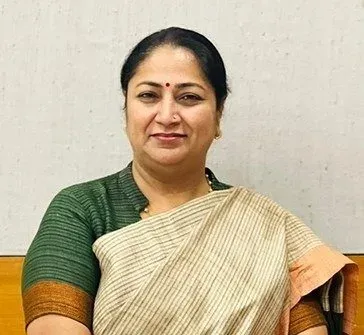
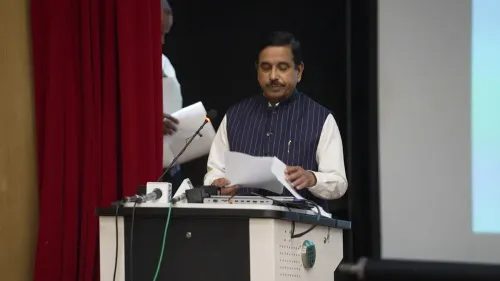
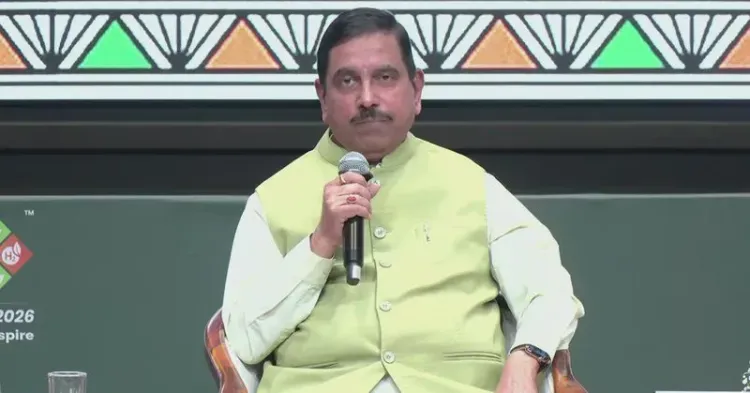
Union Minister Pralhad Joshi went live on 4 November 2026 in a fireside chat with Delhi CM Rekha Gupta and anchor Anjana Om Kashyap, spotlighting rooftop solar as a catalyst for India's global energy transition drive and its 500 GW clean-energy target by 2030.
Key Takeaways
Union Minister Pralhad Joshi hosted a live fireside chat on 4 November 2026 focused on rooftop solar and the global energy transition.
Delhi CM Rekha Gupta and senior anchor Anjana Om Kashyap joined the conversation, signalling high-level political and media attention to the issue.
India targets 500 GW of non-fossil energy capacity by 2030 and net-zero emissions by 2070 under Paris Agreement commitments.
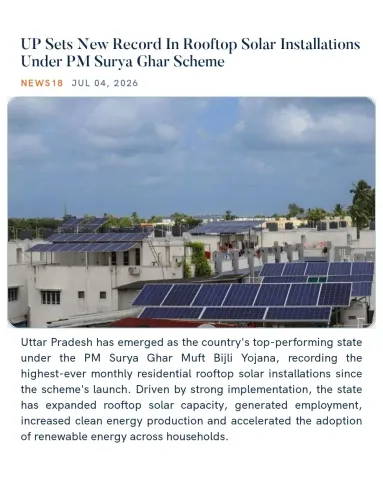
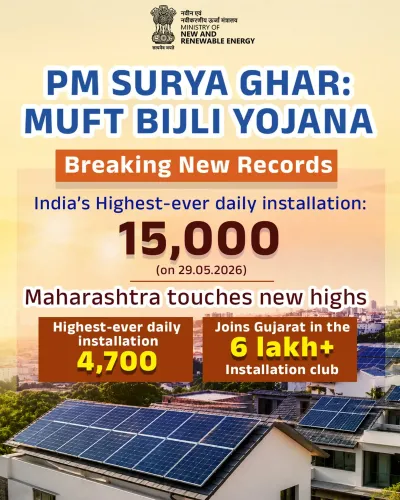
The PM Surya Ghar Muft Bijli Yojana offers subsidised rooftop solar installations and free electricity units to eligible urban households.
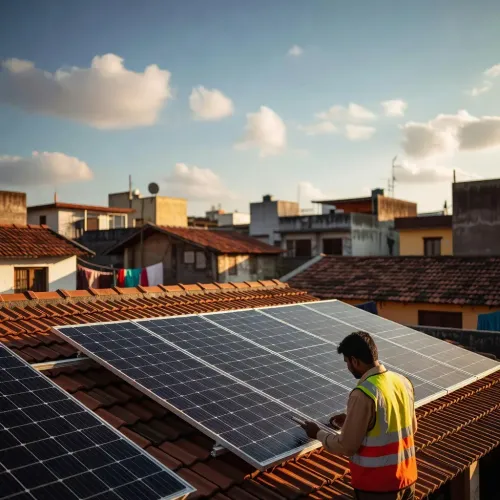
Rooftop solar is a key decentralised pillar of India's clean-energy strategy, reducing grid pressure and democratising electricity generation.
The Ministry of New and Renewable Energy coordinates central funding with state governments, making state-level uptake figures a critical watch point.
Rooftop solar — once a niche urban experiment — is now squarely at the centre of India's energy transition story, and Union Minister for New and Renewable Energy Pralhad Joshi made that point vivid on Wednesday, 4 November 2026, going live in a fireside chat that brought together Delhi Chief Minister Rekha Gupta and senior journalist Anjana Om Kashyap to dissect rooftop solar as a catalyst for the global energy shift.
The conversation India needs right now
The format — an intimate, on-camera fireside chat — was deliberate. With India racing toward its target of 500 GW of non-fossil energy capacity by 2030, the gap between grand central targets and ground-level household adoption remains the hardest mile to close. Putting a Union Minister, a state Chief Minister, and a nationally recognised anchor in one frame signals that the message is now aimed directly at the urban rooftop owner, not just the policy analyst.
The session focused on rooftop solar as a catalyst — a word the minister chose carefully — framing distributed solar not merely as a subsidy programme but as India's lever in the broader global energy transition narrative it carries into international climate forums.
PM Surya Ghar and the policy arc behind the chat
The policy scaffolding behind Wednesday's discussion is substantial. The Jawaharlal Nehru National Solar Mission, launched in 2010, first put distributed rooftop systems on the national agenda. The more recent PM Surya Ghar Muft Bijli Yojana sharpened that into a direct consumer offer — subsidised rooftop installations paired with free electricity units for eligible households — turning an infrastructure goal into a kitchen-table conversation for millions of urban families.
Joshi's Ministry of New and Renewable Energy anchors both the central funding architecture and the coordination with state governments, which is precisely where Delhi's role becomes critical. State-level uptake figures for rooftop schemes have varied sharply across India, and a Chief Minister's visible ownership of the agenda can move those numbers in ways that circular letters cannot.
India's 2070 net-zero pledge and the rooftop piece
India's commitment to net-zero by 2070 under the Paris Agreement rests on stacking every available clean-energy layer — utility-scale solar farms, offshore wind, green hydrogen, and critically, decentralised rooftop generation that reduces grid pressure at peak hours. Rooftop solar's democratising potential — generating power at the point of consumption — makes it both a climate tool and an equity story, one that resonates well beyond India's borders at multilateral energy forums.
The fireside format, streamed live on X, extends that conversation to a public audience that policy documents rarely reach, underscoring a broader shift in how India's energy ministry is communicating its ambitions — in real time, in plain language, and from the rooftop down.
If the uptake data follows the communication energy on display Wednesday, India's rooftop solar story may yet match the scale of its solar-park headlines.
Point of View
And the visible political ownership from both central and state leadership suggests the government is treating last-mile consumer adoption as the defining challenge of this phase. For Joshi, linking rooftop solar explicitly to the 'global energy transition' narrative is also a soft-power play — positioning India as an active driver, not merely a developing-world recipient, of the clean-energy story at multilateral forums. How Delhi's on-ground uptake numbers move in the months ahead will be the clearest test of whether this communication energy translates into installed capacity.
NationPress
4 Nov 2026
Frequently Asked Questions
What is the PM Surya Ghar Muft Bijli Yojana?
The PM Surya Ghar Muft Bijli Yojana is a central government scheme that subsidises rooftop solar panel installations for residential households and provides eligible families with free electricity units, aimed at accelerating distributed solar adoption across India.
What is India's rooftop solar target?
India is targeting 500 GW of total non-fossil energy capacity by 2030 , with rooftop solar forming a key decentralised component of that goal alongside large utility-scale solar and wind farms.
What did Pralhad Joshi discuss in the rooftop solar fireside chat?
Union Minister Pralhad Joshi joined Delhi CM Rekha Gupta and anchor Anjana Om Kashyap on 4 November 2026 to discuss rooftop solar as a catalyst for the global energy transition, covering scheme implementation and India's broader clean-energy commitments.
What is India's net-zero target year?
India has committed to achieving net-zero carbon emissions by 2070 under its Paris Agreement pledges, with the 500 GW non-fossil energy target by 2030 serving as a major milestone on that path.
Why is rooftop solar important for India's energy transition?
Rooftop solar generates electricity at the point of consumption, reducing grid pressure at peak hours, lowering household electricity bills, and enabling decentralised clean energy access — making it both a climate tool and an energy-equity measure for urban and semi-urban families.