Pralhad Joshi marks 6 years of PM SVANidhi scheme
Synopsis
Union Consumer Affairs Minister Pralhad Joshi marked six years of PM SVANidhi on 1 June 2026, highlighting nearly ₹800 crore distributed through cashback incentives and interest subsidies to street vendors across India as part of a financial inclusion and digital empowerment push.
Key Takeaways
PM SVANidhi completed six years on 1 June 2026 , having launched on 1 June 2020 under the Atmanirbhar Bharat package.
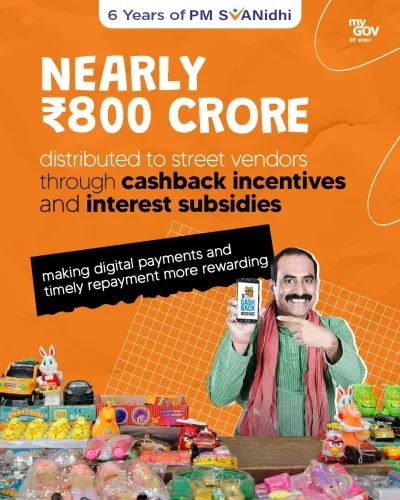
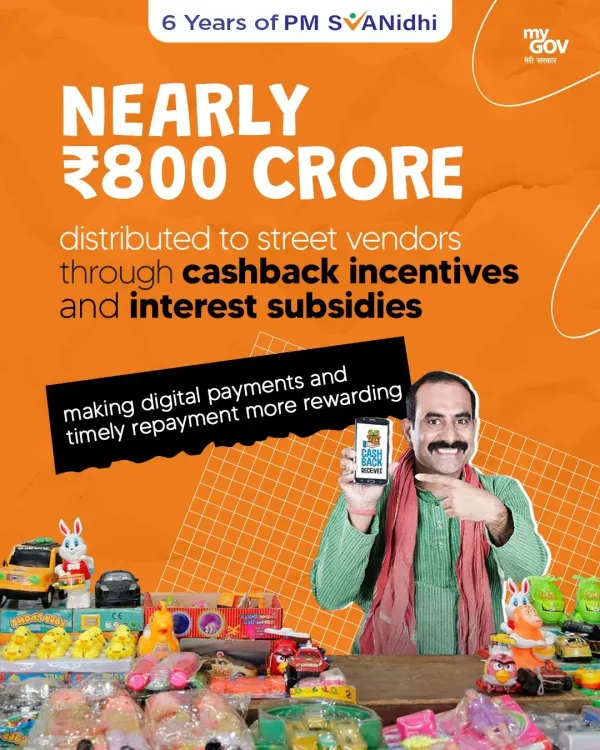
Nearly ₹800 crore has been distributed through cashback incentives and interest subsidies, according to Minister Pralhad Joshi's post.
The scheme offers collateral-free working capital loans of up to ₹50,000 to street vendors, with higher credit limits for timely repayers.
The Ministry of Housing and Urban Affairs is the nodal ministry, working with urban local bodies, banks, and fintech partners for delivery.
The scheme is designed to drive digital payment adoption among street vendors by linking cashback rewards to digital transactions.
The anniversary comes ahead of a potential Union Budget cycle where scheme expansion or enhanced allocations may be considered.
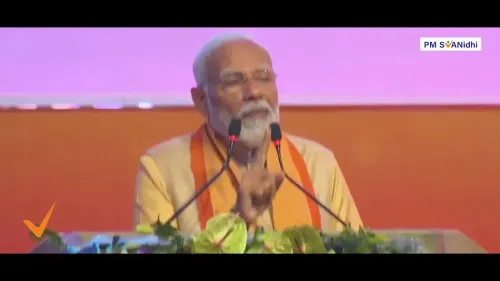
Union Consumer Affairs Minister Pralhad Joshi on Monday, 1 June 2026 marked the sixth anniversary of the Pradhan Mantri Street Vendor's AtmaNirbhar Nidhi (PM SVANidhi) scheme, highlighting its role in advancing financial inclusion and digital empowerment for street vendors across India. The minister noted that nearly ₹800 crore has been distributed through cashback incentives and interest subsidies since the scheme's launch.
Context
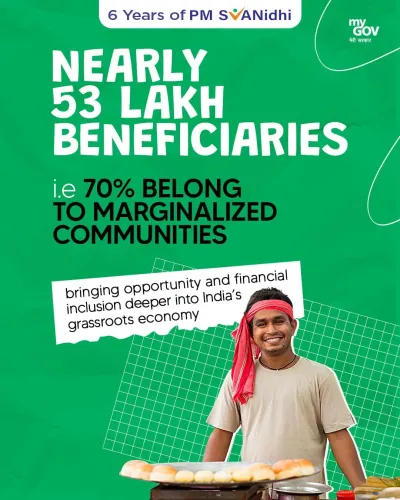
PM SVANidhi was launched on 1 June 2020 as part of the Atmanirbhar Bharat package, designed to extend collateral-free working capital loans of up to ₹50,000 to street vendors whose livelihoods had been severely disrupted by COVID-19 lockdowns. The scheme is administered by the Ministry of Housing and Urban Affairs, which coordinates with urban local bodies for vendor identification and credit delivery. Joshi's post, shared on the scheme's sixth anniversary, underscores the government's framing of the programme as a milestone in grassroots economic recovery.
In his post, the minister wrote: 'Nearly ₹800 crore has been distributed through cashback incentives and interest subsidies, making digital payments and timely loan repayment more rewarding.' He described the scheme as 'a step towards greater financial inclusion, digital empowerment and sustainable livelihoods.'
Policy Backdrop
PM SVANidhi sits within a broader architecture of post-2020 interventions aimed at bringing India's large informal workforce into the formal financial system. It builds on earlier platforms such as Jan Dhan accounts and Pradhan Mantri Mudra Yojana (PMMY) loans, adding cashback rewards and interest subvention to incentivise repayment discipline and encourage adoption of digital payments. The scheme's delivery model relies on partnerships between state urban bodies, scheduled commercial banks, microfinance institutions, and fintech players for last-mile reach.
The cashback and interest subsidy components are specifically designed to nudge beneficiaries toward digital transactions, aligning the scheme with the government's broader push for a less-cash economy. Vendors who repay loans on time become eligible for enhanced credit limits in subsequent loan cycles, creating a structured pathway toward larger formal credit access.
Stakeholders and Impact
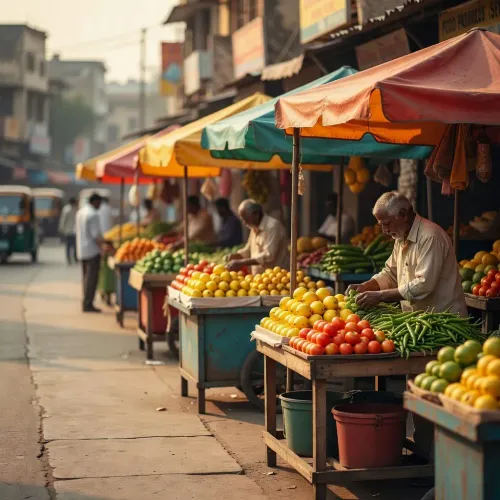
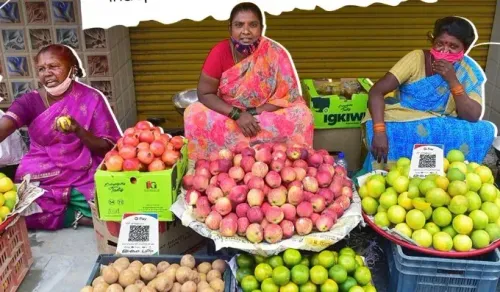
The primary beneficiaries are street vendors — a segment of the urban informal economy estimated to number in the tens of millions across Indian cities and towns. Urban local bodies (ULBs) play a critical role as frontline implementation agencies, responsible for issuing letters of recommendation and maintaining vendor registers. Banks and fintech partners handle disbursement and digital onboarding.
The scheme's emphasis on digital payments has a dual effect: it provides vendors with a verifiable transaction history that can support future credit applications, while also expanding the reach of digital payment infrastructure into street-level commerce. Interest subsidies reduce the effective cost of borrowing, making formal credit competitive against informal moneylenders who typically charge significantly higher rates.
What's Next
Parliamentary discussions on scheme utilisation data and potential expansion are expected as the government approaches the next Union Budget cycle. Observers will watch whether PM SVANidhi is integrated into forthcoming urban development mission revisions or given enhanced allocations, particularly as the scheme's sixth year coincides with renewed policy focus on urban informal livelihoods. Any upward revision of the loan ceiling or extension of the cashback framework would signal deepened commitment to the programme's financial inclusion mandate.
Point of View
Using incentive design rather than mandates to drive behavioural change. By foregrounding the ₹800 crore cashback and subsidy figure, the government is building a quantitative narrative of welfare delivery to an often-overlooked urban constituency. The anniversary messaging also positions PM SVANidhi alongside Jan Dhan and Mudra as a pillar of the BJP's grassroots economic inclusion record.
NationPress
19 Sept 2026
Frequently Asked Questions
What is PM SVANidhi scheme?
PM SVANidhi, or Pradhan Mantri Street Vendor's AtmaNirbhar Nidhi, is a central government scheme launched on 1 June 2020 that provides collateral-free working capital loans of up to ₹50,000 to street vendors, along with cashback incentives and interest subsidies to encourage digital payments and timely repayment.
How much money has been distributed under PM SVANidhi?
According to Minister Pralhad Joshi's post on the scheme's sixth anniversary, nearly ₹800 crore has been distributed through cashback incentives and interest subsidies under PM SVANidhi.
Who implements PM SVANidhi?
The scheme is implemented by the Ministry of Housing and Urban Affairs, which works with urban local bodies for vendor identification and with banks and fintech partners for loan disbursement and digital onboarding.
Why was PM SVANidhi launched?
PM SVANidhi was launched on 1 June 2020 as part of the Atmanirbhar Bharat package to provide credit support to street vendors whose livelihoods were severely disrupted by COVID-19 lockdowns.
What are the benefits of PM SVANidhi for street vendors?
Street vendors can access collateral-free loans starting from smaller amounts up to ₹50,000, earn cashback on digital transactions, receive interest subsidies that reduce borrowing costs, and qualify for higher loan limits in subsequent cycles by repaying on time.