Pralhad Joshi Hails Zero CRPF Deaths in 12 Months vs Naxals
Synopsis
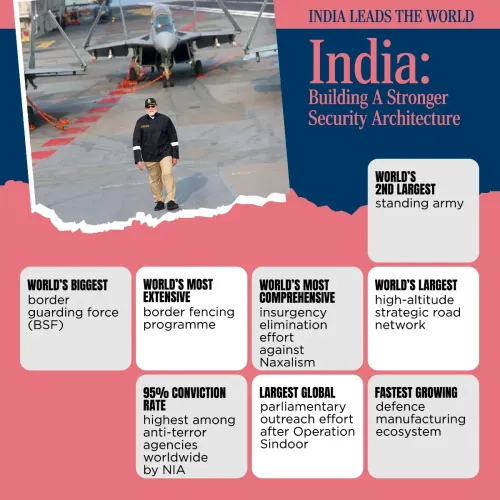
Union Minister Pralhad Joshi says India has achieved 12 consecutive months without a single CRPF fatality against left-wing extremists — the first such streak in 47 years — crediting decisive action by Prime Minister Modi and Home Minister Amit Shah over the earlier era of prolonged negotiations.
Key Takeaways
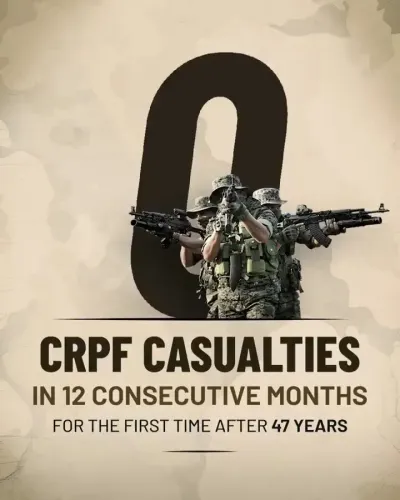
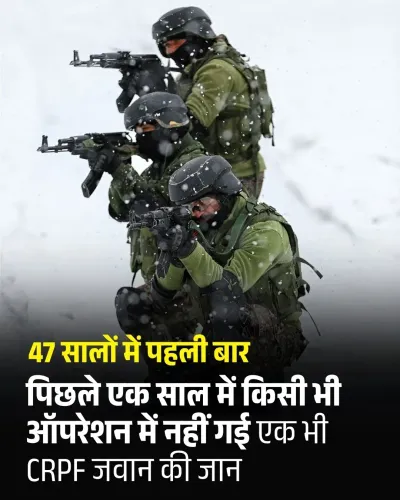
For the first time in 47 years , India has recorded zero CRPF personnel fatalities over 12 consecutive months in anti-Naxal operations, according to Union Minister Pralhad Joshi .
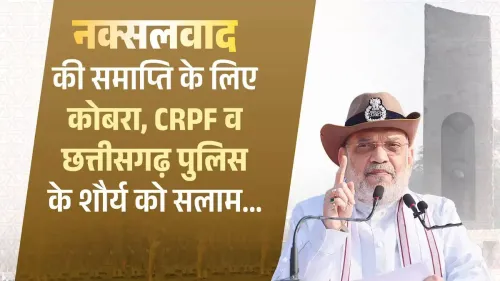
Joshi credited the turnaround to PM Narendra Modi and Home Minister Amit Shah , contrasting their kinetic approach with earlier governments' reliance on peace talks.
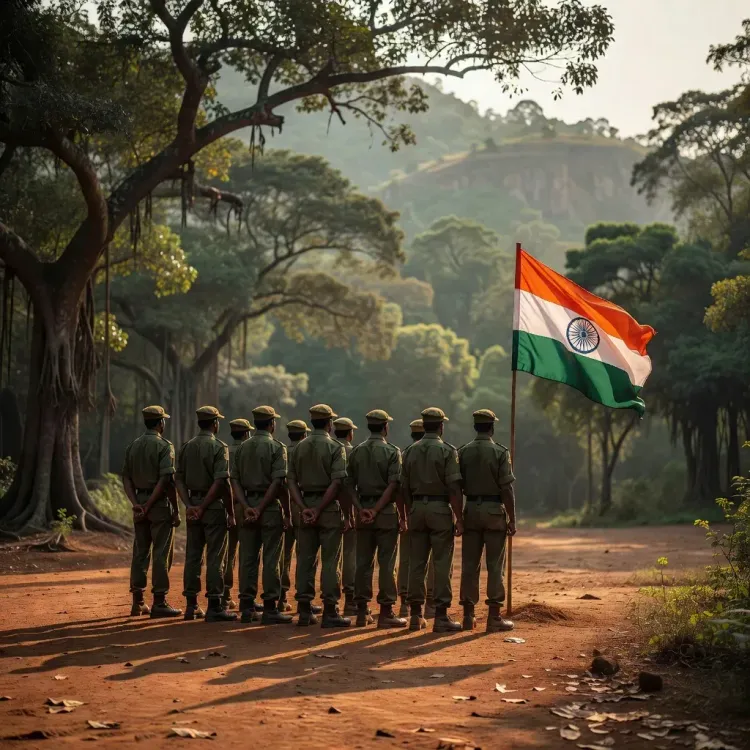
The CRPF is the primary force in operations across the 'Red Corridor' states of Chhattisgarh , Jharkhand , and Odisha .
Official data over the past decade has tracked a progressive decline in left-wing extremism incidents and fatalities across core affected districts.
The Ministry of Home Affairs' next annual LWE report and parliamentary debates will be key forums for independent verification of the milestone.
For the first time in 47 years, India has gone 12 consecutive months without a single CRPF personnel fatality in the fight against left-wing extremism — a milestone that Union Minister Pralhad Joshi marked on Thursday, November 5, 2026, with a pointed tribute to the forces and the political leadership steering the campaign.
Posting in Kannada on X, Joshi called it 'ರಾಷ್ಟ್ರೀಯ ಭದ್ರತೆಯಲ್ಲಿ ಒಂದು ಐತಿಹಾಸಿಕ ಮೈಲಿಗಲ್ಲು' — 'a historic milestone in national security' — and directly credited the leadership of Prime Minister Narendra Modi and Union Home Minister Amit Shah for the turnaround. The claim, if borne out by official records, would represent the longest unbroken stretch of zero CRPF fatalities in the Naxal theatre since the insurgency took organised shape in the late 1970s.
From Negotiating Tables to Maoist Strongholds
Joshi's post draws a sharp contrast with an earlier era. Through much of the 2000s, successive governments alternated between security operations and intermittent peace talks with Maoist factions — a cycle critics argued gave armed groups breathing room to regroup. The current government, he says, broke that cycle: 'ಅಂತ್ಯವಿಲ್ಲದ ಸಂಧಾನಗಳ ಪರಂಪರೆಯಿಂದ ನಿರ್ಣಾಯಕ ಕ್ರಮಗಳ ಯುಗಕ್ಕೆ' — 'from an era of endless negotiations to an era of decisive action.'
The strategic shift has involved taking the fight directly into Maoist strongholds across Chhattisgarh, Jharkhand, and Odisha, the core districts of what officials call the 'Red Corridor.' Official data over the past decade has tracked a progressive reduction in left-wing extremism incidents and fatalities — both among security forces and civilians — in those zones, with the CRPF as the primary operational force on the ground.
What Zero Casualties Actually Signals
The significance of twelve unbroken months is not merely symbolic. For the CRPF — a force that has repeatedly absorbed devastating ambushes in jungle terrain, including the killing of 76 personnel in a single attack in Dantewada, Chhattisgarh in 2010 — a full year without a fatality in this theatre marks a structural change in operational conditions, not a quiet period.
It suggests a combination of improved intelligence networks, faster aerial mobility, hardened patrol protocols, and sustained pressure that has degraded Maoist capacity to mount large-scale ambushes. Residents of Naxal-affected districts — long caught between insurgent taxation and security-force operations — stand to gain the most from a durable rollback of armed activity in their areas.
The Political Stakes of Claiming Victory
Joshi's framing is explicitly political as well as operational. By anchoring the milestone to Modi and Shah by name, the post positions the achievement as a deliverable of the BJP-led government's internal security doctrine — one that will feature prominently in campaign narratives heading into future state elections across the affected belt. The Ministry of Home Affairs' next annual report on left-wing extremism statistics, as well as forthcoming parliamentary questions on CRPF deployments, will be the forums where the data behind this claim faces independent scrutiny.
Joshi closed with a declaration that cuts to the heart of what any government owes its security forces: 'Today, our borders are more secure, our forces are protected, and our nation stands strong.' Whether that assessment endures will depend on what the next twelve months look like on the ground.
Point of View
If verified in official records, would be the most concrete metric yet of the Modi government's declared shift from negotiation-based to kinetic-first counter-insurgency. It lands at a moment when the BJP is keen to consolidate its internal-security narrative ahead of assembly elections in states that overlap with the Naxal-affected belt. The framing by a senior Karnataka minister — in Kannada, for a home-state audience — also reflects the party's effort to translate central government security achievements into regional electoral capital. Independent scrutiny through MHA data and parliamentary questions will determine whether the milestone reflects a genuine, durable degradation of Maoist capability or a temporary operational lull.
NationPress
6 Nov 2026
Frequently Asked Questions
What is the significance of zero CRPF fatalities in Naxal operations for 12 months?
It would be the first time in 47 years that India has gone a full year without losing a CRPF personnel to left-wing extremist violence, suggesting a major shift in operational conditions in the 'Red Corridor' states of Chhattisgarh, Jharkhand and Odisha.
Who is responsible for anti-Naxal operations in India?
The CRPF (Central Reserve Police Force) is the primary paramilitary force deployed in anti-Naxal operations, under the overall direction of the Union Home Ministry headed by Amit Shah.
What was India's earlier approach to Naxalism before the Modi government?
Previous administrations in the 2000s periodically pursued peace negotiations with Maoist factions alongside security operations — an approach the current government has largely abandoned in favour of sustained kinetic pressure on insurgent strongholds.
Which states are most affected by left-wing extremism in India?
The core affected states are Chhattisgarh, Jharkhand and Odisha, which together form the heart of what security officials call the 'Red Corridor,' though LWE activity has historically touched several other central and eastern Indian states.
Where can I find official data on CRPF fatalities and Naxal incidents?
The Ministry of Home Affairs publishes an annual report on left-wing extremism that includes district-level data on incidents, fatalities among security forces, and civilian casualties — the primary official source for tracking these trends.