Kejriwal disputes GOI claim, cites 1 bn litre US ethanol import
Synopsis
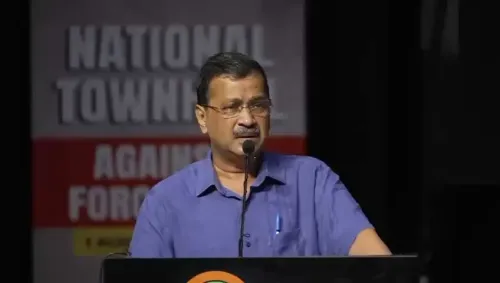
AAP convenor Arvind Kejriwal on 7 August 2026 publicly disputed an official government claim, stating India imported 1 billion litres of ethanol from the United States last year — a figure that, if confirmed, would challenge the government's domestic blending self-reliance narrative.
Key Takeaways
Arvind Kejriwal posted on 7 August 2026 calling an official statement 'false' and citing a 1 billion litre US ethanol import figure.
India's Ethanol Blending Programme , active since 2003 and expanded under the 2018 National Policy on Biofuels , targets 20% ethanol blending with petrol.
Domestic supply shortfalls have periodically required limited ethanol imports from the United States , a leading global producer.
The Ministry of Petroleum and Natural Gas publishes official blending-achievement data that would either corroborate or contradict the import figure cited.
The dispute touches India-US agricultural trade dynamics at a time of heightened bilateral scrutiny on trade balances.
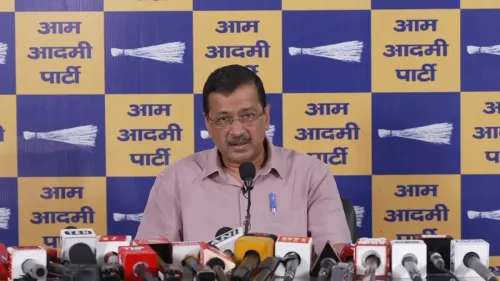
A pointed rebuttal landed on Friday, 7 August 2026, when AAP convenor Arvind Kejriwal directly challenged what he called a false official position, asserting that the Government of India imported 1 billion litres of ethanol from the United States in the previous year — a figure that cuts against the grain of India's stated self-sufficiency drive under its Ethanol Blending Programme.
The number Kejriwal is putting on the table
Kejriwal's post is unambiguous: 'This is false. GOI imported 1 billion litres of ethanol from US last year.' The claim is directed at an unspecified statement — presumably an official assertion that India has not relied on US ethanol imports or has met its blending targets domestically. At 1 billion litres, the figure, if accurate, would represent a substantial volume against India's total annual ethanol blending consumption of roughly 5–6 billion litres in recent programme years.
India's ethanol blending push — and the import question
India's National Policy on Biofuels (2018) set an ambitious road map: blend 20 per cent ethanol with petrol by 2025, reduce crude import dependence, and channel demand toward domestic sugarcane farmers and grain producers. Oil marketing companies are the primary procurement arm, sourcing ethanol from distilleries tied to the sugar sector.
But domestic supply has periodically fallen short of blending targets — a gap that has, on occasion, drawn in imports from the United States, one of the world's largest ethanol producers. Whether and how much was imported in the year Kejriwal references is a figure that official blending-achievement data from the Ministry of Petroleum and Natural Gas would need to confirm or contest.
Why the dispute matters beyond the number
The political stakes are clear. If India imported large volumes of US ethanol while simultaneously claiming progress on domestic blending self-reliance, it raises questions about the programme's actual performance — and about the trade arithmetic with Washington at a moment when India-US agricultural trade is under close watch. Domestic ethanol producers and sugarcane farmers, the intended beneficiaries of the blending scheme, would have a direct interest in how much market share flowed to American exporters instead.
Kejriwal's intervention frames the import figure as a contradiction of official claims — a line of attack that opposition parties have increasingly used to interrogate the gap between policy targets and ground reality on fuel and energy.
The government has not publicly responded to the specific figure as of this report. Official blending data and any revision to import duty or procurement rules will be the next concrete markers to watch.
Point of View
Verifiable number to expose a gap between policy rhetoric and procurement reality. The ethanol blending programme has been a flagship energy-security narrative for the central government; any large-scale import from the US dents that story structurally, not just politically. The broader arc here is the tension between India's ambitious domestic biofuel targets and the supply-chain constraints of a sugarcane-dependent ethanol economy, a tension that has quietly persisted across administrations. Until official blending data is cross-checked against customs import figures, the claim sits in a contested space — but Kejriwal has ensured that space is now public.
NationPress
7 Aug 2026
Frequently Asked Questions
Did India import ethanol from the United States?
AAP convenor Arvind Kejriwal has publicly claimed that the Government of India imported 1 billion litres of ethanol from the United States last year. This specific figure has not been independently confirmed from official government data available at the time of this report.
What is India's Ethanol Blending Programme?
India's Ethanol Blending Programme , launched in 2003 and expanded under the National Policy on Biofuels (2018) , mandates mixing ethanol with petrol to reduce crude oil imports and support domestic sugarcane farmers, with a target of 20% blending by 2025.
Why would India import ethanol if it has a domestic blending programme?
Domestic ethanol supply — largely sourced from sugarcane distilleries — has periodically fallen short of blending targets, creating a gap that has occasionally been filled by imports from major producers like the United States .
What was Kejriwal responding to in his post?
Kejriwal described a prior statement as 'false' before citing the import figure, suggesting he was rebutting an official or public claim about India's ethanol self-reliance or import levels. The specific statement he was countering was not quoted in his post.
Where can official India ethanol blending data be verified?
The Ministry of Petroleum and Natural Gas periodically releases ethanol blending achievement reports and procurement data through oil marketing companies, which would be the primary source for verifying annual import and blending figures.