Kejriwal Questions E20 Automaker Liability at Press Conference
Synopsis
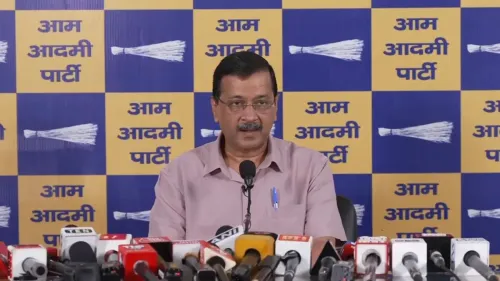
AAP convenor Arvind Kejriwal held a live press conference on 8 July 2026 questioning whether automobile manufacturers will compensate vehicle owners for damage caused by India's E20 ethanol-blended petrol, spotlighting a growing consumer liability gap in the country's accelerated biofuel transition.
Key Takeaways
Arvind Kejriwal held a live press conference on 8 July 2026 publicly questioning automaker liability for E20-related vehicle damage.
India's E20 programme mandates 20% ethanol blending in petrol, with rollout targets accelerated from 2023 onward under the National Policy on Biofuels 2018 .
Older vehicles not calibrated for high-ethanol fuel have reported corrosion and mileage issues, raising consumer protection concerns.
Neither major automobile manufacturers nor the Ministry of Petroleum has announced a formal compensation or warranty-extension mechanism for E20-related damage.
SIAM and OEM responses to Kejriwal's challenge will be closely watched as a test of industry accountability in the biofuel transition.
The episode could trigger parliamentary scrutiny and consumer court action, shaping the regulatory framework for India's ongoing ethanol blending push.
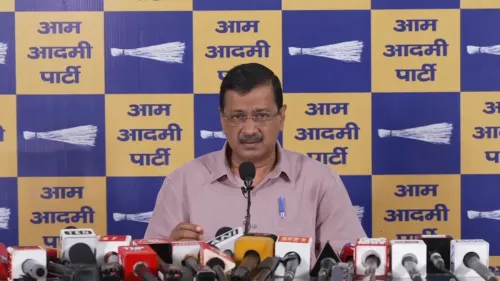
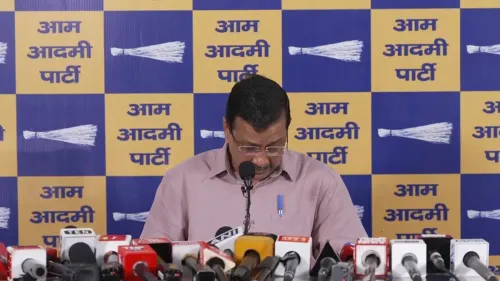
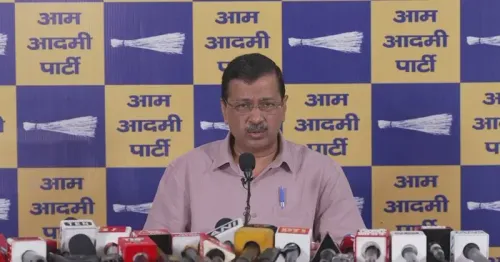
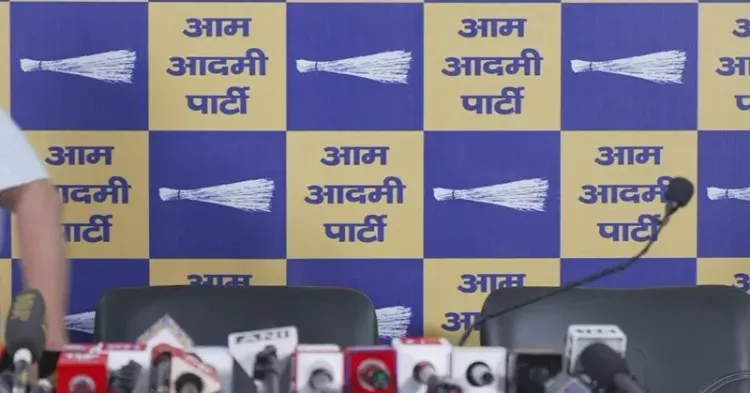
AAP convenor Arvind Kejriwal held a live press conference on Wednesday, 8 July 2026, publicly demanding to know whether automobile manufacturers will compensate vehicle owners for damage allegedly caused by E20 ethanol-blended petrol, raising sharp questions about liability and consumer protection in India's accelerating biofuel transition.
Context
Kejriwal's press conference centred on a pointed question directed at automakers and policymakers: 'Will automakers compensate for damage caused by E20?' The live broadcast signals that AAP is building a public campaign around the consumer fallout of the government's ethanol blending programme, positioning the party as a watchdog on implementation safeguards.
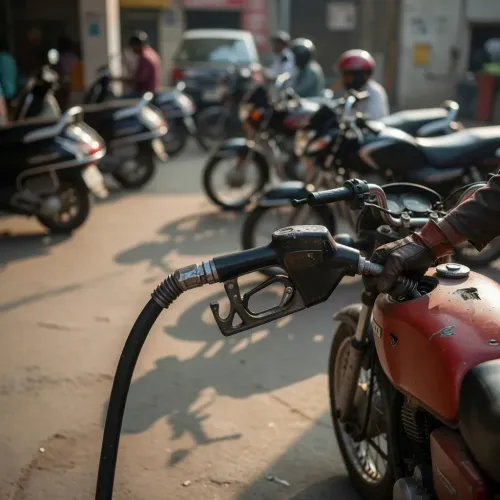
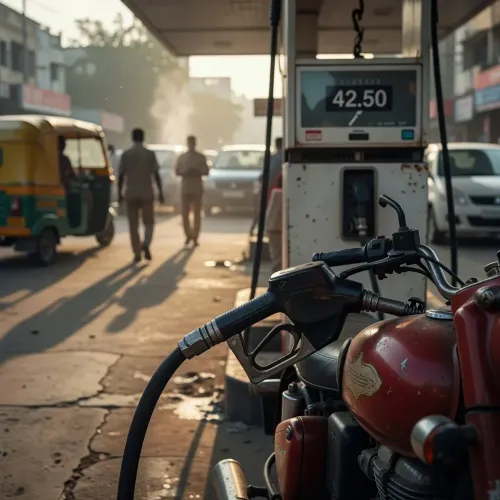
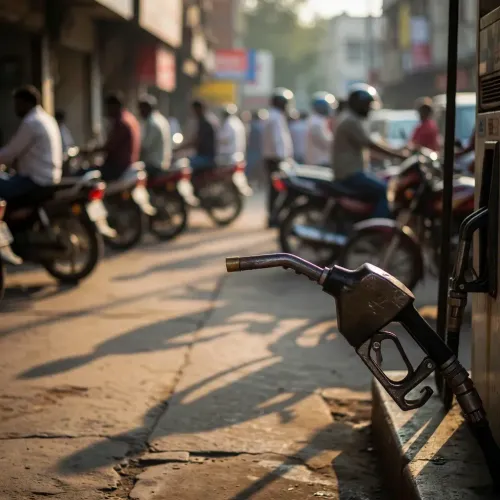
E20 fuel — petrol blended with 20% ethanol — is now widely available at pumps across India following an accelerated rollout that began from 2023 onward. The transition has been welcomed by sugar and grain farmers who supply ethanol feedstock, but has sparked concern among owners of older vehicles not originally calibrated for high-ethanol blends.
Policy Backdrop
India's National Policy on Biofuels 2018 set an indicative target of 20% ethanol blending by 2030. The central government subsequently advanced the timeline, mandating E20 rollout targets from 2023 onward as part of a broader push to reduce crude oil imports and support agricultural incomes.
The policy has been a flagship initiative of successive central governments, framed as both an energy-security and farm-income measure. However, the speed of the rollout has outpaced clear guidance on vehicle compatibility, warranty coverage, and redress mechanisms for consumers who report engine corrosion, reduced mileage, or other fuel-related damage.
Stakeholders and Impact
Vehicle owners — particularly those driving older models manufactured before E20 compatibility standards were widely adopted — sit at the centre of the controversy. Reports of corrosion in fuel systems and mileage degradation have circulated, though verified aggregate damage statistics are not yet publicly available from official sources.
Automobile manufacturers, both Indian and global, face the core question Kejriwal is pressing: do their warranties cover damage attributable to E20 fuel, and if not, who bears the cost? The Society of Indian Automobile Manufacturers (SIAM) and major original equipment manufacturers (OEMs) have not yet issued a unified public position on compensation frameworks. The Ministry of Petroleum and Natural Gas has similarly not announced a formal consumer redress mechanism specific to E20-related claims.
What's Next
The press conference is likely to intensify pressure on both the automobile industry and the central government to clarify liability. Watchers will look for formal responses from SIAM, individual OEMs, and the Ministry of Petroleum on whether compensation mechanisms or warranty extensions will be offered to affected vehicle owners.
If the government or industry does not respond with a clear framework, AAP is likely to escalate the issue into a sustained political campaign, particularly in states where older vehicle populations are large and E20 availability has expanded rapidly. The debate could also prompt parliamentary questions and consumer court filings, shaping the regulatory future of India's biofuel rollout.
Point of View
AAP sidesteps being cast as anti-farmer or anti-energy-security, while still landing a pointed blow against the ruling dispensation's flagship biofuel programme. The absence of any formal compensation mechanism from either the automobile industry or the Ministry of Petroleum hands the opposition a durable grievance that is tangible, household-level, and difficult to dismiss. If OEMs and the government do not respond swiftly with concrete redress, this issue has the potential to become a sustained electoral liability in states with large populations of older vehicles.
NationPress
8 Jul 2026
Frequently Asked Questions
What is E20 fuel and why is it controversial?
E20 is petrol blended with 20% ethanol , rolled out under India's National Policy on Biofuels 2018 to cut crude oil imports and support farmers. It is controversial because older vehicles not designed for high-ethanol blends have reported engine corrosion and reduced mileage, raising questions about who bears the cost of that damage.
What did Kejriwal say about E20 at his press conference?
Arvind Kejriwal held a live press conference on 8 July 2026 and asked whether automobile manufacturers will compensate vehicle owners for damage caused by E20 fuel, challenging both the auto industry and the central government to clarify liability.
Will automakers compensate for E20 damage to vehicles?
As of 8 July 2026 , no major automobile manufacturer or industry body has announced a formal compensation or warranty-extension scheme for E20-related vehicle damage. Responses from SIAM and individual OEMs are awaited.
Which vehicles are most at risk from E20 fuel?
Older vehicles manufactured before E20 compatibility standards were widely adopted are considered most at risk, as their fuel systems — including rubber seals and metal components — may not be designed to handle a 20% ethanol blend , potentially leading to corrosion and performance issues.
What is the government's timeline for E20 ethanol blending in India?
India's National Policy on Biofuels 2018 originally set a 20% ethanol blending target by 2030 . The central government subsequently advanced the schedule, with mandatory E20 rollout targets introduced from 2023 onward.