Kejriwal: 'Those Troubled by Tricolour Can Go to Pakistan'
Synopsis
AAP convenor Arvind Kejriwal posted a sharp nationalist statement on October 16, 2026, asserting that those who object to the Indian tricolour should leave for Pakistan, reigniting debate over patriotism rhetoric in Indian politics.
Key Takeaways
Arvind Kejriwal posted on X on October 16, 2026 , invoking the Indian tricolour in a strongly worded nationalist statement.
He said those 'troubled' by the Indian flag should 'go to Pakistan' — one of the most charged phrases in Indian political discourse.
The immediate trigger for the post was unverified at the time of publication.
The 'go to Pakistan' rhetorical device has been used by politicians across party lines to signal nationalist credentials.
The post is likely read as AAP pushing back against longstanding opposition charges of insufficient nationalism.
Rival party responses and any related public events are expected in the coming days.
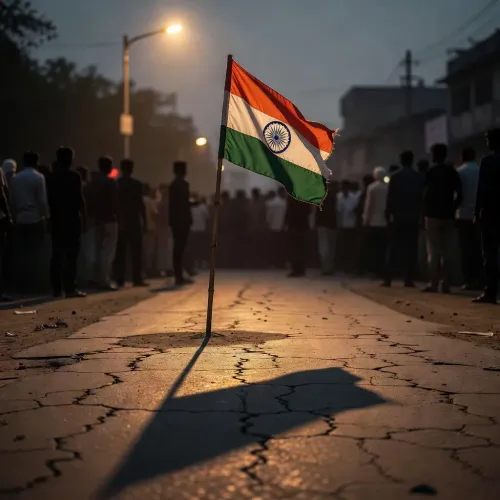
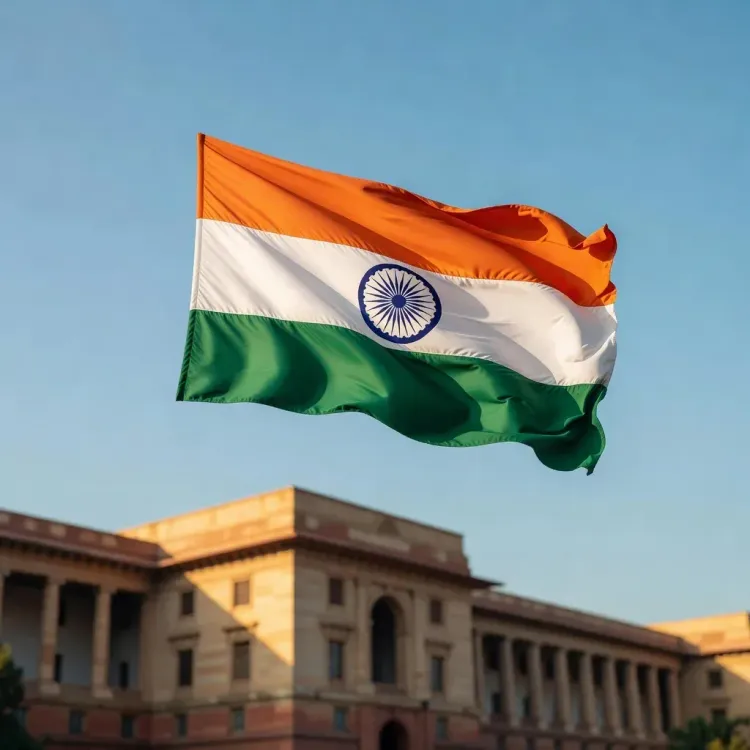
The Indian tricolour is non-negotiable on home soil — and those who think otherwise should find another country. That is the blunt message AAP convenor Arvind Kejriwal fired on X on Friday, October 16, 2026, in a pointed post that has quickly ignited political debate online.
Kejriwal's post, written in Hindi, read: 'Hum apne desh mein tiranga nahin lahrayenge toh kya Pakistan mein lahrayenge? Jinhe Bharatiya tiranga se pareshani hai, woh Pakistan chale jayein.' Translated: 'If we don't hoist the tricolour in our own country, will we hoist it in Pakistan? Those who have a problem with the Indian tricolour should go to Pakistan.'
The rhetorical punch behind the post
The statement is short, but its political charge is unmistakable. Kejriwal invokes the tricolour — India's most potent national symbol — and frames any objection to it as an act of fundamental disloyalty. The Pakistan reference sharpens the contrast: loyalty to India is defined in opposition to its most politically loaded neighbour.
The immediate trigger for the post was not independently verifiable at the time of publication. However, such statements rarely emerge in a vacuum — they typically surface during domestic flashpoints around patriotism, debates over national symbols, or heightened India-Pakistan tensions. What is clear is that Kejriwal chose a highly visible platform and an unambiguous register.
A familiar rhetorical move in Indian politics
The 'go to Pakistan' formulation has a long and contested history in Indian political discourse. Politicians across the ideological spectrum have deployed it to signal nationalist credentials or to corner opponents on questions of loyalty. Kejriwal's use of it is notable: it signals his intent to occupy nationalist ground that is not traditionally associated with the Aam Aadmi Party's governance-first brand.
AAP has faced persistent accusations from rivals — particularly the Bharatiya Janata Party — of being insufficiently nationalist. Statements like Friday's post can be read as a direct pushback against that framing, recasting Kejriwal as a defender of the flag rather than a target of such attacks.
Opposition and public reaction to watch
Rival parties are likely to respond — either by echoing the nationalist sentiment or by questioning whether the post was triggered by a specific incident Kejriwal has not named. Civil society voices have in the past pushed back on 'go to Pakistan' rhetoric, arguing it conflates political dissent with disloyalty. That debate will almost certainly surface again.
For now, Kejriwal has planted his flag — and in Indian politics, few symbols carry more voltage than the tricolour.
Point of View
He signals that AAP intends to contest, not concede, the nationalism debate ahead of future electoral cycles. The statement also follows a pattern seen across Indian politics: when domestic pressures mount, the tricolour becomes a rallying point that is almost impossible to argue against publicly. Whether this marks a strategic pivot or a one-off salvo will depend on how AAP sustains — or drops — the nationalist messaging in the weeks ahead.
NationPress
16 Oct 2026
Frequently Asked Questions
What did Arvind Kejriwal say about the tricolour and Pakistan?
Kejriwal posted on October 16, 2026, saying that if Indians won't hoist the tricolour in their own country, they won't do it in Pakistan either, and that those troubled by the Indian flag should go to Pakistan.
Why did Kejriwal make this statement?
The immediate trigger was not publicly confirmed. Such statements typically surface during debates on nationalism, national symbols, or India-Pakistan tensions, though no specific event was cited in the post.
Is 'go to Pakistan' a common phrase in Indian politics?
Yes. Politicians across parties have periodically used the phrase to emphasise national loyalty, particularly during debates about patriotism or national symbols. It remains a deeply contested rhetorical device.
What is AAP's position on nationalism?
AAP has generally built its identity around governance and anti-corruption issues. Kejriwal's October 2026 post is being read as a direct assertion of nationalist credentials, countering opposition claims that AAP is soft on patriotism.
What reactions are expected to Kejriwal's tricolour post?
Rival political parties are expected to respond, and civil society groups have historically pushed back on 'go to Pakistan' rhetoric, arguing it conflates political dissent with disloyalty. Responses are anticipated in the coming days.