Kejriwal to Write to PM Modi Over E20 Petrol Concerns
Synopsis
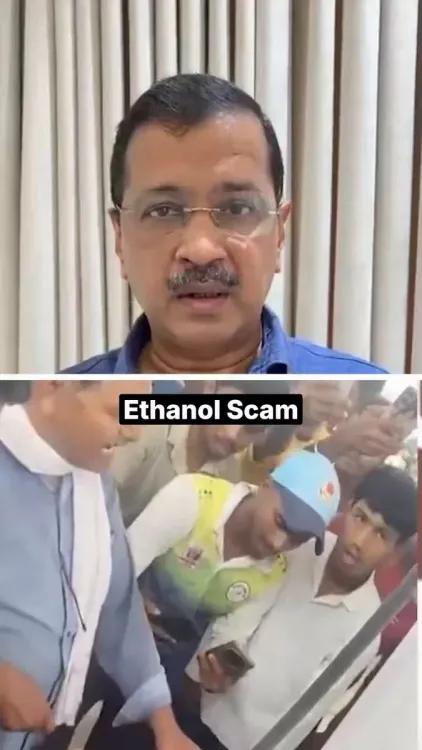
AAP convenor Arvind Kejriwal on 3 July 2026 announced he will write to Prime Minister Modi over E20 ethanol-blended petrol, alleging the policy is damaging vehicles and reducing mileage. He invited citizens to suggest what the letter should say, framing the programme as an unwanted experiment on the public.
Key Takeaways
AAP convenor Arvind Kejriwal announced on 3 July 2026 that he will write a formal letter to Prime Minister Narendra Modi on E20 petrol .
Kejriwal alleged that the 20% ethanol blend is causing vehicles to stall, damaging engine parts, and reducing mileage.
He invited citizens to suggest content for the letter via DMs and comments on X, framing the initiative as a public consultation.
The National Policy on Biofuels 2018 set a 20% ethanol blending target by 2030 , later advanced to 2025 by the central government in June 2021 .
Older vehicles not certified for E20 compatibility are considered most at risk from higher ethanol blends, while sugarcane farmers and ethanol producers benefit from the programme.
NationPress notes that claims of widespread vehicle breakdowns under E20 are unverified and no independent survey data on public anger is currently attributable.
AAP convenor Arvind Kejriwal on Friday, 3 July 2026, announced he will write a formal letter to Prime Minister Narendra Modi over public grievances linked to E20 petrol, the government-mandated fuel blended with 20% ethanol, saying the policy is being forcibly imposed on citizens whose vehicles are suffering as a result.
Posting in Hindi on X, Kejriwal wrote: 'मोदी सरकार के लिए पूरा देश एक experiment lab है' ('For the Modi government, the entire country is an experiment lab'). He alleged that ethanol blending is causing vehicles to stall, damaging engine parts, and reducing mileage — and that public anger over the issue is running high. He invited followers to DM or comment with suggestions on what the letter should include.
Context
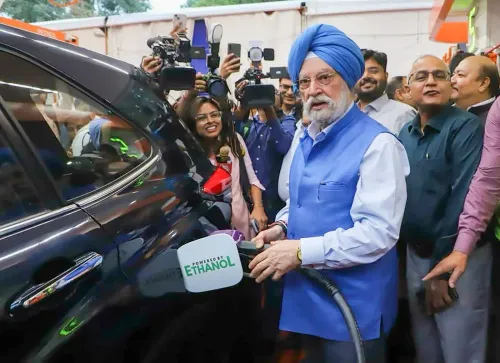
The E20 programme mandates a blend of 20% ethanol in petrol at fuel stations across India. The central government, under the Ministry of Petroleum and Natural Gas, has been rolling out progressively higher ethanol blends since the early 2000s, with the pace accelerating sharply after 2014. The National Policy on Biofuels 2018 originally set the 20% blending target for 2030; in June 2021, the government advanced that deadline to 2025 and released a phased roadmap.
The programme is designed to reduce India's dependence on crude oil imports and provide assured offtake for sugarcane farmers, making it a dual-purpose energy and agricultural policy. Oil marketing companies have been central to its implementation, coordinating supply chains for ethanol procurement and blending.
Policy Backdrop
Ethanol is derived primarily from sugarcane molasses and, increasingly, from damaged food grains. Higher ethanol content in fuel has long been associated with concerns about material compatibility — rubber seals, fuel-line components, and carburettors in older vehicles were not designed for high-ethanol blends. The automobile sector has raised these compatibility questions periodically at each phase of the programme's expansion.
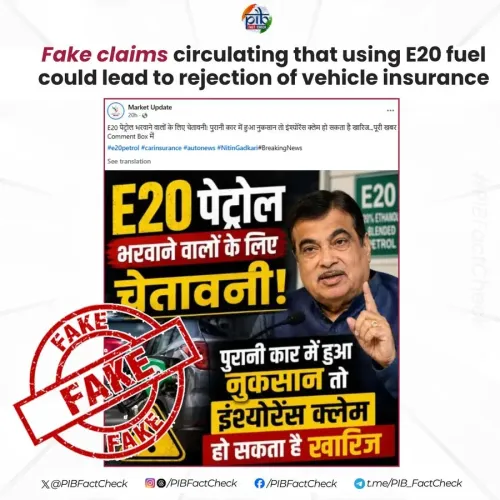
Newer vehicles sold after a certain model year are typically certified as E20-compatible by manufacturers, but a large share of India's vehicle fleet on the road predates those standards. Consumer complaints about reduced mileage under higher ethanol blends have also appeared in earlier phases, as ethanol carries lower energy density than pure petrol. NationPress notes that the specific claims of widespread breakdowns and mileage loss cited by Kejriwal have not been independently verified.
Stakeholders and Impact
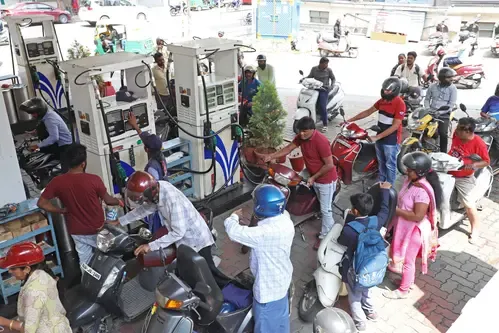
The most directly affected group is India's vast base of private vehicle owners — two-wheeler and four-wheeler users alike — many of whom operate older models not rated for E20. If Kejriwal's letter triggers a formal parliamentary or ministerial response, oil marketing companies and automakers could face pressure to clarify warranty and compatibility positions publicly.
Sugarcane farmers and ethanol producers, on the other hand, have benefited from the programme's assured demand. Any rollback or slowdown in the blending mandate would affect that supply chain. The Ministry of Petroleum and Natural Gas and the auto industry's submissions to it on E20 compatibility standards are expected to be closely watched, particularly during the ongoing monsoon parliamentary session.
What's Next
Kejriwal's announcement is explicitly participatory: he has asked citizens to contribute to the letter's content via direct messages and comments, a tactic that doubles as public mobilisation. The actual letter to Prime Minister Modi is expected to follow once he consolidates the feedback.
Whether the government responds formally — through the petroleum ministry or the Prime Minister's Office — will determine how far the issue travels in the policy arena. With the monsoon session of Parliament under way, opposition parties are likely to watch for an opening to raise vehicle-compatibility and consumer-protection questions on the floor of the House.
Point of View
However, a genuinely complex policy with real trade-offs: energy security and farmer income on one side, consumer durability concerns on the other. By framing the programme as a forced 'experiment' on citizens, Kejriwal is attempting to shift the political cost of those trade-offs onto the BJP-led government ahead of any electoral cycle. The government's response — or silence — will signal how seriously it takes the vehicle-compatibility dimension of a programme it has staked considerable political capital on.
NationPress
3 Jul 2026
Frequently Asked Questions
What is E20 petrol and why is it controversial?
E20 petrol is fuel blended with 20% ethanol , mandated by the central government to cut crude oil imports and support sugarcane farmers. It is controversial because older vehicles not designed for high ethanol content may experience reduced mileage, component wear, or stalling, raising consumer concerns.
Why is Kejriwal writing to PM Modi about E20 petrol?
Arvind Kejriwal announced on 3 July 2026 that he will write to Prime Minister Modi after receiving public complaints that E20 petrol is damaging vehicles and lowering mileage. He described the policy as being forcibly imposed on citizens.
Is E20 petrol safe for all vehicles in India?
Not all vehicles are rated for E20 . Newer models sold after manufacturers adopted E20-compatibility standards are generally certified for the blend, but a large portion of India's existing vehicle fleet predates those standards and may be more vulnerable to component damage or mileage loss.
What is the government's target for ethanol blending in petrol?
The National Policy on Biofuels 2018 set a target of 20% ethanol blending by 2030 . In June 2021 , the central government advanced this deadline to 2025 and released a phased rollout roadmap.
What happens next after Kejriwal's announcement?
Kejriwal is collecting citizen suggestions via social media before drafting the letter to PM Modi . A formal government response from the Ministry of Petroleum and Natural Gas or the Prime Minister's Office would be the next significant development to watch.