Khattar Launches PRAGATI50 Under SBM-U 2.0 for 50 Cities
Synopsis
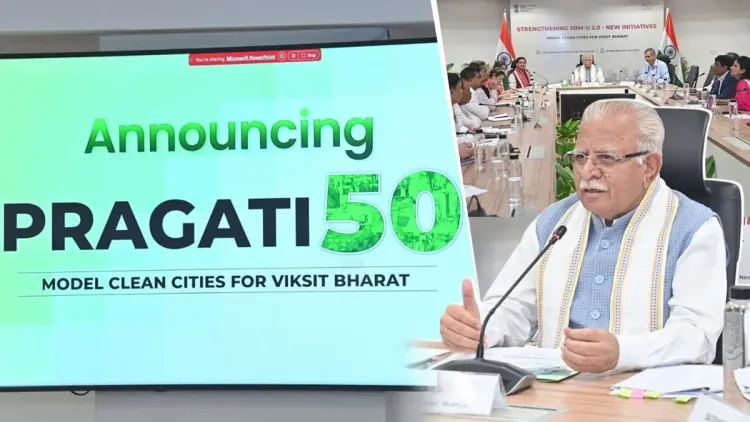
Union Minister Manohar Lal Khattar launched PRAGATI50 under SBM-U 2.0 on September 29, 2026, creating a Model City Framework for 50 cities of national significance, backed by citizen feedback, Swachhata Startups and technical innovation during the Swachhata Hi Seva 2026 campaign.
Key Takeaways
PRAGATI50 is a new initiative under SBM-U 2.0 to develop a Model City Framework for 50 cities of economic, cultural, heritage, pilgrimage, tourism and administrative significance.
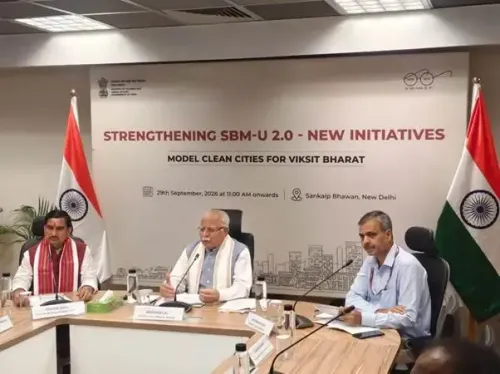
Union Minister Manohar Lal Khattar announced the launch on September 29, 2026 , during the Swachhata Hi Seva 2026 campaign.
The initiative incorporates citizen feedback mechanisms , Swachhata Startups , and technical innovations to sharpen implementation.
Swachh Bharat Mission (Urban) 2.0 was approved in 2021 with a mandate running through 2026 , focusing on garbage-free cities and sustainable waste processing.
The framework signals a shift from building sanitation infrastructure to sustaining high cleanliness standards over the long term.
Fifty cities of economic, cultural, heritage, pilgrimage, tourism and administrative significance are now in the crosshairs of a new urban cleanliness push — and Union Minister for Housing and Urban Affairs Manohar Lal Khattar is driving it. On Tuesday, September 29, 2026, Khattar announced the launch of a fresh set of initiatives under Swachh Bharat Mission (Urban) 2.0, anchored by a programme called PRAGATI50, aimed at building a 'Model City Framework' for select cities across India.
What PRAGATI50 Sets Out to Do
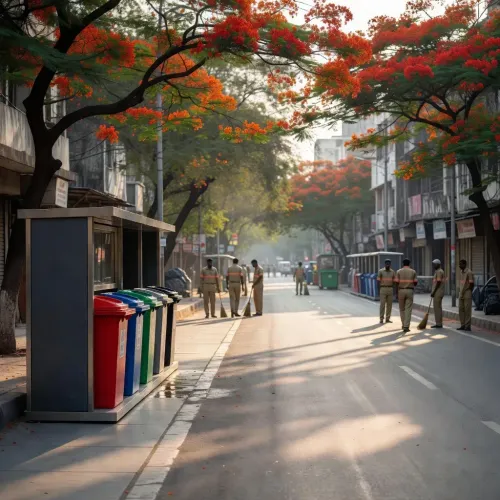
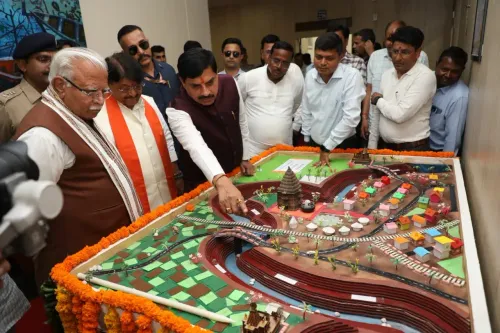
At its core, PRAGATI50 is about elevating a curated set of 50 cities — chosen for their economic weight, cultural relevance, heritage value, pilgrimage importance, tourism draw, or administrative significance — into models of urban cleanliness. The framework is designed not just to build infrastructure but to sustain high standards: a recognition that the original mission's challenge has shifted from construction to consistent, measurable upkeep.
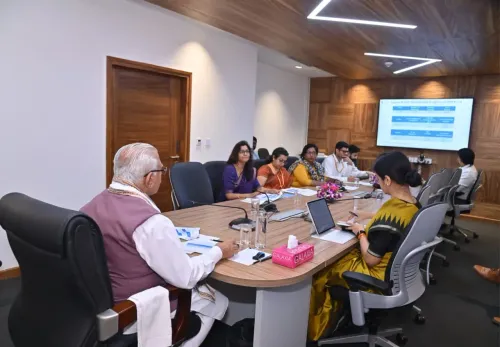
Khattar outlined three levers powering this effort: stronger citizen feedback mechanisms, a push for Swachhata Startups, and technical innovations that sharpen on-the-ground implementation. The framing signals a maturation in approach — moving away from top-down directives toward ecosystem-driven solutions.
SBM-U 2.0: From Infrastructure Sprint to Sustained Standards
Swachh Bharat Mission, launched in 2014, set out to eliminate open defecation and fix India's broken solid-waste system. Its second urban phase — SBM-U 2.0, approved in 2021 — raised the ambition: garbage-free cities, sustainable waste processing, ODF+ outcomes, and a circular-economy orientation, with a mandate running through 2026. PRAGATI50 appears to be a capstone effort within that mandate's final stretch.
The timing is deliberate. The announcement lands during Swachhata Hi Seva 2026, the annual nationwide cleanliness campaign that mobilises citizen participation and government outreach under the Swachh Bharat umbrella. Launching a structural framework mid-campaign maximises public visibility and, in theory, citizen buy-in.
Startups and Feedback Loops: The New Delivery Architecture
The explicit mention of 'Swachhata Startups' is notable. It points to a deliberate policy bet that private innovation — not just municipal machinery — will be central to hitting cleanliness targets in diverse city types. A pilgrimage city's waste-management challenge looks nothing like a heritage town's or an administrative capital's; a startup ecosystem, in principle, adapts faster than a uniform government rollout.
Citizen feedback is the other pillar. Urban local bodies have historically struggled with accountability gaps between what residents experience and what official metrics report. Institutionalising feedback loops — if implemented rigorously — could close that gap and create real-time pressure on city administrators.
The next test is concrete: which 50 cities make the list, how the Model City Framework is scored, and what cleanliness outcomes Swachhata Hi Seva 2026 ultimately records. The mission's legacy will be written in those numbers.
Point of View
Auditable showcase rather than spreading resources thin across hundreds of urban local bodies. By weaving in startups and feedback loops, the Ministry is hedging against the mission's persistent Achilles heel: the gap between official cleanliness scores and lived urban reality. The Swachhata Hi Seva campaign timing is not incidental; it maximises media and citizen attention at exactly the moment the framework needs public legitimacy. Whether PRAGATI50 delivers durable outcomes or becomes a campaign-cycle showcase will depend entirely on how transparently the city list is published and how independently outcomes are measured.
NationPress
29 Sept 2026
Frequently Asked Questions
What is PRAGATI50 under SBM-U 2.0?
PRAGATI50 is a new initiative under Swachh Bharat Mission (Urban) 2.0, launched by Union Minister Manohar Lal Khattar, to develop a Model City Framework for 50 cities of economic, cultural, heritage, pilgrimage, tourism and administrative significance across India.
Which 50 cities are selected under the PRAGATI50 Model City Framework?
The exact list of 50 cities under PRAGATI50 has not been officially published yet. The cities are to be chosen on the basis of economic, cultural, heritage, pilgrimage, tourism and administrative significance.
What is Swachh Bharat Mission Urban 2.0 and when does it end?
SBM-U 2.0 is the second phase of the Swachh Bharat Mission for urban areas, approved in 2021 and running through 2026. It focuses on garbage-free cities, sustainable waste processing, ODF+ outcomes and circular-economy principles.
What is Swachhata Hi Seva 2026?
Swachhata Hi Seva is an annual nationwide cleanliness campaign under the Swachh Bharat Mission that mobilises citizen participation and government outreach. The 2026 edition, running under the hashtag #SHS2026, is when Khattar announced the PRAGATI50 initiative.
How do Swachhata Startups fit into India's urban cleanliness mission?
Under PRAGATI50 and SBM-U 2.0, Swachhata Startups are being encouraged to bring technical innovations that can sharpen on-the-ground implementation of cleanliness standards, complementing government machinery in cities with diverse sanitation challenges.