Khattar Reviews Power, Housing Schemes on SVANidhi's 6th Year in Tripura
Synopsis
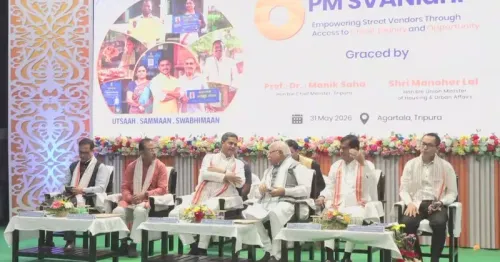
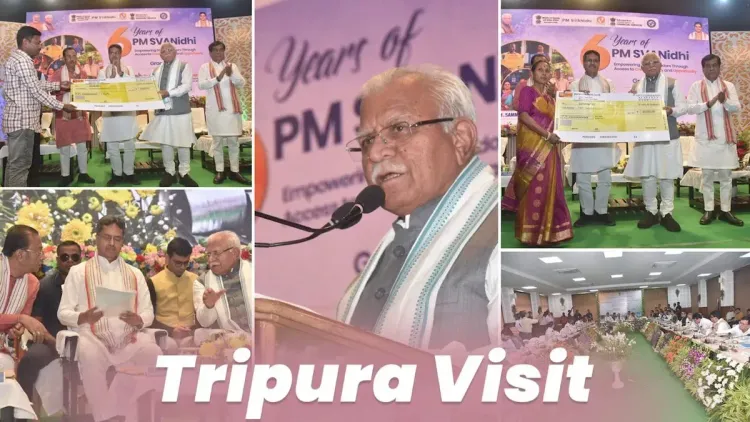
Union Minister Manohar Lal Khattar visited Tripura on 31 May 2026 to commemorate the sixth anniversary of PM SVANidhi Yojana and review power and housing initiatives. The visit highlights the central government's continued outreach in the Northeast on urban welfare and infrastructure delivery.
Key Takeaways
Union Minister Manohar Lal Khattar visited Tripura on 31 May 2026 for a combined welfare and infrastructure review.
PM SVANidhi Yojana completed six years on 1 June 2026 , having been launched on 1 June 2020 under the Atmanirbhar Bharat package.
The scheme provides collateral-free micro-credit to urban street vendors, starting at Rs 10,000 for first-time borrowers.
The visit also covered reviews of Power and Housing and Urban Affairs sector initiatives active in Tripura .
Urban local bodies in Tripura serve as nodal agencies for SVANidhi loan disbursement and vendor registration.
Follow-up announcements on power-grid upgrades and housing project status in the state are anticipated.
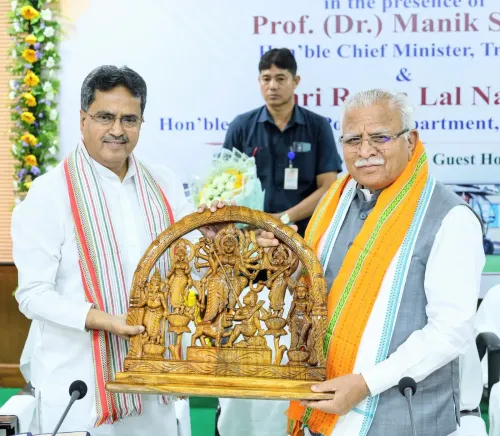
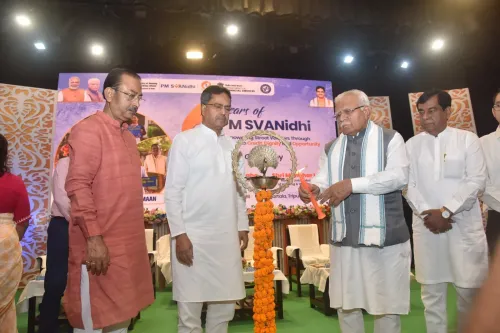
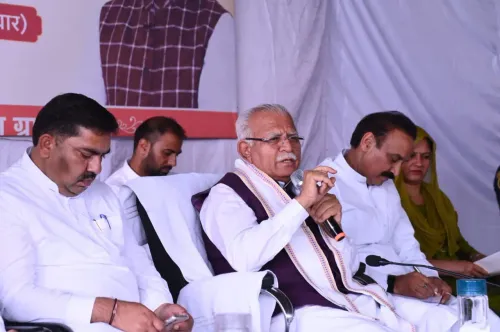
Union Power Minister Manohar Lal Khattar visited Tripura on Sunday, 31 May 2026, to commemorate the sixth anniversary of the PM SVANidhi Yojana and conduct on-ground reviews of ongoing initiatives under the Power and Housing and Urban Affairs ministries. The visit brought together scheme beneficiaries, urban local bodies, and state officials for a wide-ranging assessment of welfare and infrastructure delivery in the northeastern state.
Context
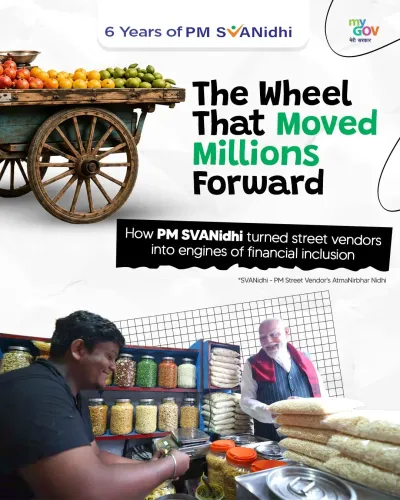
Khattar shared highlights of the Tripura visit on 1 June 2026, describing it as 'eventful' and centred on two distinct but converging agendas: the anniversary commemoration of a flagship urban welfare scheme and a sectoral review of power and housing projects. The PM SVANidhi Yojana — formally the Pradhan Mantri Street Vendor's AtmaNirbhar Nidhi — completed six years on 1 June 2026, having been launched on the same date in 2020 as part of the Atmanirbhar Bharat stimulus package.
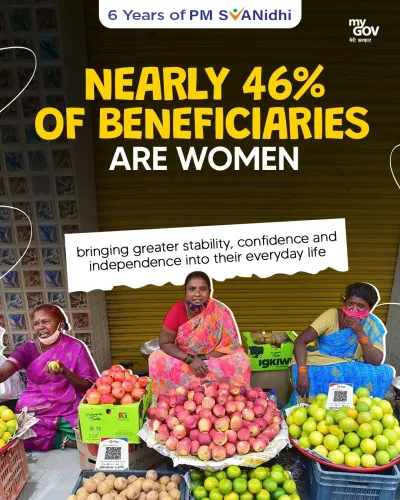
The scheme was designed to provide collateral-free working-capital loans to urban street vendors who had been severely disrupted by COVID-19 lockdowns. Tripura, like other northeastern states, has been a focus area for central outreach under SVANidhi, given the concentration of informal urban livelihoods in its smaller towns and the state capital Agartala.
Policy Backdrop
The PM SVANidhi Yojana operates as a micro-credit facility administered through urban local bodies, with loan amounts structured in tranches — starting at Rs 10,000 for first-time borrowers and scaling upward for repeat beneficiaries with good repayment records. The scheme also incentivises digital transactions among street vendors, integrating them into the formal financial ecosystem.
Khattar's dual mandate as minister for both Power and Housing and Urban Affairs makes combined review visits to states a natural part of his ministerial calendar. The northeastern states have been a consistent priority under the 24x7 Power for All framework and urban development programmes such as AMRUT (Atal Mission for Rejuvenation and Urban Transformation), both of which have active components in Tripura. Such visits typically serve to assess state-level implementation gaps and accelerate convergence between central allocations and on-ground delivery.
Stakeholders and Impact
The primary beneficiaries of the SVANidhi anniversary event are street vendors — a constituency that numbers in the millions across urban India and remains largely dependent on informal credit at high interest rates in the absence of formal banking access. Urban local bodies in Tripura serve as the nodal agencies for loan disbursement and vendor registration under the scheme.
On the infrastructure side, households and industries in Tripura stand to benefit from any follow-up decisions emerging from the power-sector review. The state has historically faced challenges in last-mile electricity connectivity and distribution infrastructure, issues that fall squarely within the ambit of the ministry Khattar heads. Housing beneficiaries under schemes such as PM Awas Yojana (Urban) are also a key stakeholder group in such ministerial visits.
What's Next
Attention will now turn to state-level utilisation reports on SVANidhi loan disbursements in Tripura and any follow-up announcements on power-grid upgrades or housing project completions that may emerge from the review. Central ministers' visits to northeastern states often precede enhanced fund releases or targeted implementation drives, and Khattar's review is likely to feed into ministry-level assessments of scheme performance in the region. The sixth anniversary of SVANidhi also provides a broader political opportunity for the BJP-led government to highlight the scheme's reach among urban informal workers ahead of the next cycle of urban local body elections in several states.
Point of View
Particularly in the Northeast where the party has invested heavily in governance optics. Combining a welfare-scheme commemoration with hard infrastructure reviews signals an attempt to project ministerial accountability beyond ceremonial photo-ops. The choice of Tripura — a state the BJP governs — also reinforces the party's interest in consolidating its northeastern base ahead of future electoral cycles. Whether the visit translates into measurable acceleration in SVANidhi disbursements or power-sector outcomes in the state will be the real test of its policy value.
NationPress
18 Oct 2026
Frequently Asked Questions
What is PM SVANidhi Yojana and when was it launched?
PM SVANidhi Yojana, or Pradhan Mantri Street Vendor's AtmaNirbhar Nidhi, is a micro-credit scheme launched on 1 June 2020 to provide collateral-free working-capital loans to urban street vendors affected by COVID-19 lockdowns.
Why did Manohar Lal Khattar visit Tripura in June 2026?
Khattar visited Tripura on 31 May 2026 to commemorate the sixth anniversary of PM SVANidhi Yojana and to review progress on Power and Housing and Urban Affairs sector initiatives in the state.
How much loan does PM SVANidhi Yojana provide to street vendors?
First-time borrowers under PM SVANidhi Yojana are eligible for a collateral-free loan of Rs 10,000 , with higher tranches available for repeat borrowers who repay on time.
What is Manohar Lal Khattar's current role in the Union government?
Manohar Lal Khattar is the Union Minister of Power and Housing and Urban Affairs . He is a senior BJP leader and former Chief Minister of Haryana.
Which urban schemes is the central government reviewing in northeastern states?
The central government has active reviews of schemes including PM SVANidhi Yojana , AMRUT , PM Awas Yojana (Urban) , and the 24x7 Power for All framework across northeastern states including Tripura.