Kishan Reddy at FICCI: Reforms Must Deliver Jobs, Wages
Synopsis
At FICCI's centenary convention, PM Modi and Union Minister G. Kishan Reddy framed India's economic reforms — from a corporate tax cut to zero income tax up to ₹12 lakh — as a government-industry compact, demanding industry reciprocate with jobs and higher wages.
Key Takeaways
Kishan Reddy echoed PM Modi's address at FICCI's Centenary Convention on November 19, 2026 , framing reforms as a two-way partnership.
The government cut corporate income tax from 30% to 22% for domestic companies in September 2019 to boost investment and competitiveness.
A zero income tax threshold up to ₹12 lakh has been introduced to expand disposable income and stimulate consumption.
Industry is expected to respond by creating more jobs, improving wages, and expanding opportunities for citizens.
The Minister's key message: 'Reforms must translate into growth and prosperity for all.' Employment data and corporate hiring announcements in coming months will serve as the real scorecard for this compact.
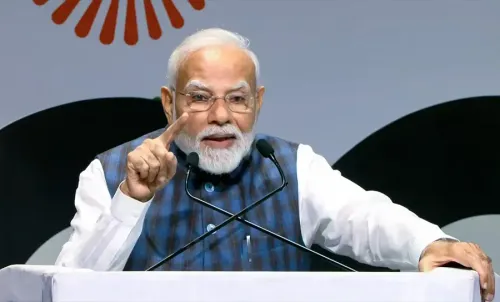
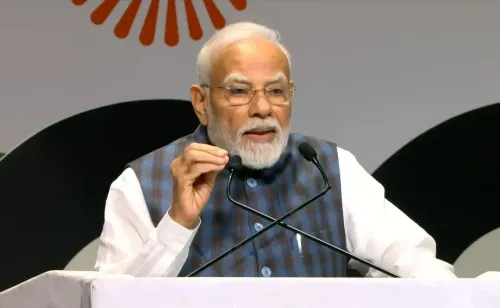
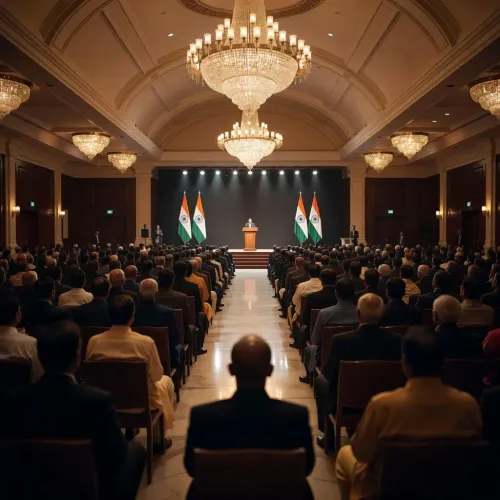
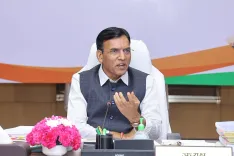
Reforms without results are just paperwork — and Union Coal and Mines Minister G. Kishan Reddy made that point sharply on Thursday, November 19, 2026, echoing Prime Minister Narendra Modi's address at FICCI's Centenary Convention and issuing a direct call to India's business community: the government has done its part, now industry must deliver.
Modi's message at FICCI's 100th: a contract, not a gift
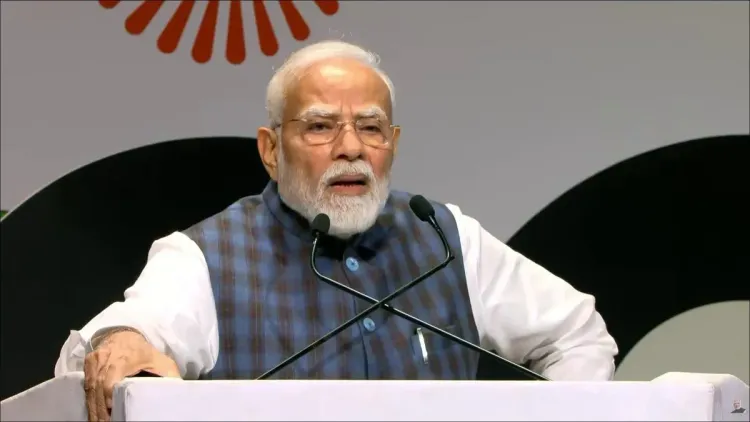
Speaking at the centenary convention of the Federation of Indian Chambers of Commerce and Industry (FICCI) — India's oldest and largest business association — PM Modi framed economic reform as a bilateral compact. Kishan Reddy amplified that message on X, writing: 'Reforms are a partnership between the government and industry.' The language is deliberate — not patronage, not charity, but obligation running in both directions.
The government's side of the ledger, as cited by the Minister, is substantial. Corporate income tax was cut from 30% to 22% for domestic companies — a move executed in September 2019 to sharpen India's competitiveness against regional rivals. More recently, the government introduced zero income tax on earnings up to ₹12 lakh, directly expanding disposable income for millions of salaried Indians and signalling an intent to stimulate household consumption from the bottom up.
Industry's side of the bargain: jobs, wages, opportunity
Kishan Reddy's post names the three deliverables industry now owes: more jobs, improved wages, and expanded opportunities. The sequence matters. Jobs come first, but wages — often the missing variable in India's employment conversation — are explicitly named. This is not a soft ask. It is a public benchmark against which corporate India can be held accountable.
The government's framing at FICCI lands against a backdrop of persistent debate about whether tax relief for corporates translates into hiring on the ground. By stating 'reforms must translate into growth and prosperity for all,' the Minister is essentially putting that question on the table — and assigning the answer to the private sector.
FICCI's centenary as a turning-point moment
FICCI, founded in 1927, reaching its hundredth year is itself a milestone — but the convention's policy weight far exceeds the anniversary optics. With India's economic ambitions squarely tied to private investment, employment generation, and domestic consumption, the convention has become a natural arena for the government to set expectations. The timing also matters: a centenary gathering carries moral authority that a routine industry summit does not. Commitments made here carry public weight.
The months ahead will test the rhetoric. Industry announcements on hiring targets, wage revision cycles, and new investment plans — alongside official employment data — will reveal whether the government-industry partnership Kishan Reddy described is a genuine compact or an aspirational slogan.
Reforms that do not reach the last worker are half-finished. The government has built the runway — now industry must decide whether to take off.
Point of View
The government is shifting accountability onto the private sector — a politically shrewd move that lets the BJP claim credit for supply-side reforms while pre-empting criticism on jobless growth. The explicit mention of 'wages' alongside jobs is notable; it signals awareness that employment numbers alone are no longer a sufficient political answer. At a centenary FICCI gathering, this language carries public weight and sets a benchmark that corporate India will find difficult to ignore heading into the next budget cycle.
NationPress
19 Nov 2026
Frequently Asked Questions
What did PM Modi say at the FICCI Centenary Convention 2026?
PM Modi framed economic reforms as a partnership between the government and industry, calling on businesses to reciprocate tax relief by creating jobs, improving wages, and expanding opportunities for citizens.
When was India's corporate tax cut from 30% to 22%?
India cut the corporate income tax rate from 30% to 22% for domestic companies in September 2019 to boost investment and improve competitiveness.
What is the zero income tax limit announced by the Indian government?
The Indian government announced zero income tax on annual earnings up to ₹12 lakh, aimed at expanding disposable income for salaried individuals and boosting household consumption.
What is FICCI and why is its centenary significant?
FICCI — the Federation of Indian Chambers of Commerce and Industry — is India's oldest and largest business association, founded in 1927. Its centenary convention in 2026 is a major platform for the government to set economic policy expectations for the private sector.
What did G. Kishan Reddy say about economic reforms and jobs?
Union Minister G. Kishan Reddy stated that the government has taken decisive reform steps and the next step is for industry to build on them by creating more jobs, improving wages, and expanding opportunities — summarising his view as 'reforms must translate into growth and prosperity for all.'