Kishan Reddy Highlights Digital Tools Cutting Welfare Middlemen
Synopsis
Union Minister G. Kishan Reddy on 15 June 2026 underscored how DBT, Jan Dhan, UPI, FASTag, e-UDID and Jeevan Pramaan collectively ensure welfare benefits reach citizens directly and transparently, removing intermediaries from the delivery chain.
Key Takeaways
Kishan Reddy , Union Coal and Mines Minister and BJP Telangana president, on 15 June 2026 cited six digital platforms as proof of middleman-free welfare delivery.
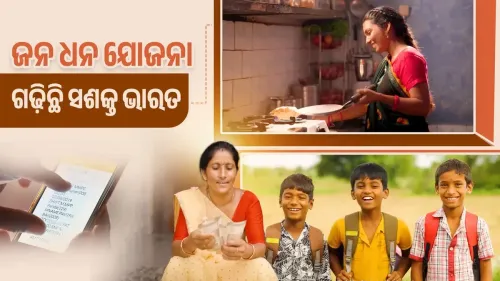
Pradhan Mantri Jan Dhan Yojana , launched 28 August 2014 , created the banking backbone for direct transfers to previously unbanked citizens.
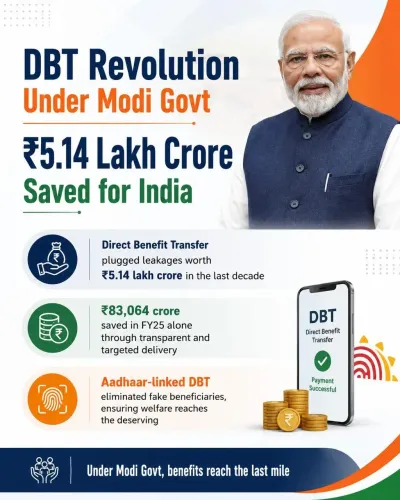
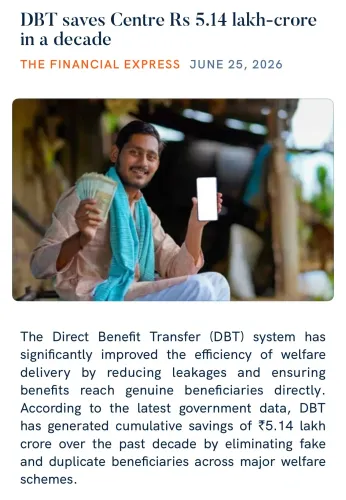
Direct Benefit Transfer (DBT) uses Aadhaar-linked accounts to route subsidies directly, bypassing traditional intermediary chains.
UPI (launched August 2016 ) and FASTag (mandated from 2016-17 ) extended digital payment rails to everyday transactions and highway tolls.
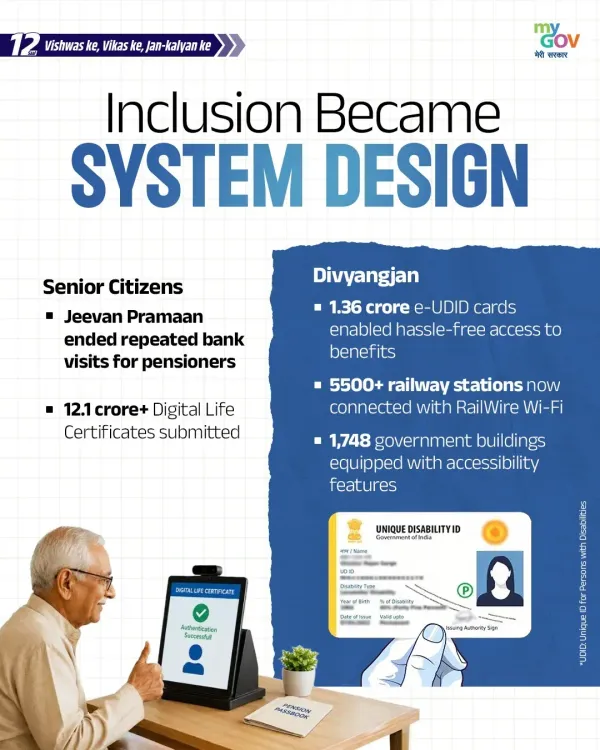
Jeevan Pramaan (introduced November 2014 ) and e-UDID bring the same direct-access logic to pensioners and persons with disabilities respectively.
Further integration of these rails into health, agriculture, and education verticals is anticipated as the India Stack model deepens.
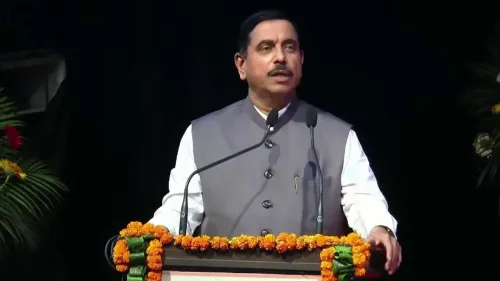
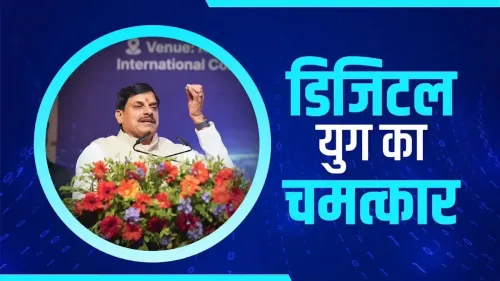
Union Coal and Mines Minister G. Kishan Reddy on Monday, 15 June 2026, highlighted how a suite of government digital platforms — from Direct Benefit Transfer (DBT) and Jan Dhan accounts to UPI, FASTag, e-UDID, and Jeevan Pramaan — have transformed welfare delivery by routing benefits directly to citizens without intermediaries.
Context
Responding to a post on X, the minister wrote that 'technology has ensured that benefits reach citizens directly, transparently, and without middlemen.' The remark encapsulates a central governance argument the ruling dispensation has made since 2014: that digital identity and payment rails can structurally eliminate leakage from welfare programmes. Kishan Reddy, who also serves as BJP Telangana state president, made the observation in his personal capacity as a senior Union minister.
Policy Backdrop
The platforms he cited span nearly a decade of Digital India architecture. Pradhan Mantri Jan Dhan Yojana, launched on 28 August 2014, created a universal banking backbone by opening zero-balance accounts for previously unbanked citizens. The Direct Benefit Transfer mechanism, scaled nationally from 2013 onward, uses Aadhaar-linked accounts to push subsidies and welfare payments directly, bypassing traditional intermediary chains.
UPI, built by the National Payments Corporation of India and rolled out in August 2016, became the country's dominant instant-payment rail for both peer-to-peer and merchant transactions. FASTag, mandated on national highways from 2016-17, introduced RFID-based cashless toll collection. Jeevan Pramaan, introduced in November 2014, allows pensioners to submit annual life certificates through biometric or face authentication, removing the need for physical visits to disbursing offices. e-UDID extends a similar logic to persons with disabilities, issuing digitally verifiable identity cards for scheme access.
Stakeholders and Impact
The primary beneficiaries of this digital stack are welfare recipients, pensioners, persons with disabilities, and highway commuters — collectively numbering in the hundreds of millions. The shift from in-kind or intermediary-routed disbursements to direct, auditable transfers has been presented by successive administrations as reducing leakage while expanding the formal financial footprint of citizens. Civil society observers have noted both gains in inclusion and ongoing concerns about exclusion errors in biometric-linked systems.
The minister's post carries political weight in Telangana, where the BJP has sought to contrast Central digital governance initiatives against state-level welfare delivery. By invoking this cluster of schemes together, Kishan Reddy frames them as a coherent, technology-first governance philosophy rather than isolated programmes.
What's Next
Further integration of digital identity and payment rails into new welfare verticals — including health, agriculture, and education — is expected to deepen the India Stack model. Parliamentary debate on data protection legislation governing Aadhaar-linked systems will shape how these platforms evolve, particularly around citizen consent and grievance redress. The government's ability to demonstrate measurable leakage reduction across DBT-linked schemes will remain a key metric for the political credibility of this governance argument.
Point of View
Jan Dhan, UPI, FASTag, e-UDID and Jeevan Pramaan together, he signals that the party views the India Stack not as a collection of schemes but as a unified philosophy of state-citizen interaction. Coming from a minister who doubles as Telangana BJP chief, the statement also carries a competitive edge in a state where welfare delivery credibility is a live electoral argument. The broader implication is that digital infrastructure is now the primary terrain on which governance legitimacy is contested in India.
NationPress
15 Sept 2026
Frequently Asked Questions
What is Direct Benefit Transfer and how does it work?
Direct Benefit Transfer (DBT) is a government mechanism that transfers subsidies and welfare payments directly into Aadhaar-linked bank accounts of beneficiaries, bypassing intermediaries and reducing leakage. It was scaled nationally from 2013 onward.
What did Kishan Reddy say about digital welfare schemes?
On 15 June 2026, Union Minister G. Kishan Reddy stated that technology — through platforms like DBT, Jan Dhan, UPI, FASTag, e-UDID and Jeevan Pramaan — has ensured benefits reach citizens directly, transparently, and without middlemen.
What is Jeevan Pramaan and who benefits from it?
Jeevan Pramaan is a digital life certificate platform introduced in November 2014 that allows pensioners to submit annual proof of life via biometric or face authentication, eliminating the need for physical visits to pension disbursing offices.
What is e-UDID in India?
e-UDID is the Unique Disability ID portal that issues digitally verifiable identity cards to persons with disabilities, enabling them to access government schemes without paper-based documentation hurdles.
How has UPI changed welfare delivery in India?
While UPI is primarily an instant payment rail for everyday transactions, its underlying digital payment infrastructure — alongside Jan Dhan accounts and DBT — has strengthened the government's ability to transfer funds directly to beneficiaries at scale.