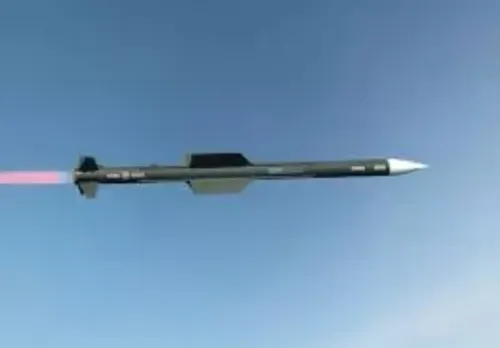
Kishan Reddy Hails DRDO's Maiden Kusha Missile Test
Synopsis
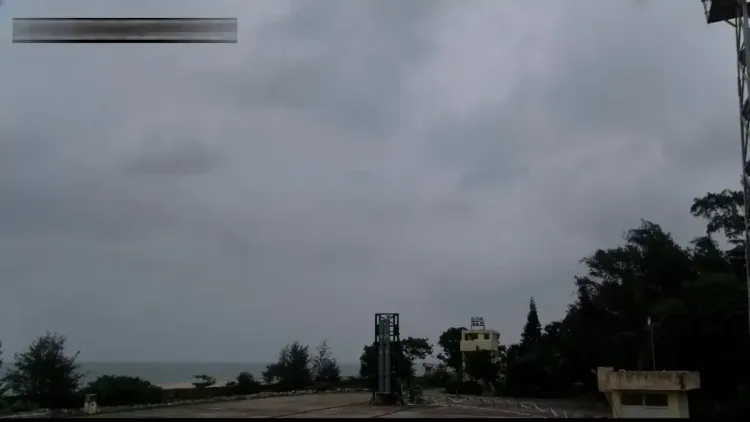
DRDO successfully conducted the maiden flight-test of the indigenous Kusha Long-Range Surface-to-Air Missile on 24 July 2026. Union Minister G. Kishan Reddy called it a major milestone for Aatmanirbhar Bharat, underscoring India's push to replace imported air defence systems with domestically developed alternatives.
Key Takeaways
DRDO carried out the successful maiden flight-test of the Kusha Long-Range Surface-to-Air Missile on 24 July 2026 .
Union Coal and Mines Minister G.
Kishan Reddy highlighted the test as a milestone for India's indigenous air defence capability.
The Kusha system is designed to counter a wide range of aerial threats and reduce India's dependence on imported long-range air defence platforms.
The programme aligns with the Aatmanirbhar Bharat initiative launched in May 2020 to boost domestic defence manufacturing.
India's missile development lineage traces back to the Integrated Guided Missile Development Programme initiated in 1983 .
Follow-on flight trials and armed forces user evaluation are the next steps before any induction decision.
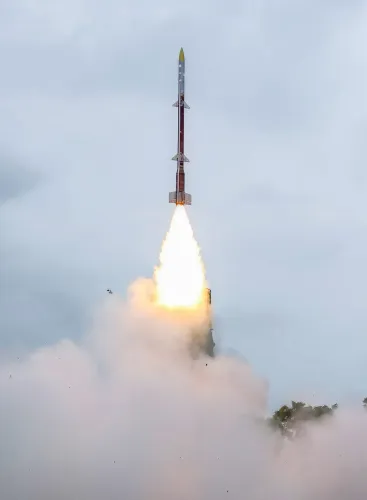
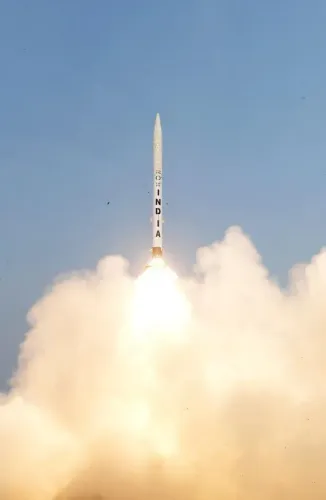
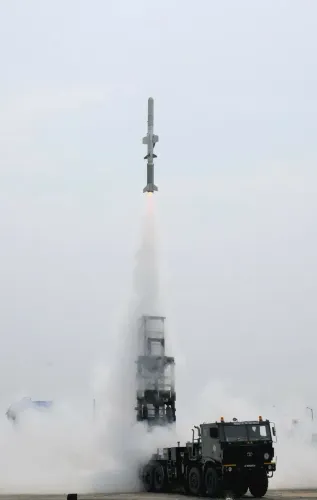
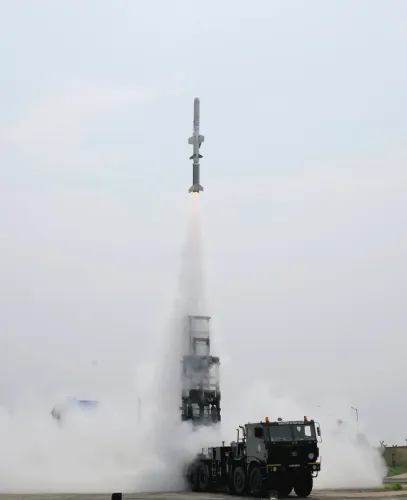
Union Coal and Mines Minister G. Kishan Reddy on Friday, 24 July 2026, lauded the Defence Research and Development Organisation (DRDO) for successfully conducting the maiden flight-test of the indigenously developed Kusha Long-Range Surface-to-Air Missile, calling it a major milestone in strengthening India's air defence capabilities.
Context
The minister described the test as 'a significant leap towards Aatmanirbhar Bharat', noting that the system enhances India's ability to counter a wide range of aerial threats while reducing dependence on imported defence platforms. Reddy shared the development on social media, directing followers to the official government press release for further details.
The Kusha missile is an indigenous long-range surface-to-air system developed by DRDO, India's primary military technology agency under the Ministry of Defence. A successful maiden flight-test marks the first critical validation of the system's design and propulsion before it advances to further evaluation trials.
Policy Backdrop
The Kusha programme is rooted in India's long-standing effort to build sovereign missile capabilities. The Integrated Guided Missile Development Programme, launched in 1983, first established the institutional framework for indigenous missile development across multiple classes — a lineage that Kusha continues.
The Aatmanirbhar Bharat initiative, announced in May 2020, gave fresh political and budgetary impetus to domestic defence manufacturing. Under this framework, the government has progressively expanded positive indigenisation lists, restricting or phasing out imports of systems that Indian industry and DRDO are capable of producing domestically.
Long-range surface-to-air missile systems have historically been among India's most import-intensive defence requirements. A domestically developed alternative of this class would directly address a strategic vulnerability and reduce the foreign-exchange burden on the defence procurement budget.
Stakeholders and Impact
The primary beneficiaries of a successfully inducted Kusha system would be the Indian armed forces, which require layered air defence cover against aircraft, cruise missiles, and other aerial threats at extended ranges. DRDO scientists and the wider domestic defence industrial base — including public-sector undertakings and private-sector partners involved in the programme — stand to gain from the system's progression toward production.
A domestically produced long-range air defence platform also carries strategic significance beyond cost savings. It reduces India's exposure to export controls and supply-chain disruptions that can accompany the procurement of sensitive systems from foreign vendors, strengthening the country's overall strategic autonomy.
What's Next
Following a successful maiden flight-test, a missile system typically undergoes a series of follow-on trials to validate performance across the full operational envelope before user evaluation by the armed forces. Announcements on production timelines, induction schedules, and potential export prospects are expected to emerge from the Ministry of Defence in subsequent phases of the programme.
The Kusha test adds to a sequence of high-profile DRDO milestones in recent years, reinforcing the government's stated goal of making India one of the world's leading defence manufacturers by the end of this decade.
Point of View
Each successful DRDO milestone serves a dual purpose: it validates the Aatmanirbhar Bharat narrative ahead of electoral cycles and sends a calibrated signal of technological self-reliance to regional adversaries. The fact that a minister whose portfolio sits outside defence — Coal and Mines — chose to amplify the test reflects the government's cross-portfolio political investment in the indigenisation story. The real test of the programme's substance, however, will come at the induction stage, where cost, reliability, and delivery timelines will determine whether Kusha genuinely displaces import dependency or remains a demonstration asset.
NationPress
24 Jul 2026
Frequently Asked Questions
What is the Kusha missile?
Kusha is an indigenously developed Long-Range Surface-to-Air Missile being built by India's Defence Research and Development Organisation (DRDO) to intercept and destroy a wide range of aerial threats at extended ranges, reducing the need for imported air defence systems.
When did DRDO test the Kusha missile?
DRDO conducted the successful maiden flight-test of the Kusha Long-Range Surface-to-Air Missile on 24 July 2026.
What is Aatmanirbhar Bharat in defence?
Aatmanirbhar Bharat, launched in May 2020, is a national self-reliance initiative that, in the defence sector, promotes domestic manufacturing of weapons and platforms to reduce India's dependence on foreign imports.
Why did Kishan Reddy comment on a defence test?
G. Kishan Reddy, though Union Minister of Coal and Mines, shared the news in his capacity as a senior BJP leader and public representative, amplifying a government milestone aligned with the Aatmanirbhar Bharat policy that cuts across ministries.
What happens after the maiden flight-test of the Kusha missile?
After a successful maiden flight-test, the Kusha missile will undergo additional follow-on flight trials to validate its full performance envelope, followed by user evaluation by the Indian armed forces before any decision on induction or production is made.