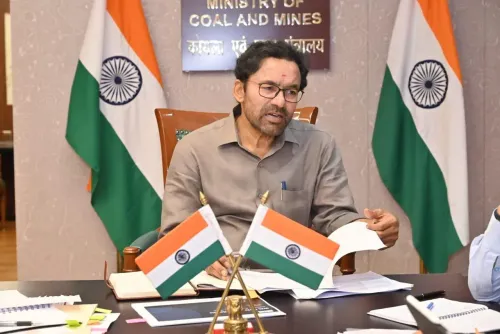
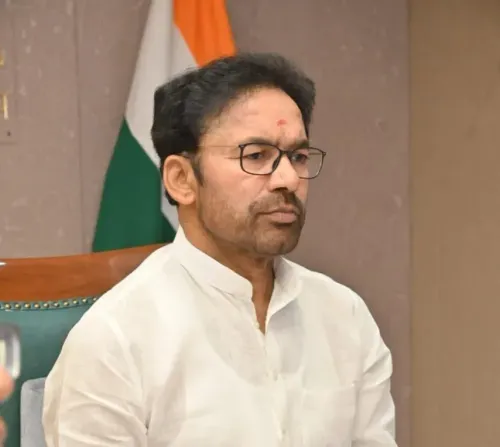
Kishan Reddy Highlights Coal India Rescue Team Drills
Synopsis
Union Coal and Mines Minister G. Kishan Reddy spotlighted Coal India Limited's emergency rescue teams on August 10, 2026, sharing rehearsal footage and underscoring the sector's statutory commitment to mine safety under the Coal Mines Regulations 2017 and DGMS oversight.
Key Takeaways
Kishan Reddy , Union Minister of Coal and Mines, shared a video of Coal India Limited rescue teams conducting emergency rehearsal drills on August 10, 2026 .
Coal India has maintained dedicated mine rescue stations across its coalfields since the nationalisation of coal mines between 1971 and 1973 .
The Coal Mines Regulations 2017 legally mandate rescue operations standards and trained teams at coal mine sites.
The Directorate General of Mines Safety (DGMS) oversees rescue readiness and tracks accident statistics across India's coal sector.
The minister's public messaging aligns with a broader policy emphasis on balancing rapid coal production with statutory worker safety obligations.
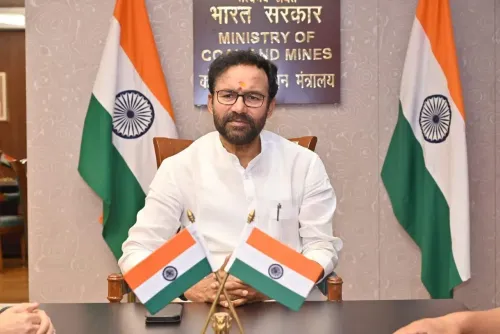
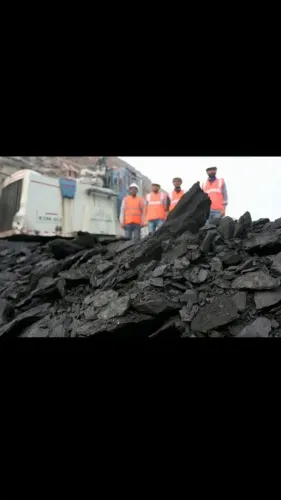
When a mine emergency strikes, the difference between life and death is measured in minutes — and the people standing between disaster and survival are Coal India Limited's dedicated rescue teams. Union Coal and Mines Minister G. Kishan Reddy on Monday, August 10, 2026, shared a video of these teams running through rehearsal operations, putting their skills and preparedness on public display.
Posting to his social media account and tagging both Coal India Limited (@CoalIndiaHQ) and the Ministry of Coal (@CoalMinistry), the minister framed the drills in unambiguous terms: 'Prepared for every challenge, ready for every emergency.' The message was directed as much at India's mining workforce as at the broader public — a signal that the country's largest coal producer takes its statutory safety obligations seriously.
Coal India's Rescue Stations: A Legacy of the Nationalisation Era
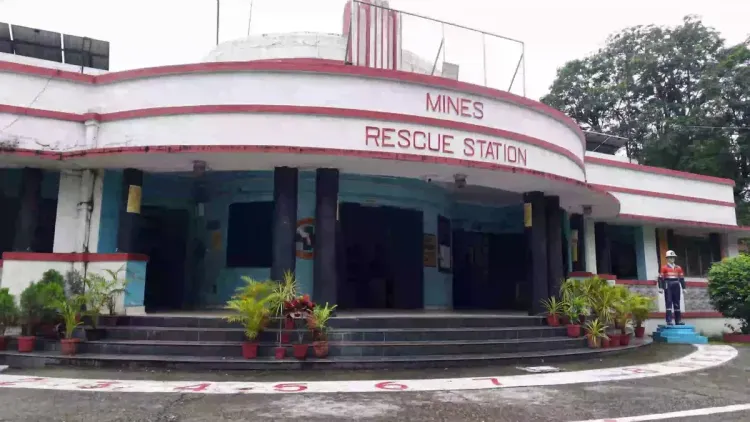
Coal India Limited, a public sector undertaking and the world's largest coal mining company by output, has maintained dedicated rescue stations across its coalfields since the nationalisation of coal mines between 1971 and 1973. These stations are not optional infrastructure — they are a legal requirement, embedded in India's mining safety framework and reinforced by the Coal Mines Regulations 2017, which updated standards for rescue operations and mandated trained teams at mine sites.
Oversight of this system sits with the Directorate General of Mines Safety (DGMS), the central authority that tracks accident statistics, audits rescue readiness, and periodically revises training protocols. Periodic public messaging around rescue drills — like the minister's post today — fits a long-established pattern of the Ministry of Coal signalling its dual commitment to production targets and worker protection.
Safety Messaging in a High-Output Sector
India's coal sector operates under constant pressure to increase output to meet the country's growing energy demands, making safety culture a perennial policy tension. Coal India employs hundreds of thousands of workers across underground and opencast mines, each site carrying its own risk profile. Rescue rehearsals — the kind captured in the minister's video — are the operational backbone of emergency preparedness, training teams in gas detection, breathing apparatus use, and extraction under hazardous conditions.
For the miners who go underground every shift, a well-drilled rescue team is not an abstraction. It is the most concrete guarantee the system can offer.
Point of View
A useful signal ahead of the next DGMS annual report on accident statistics. For a sector where fatal incidents can quickly become political liabilities, proactive safety messaging is both a policy tool and a reputational hedge.
NationPress
10 Aug 2026
Frequently Asked Questions
What did G. Kishan Reddy post about Coal India rescue teams?
On August 10, 2026 , Union Coal and Mines Minister G. Kishan Reddy shared a video of Coal India Limited's rescue teams conducting emergency rehearsal drills, stating the teams are 'prepared for every challenge, ready for every emergency.'
Does Coal India have dedicated mine rescue teams?
Coal India Limited has maintained dedicated rescue stations across its coalfields since the nationalisation of coal mines between 1971 and 1973 . These teams are legally mandated under the Coal Mines Regulations 2017 .
Which body oversees mine safety in India?
The Directorate General of Mines Safety (DGMS) , under the Ministry of Labour and Employment , is the central authority responsible for overseeing mine safety standards, rescue readiness, and accident statistics across India's coal sector.
What are the Coal Mines Regulations 2017?
The Coal Mines Regulations 2017 updated safety standards for India's coal mining industry, including specific provisions for rescue operations, breathing apparatus use, and the mandatory deployment of trained rescue teams at mine sites.
Why do coal mines conduct rescue rehearsals?
Rescue rehearsals train teams in emergency response skills such as gas detection, breathing apparatus operation, and miner extraction under hazardous conditions — capabilities that are critical when real emergencies occur underground.