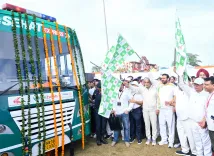
Kishan Reddy Urges Telangana to Join Census 2027 Self-Enumeration
Synopsis
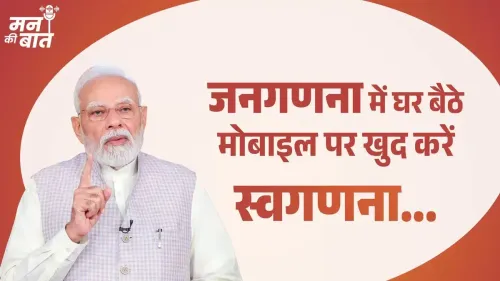
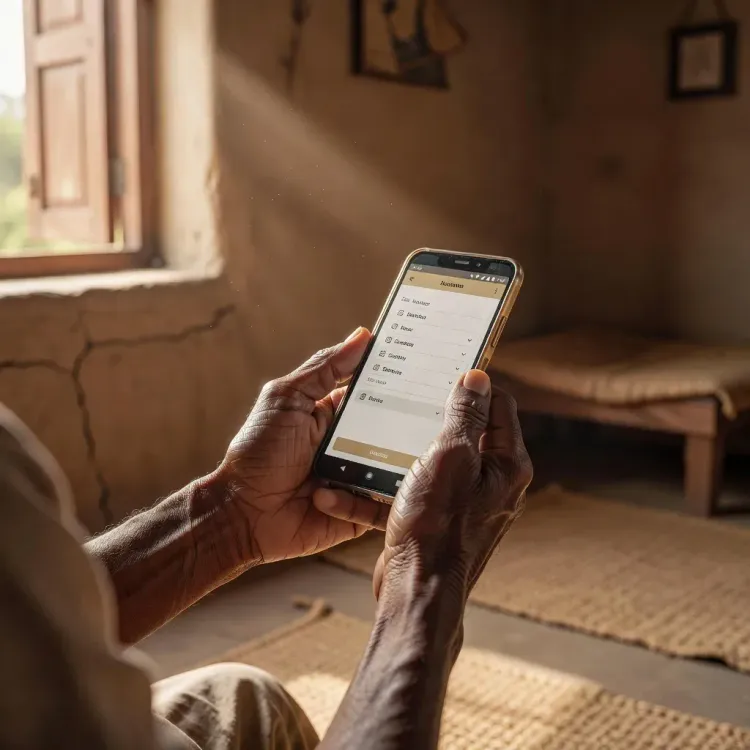
Union Minister G. Kishan Reddy has urged Telangana residents to complete Census 2027 self-enumeration on their mobiles in 15-20 minutes across 16 languages, echoing PM Modi's call on the 138th episode of Mann Ki Baat. India's last census was in 2011.
Key Takeaways
Kishan Reddy , Union Minister of Coal and Mines and BJP Telangana state president, amplified PM Modi's Census 2027 self-enumeration appeal on 27 September 2026 .
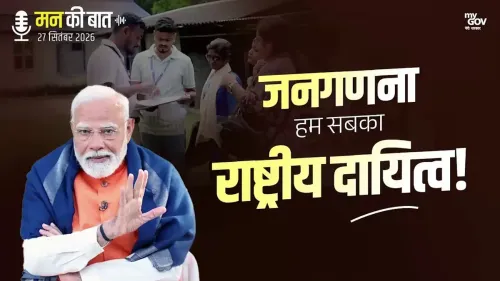
PM Modi raised the census appeal on the 138th episode of Mann Ki Baat , his monthly radio address to citizens.
Self-enumeration can be completed on a mobile phone in 15 to 20 minutes and is available in 16 languages .
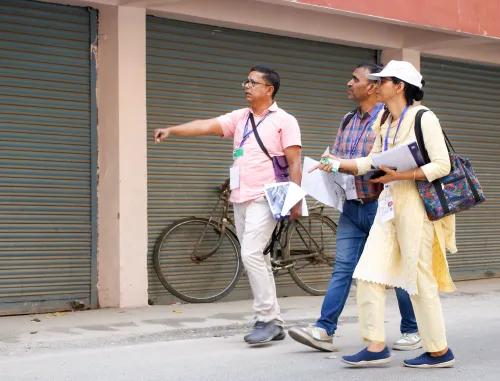
A unique ID is generated upon submission, used by a field enumerator to verify the household data during their visit.
India's last completed census was in 2011 ; the 2021 round was postponed due to the COVID-19 pandemic, making Census 2027 critical for fund allocation, delimitation, and welfare targeting.
India's next census is going digital — and Union Coal and Mines Minister G. Kishan Reddy wants Telangana to lead the way. Amplifying Prime Minister Narendra Modi's appeal on the 138th episode of Mann Ki Baat, Reddy on Sunday, 27 September 2026 called on citizens of the state to complete their self-enumeration for Census 2027 — a process that can now be done on a mobile phone in as little as 15 to 20 minutes.
What Mann Ki Baat's 138th Episode Said About the Census
In the monthly radio address, Prime Minister Modi spotlighted the self-enumeration option as a citizen-friendly gateway into the upcoming census exercise. The process, available in 16 languages, allows residents to fill in their household details independently through a mobile platform. Once submitted, a unique ID is generated, which a government enumerator uses for verification during a subsequent field visit — trimming both paperwork and doorstep time.
Reddy echoed the Prime Minister's call with a direct message: 'I also urge the people of Telangana to spare a little time and complete their self-enumeration.' The appeal carries particular weight given his dual role as Union Minister and BJP Telangana state president, positioning the outreach as both a national governance priority and a state-level mobilisation effort.
Why Census 2027 Is a Bigger Deal Than Usual
India's last completed decennial census was in 2011. The 2021 round was postponed due to the COVID-19 pandemic, leaving planners, economists, and policymakers working off data that is now 15 years old. Census figures directly determine how Finance Commission funds are allocated to states, how parliamentary constituencies are delimitated, and how welfare schemes are targeted to reach the right beneficiaries. A 15-year data gap is not a bureaucratic footnote — it is a policy blind spot with real consequences for millions.
The digital self-enumeration model represents a significant shift from India's traditional census method, which relied entirely on enumerators conducting door-to-door surveys. By enabling citizens to pre-fill their data, the government aims to reduce fieldwork burden, improve accuracy, and accelerate data processing — part of a broader pattern of digitising large-scale administrative exercises.
Telangana's Role in the National Count
With a population spread across 33 districts, Telangana is one of the younger states in the Indian Union but carries significant demographic and political weight. Awareness campaigns at the state level — and the involvement of senior figures like Reddy — signal that the central government is leaning on its regional leadership to drive participation rates before the full-scale enumeration begins.
The self-enumeration window is the first phase citizens will encounter. Getting it right — and getting enough people to use it — will set the tone for the entire Census 2027 exercise. The countdown, evidently, has begun.
Point of View
Not an afterthought. With enumeration data now 15 years stale, every month of delay in the Census 2027 cycle deepens the risk of misallocated welfare funds and outdated delimitation boundaries. Reddy's dual role as Union Minister and state BJP president makes his amplification of the appeal functionally a party-as-governance mobilisation — blurring the line between administrative outreach and political ground-level work in a state where the BJP is building its presence. The 16-language, mobile-first architecture of self-enumeration also quietly signals the Centre's intent to reduce dependence on the traditional enumerator network, whose scale and consistency have historically been uneven.
NationPress
27 Sept 2026
Frequently Asked Questions
What is Census 2027 self-enumeration and how does it work?
Census 2027 self-enumeration allows Indian citizens to fill in their household details on a mobile phone in 15 to 20 minutes, in any of 16 available languages. After submission, a unique ID is generated that a government enumerator uses to verify the data during a follow-up visit.
Why did India skip the 2021 Census?
The 2021 decennial census was postponed due to the COVID-19 pandemic, meaning India's last completed census remains the 2011 exercise. Census 2027 is being conducted to close this 15-year data gap.
What did PM Modi say about Census 2027 on Mann Ki Baat?
In the 138th episode of Mann Ki Baat, PM Narendra Modi urged citizens to participate in self-enumeration for Census 2027, highlighting that the process takes just 15 to 20 minutes on a mobile phone and is available in 16 languages.
Why is G. Kishan Reddy appealing to Telangana for the census?
G. Kishan Reddy is both the Union Minister of Coal and Mines and the BJP Telangana state president. His appeal to Telangana residents to complete self-enumeration reflects his dual role in national governance and state-level party mobilisation.
Why does the Census matter for welfare schemes and state funds?
Census data directly determines how Finance Commission funds are allocated to states, how parliamentary constituencies are delimitated, and how central welfare schemes identify and reach eligible beneficiaries — making accurate, up-to-date data essential for policy planning.