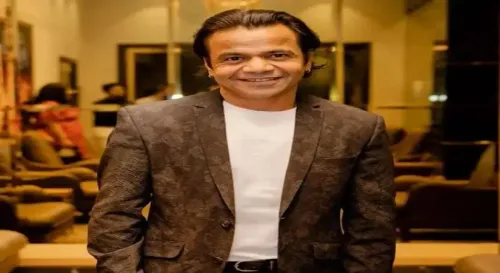
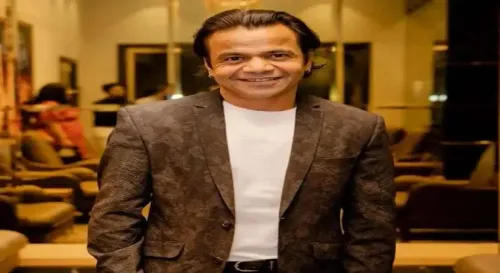
Supreme Court gives Rajpal Yadav last 2 weeks to deposit ₹5 crore in cheque bounce cases

Synopsis
The Supreme Court has run out of patience with Rajpal Yadav — calling his past conduct one that 'does not inspire confidence' before reluctantly granting him a final two-week window to deposit ₹5 crore. With his passport now surrendered and a personal appearance mandated on 5 October, the actor faces the prospect of immediate surrender if he fails again.
Key Takeaways
The Supreme Court granted actor Rajpal Yadav a 'last opportunity' of two weeks to deposit ₹5 crore to avoid surrender in cheque dishonour cases.
The bench, led by CJI Surya Kant , noted that Yadav's past conduct 'did not inspire confidence.' Yadav has been directed to appear personally before the court on 5 October with a demand draft, and to deposit his passport with the registry.
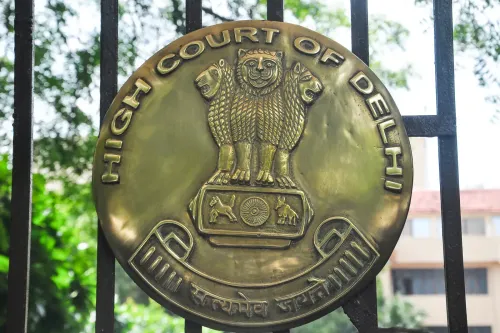
The Delhi High Court had on 10 July upheld his conviction in seven cheque dishonour cases, reducing the sentence to three months and fines to ₹1.05 crore per case.
Yadav's legal team argues that a subsequent consent agreement between parties was not properly considered by lower courts.
The Supreme Court on Tuesday, 15 September 2026, granted actor and comedian Rajpal Yadav a 'last opportunity' of two weeks to comply with its earlier direction to deposit money as a precondition for avoiding surrender in connection with multiple cheque dishonour cases. The next hearing has been scheduled for 5 October.
What the Court Was Told
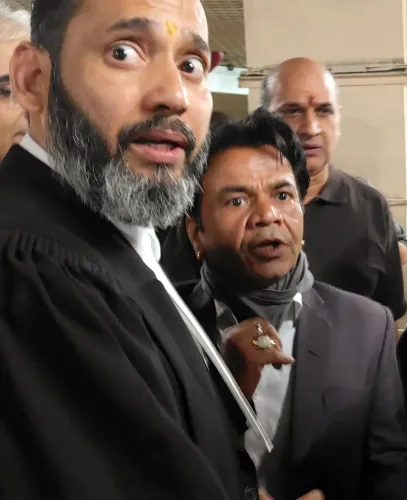
A bench comprising Chief Justice of India (CJI) Surya Kant, Justice Joymalya Bagchi, and Justice V. Mohana was informed that Yadav had not complied with the earlier direction to deposit ₹5 crore with the court's registry. Senior advocate P.S. Patwalia, appearing for Yadav, sought two weeks' time, citing financial difficulties and stating that the actor intended to arrange the amount by selling property.
Patwalia also requested that Yadav be permitted to appear before the apex court with a concrete proposal and deposit at least ₹2 crore as an interim measure.
Court's Sharp Observations
The CJI Kant-led bench noted that Yadav's past conduct 'did not inspire confidence,' but nonetheless extended him one final chance. 'Though the past conduct of the petitioner does not inspire confidence, however, as a last opportunity, two weeks' time is granted to the petitioner to honour the statement,' the court said.
The bench also directed Yadav to remain personally present on 5 October with a demand draft, and ordered him to deposit his passport with the apex court registry. The exemption from surrendering continues until that date, subject to the conditions imposed by the court.
Background: Delhi High Court Conviction
The case stems from seven cheque dishonour cases filed against Yadav and his wife under the Negotiable Instruments Act. The Delhi High Court on 10 July upheld Yadav's conviction while reducing his sentence from six months to three months' simple imprisonment in each of the seven cases. It also reduced the fine from ₹1.60 crore to ₹1.05 crore per case, with substantive sentences directed to run concurrently.
The High Court had factored in payments already made by Yadav to the complainant, M/s Murli Projects Pvt Ltd, during the pendency of the proceedings. Notably, the High Court had earlier dismissed revision petitions filed by Yadav and his wife, citing an extraordinary delay of 1,894 days in challenging the conviction and observing that Yadav had repeatedly failed to honour undertakings given before it.
Yadav's Legal Argument Before the Supreme Court
On 8 September, the Supreme Court had agreed to hear Special Leave Petitions (SLPs) filed by Yadav and his wife challenging the Delhi High Court judgment. The court had at that stage granted them exemption from surrendering, subject to the deposit of ₹5 crore with its registry.
Yadav and his wife contend that a subsequent consent agreement between the parties was not properly considered by the courts below. They have relied on the Supreme Court's ruling in M/s Gimpex Private Limited vs Manoj Goel, arguing that such a subsequent agreement ought to have ended the original complaint proceedings.
What Happens Next
The matter will come up before the Supreme Court on 5 October, when Yadav is required to be personally present with the demand draft. Failure to comply at this stage risks revocation of the surrender exemption. The case is being closely watched as a test of how higher courts calibrate compliance timelines for public figures in cheque dishonour matters.
Point of View
Signalling that judicial patience with Yadav has been exhausted. What is striking is the 1,894-day delay in challenging the original conviction, a figure that courts at every level have noticed. The case also highlights a recurring tension: when a public figure pleads financial hardship before courts while simultaneously seeking to avoid custodial consequences, the credibility of such pleadings is inevitably scrutinised. The 5 October date is less a hearing and more a reckoning — comply or surrender.
NationPress
15 Sept 2026
Frequently Asked Questions
What is the Rajpal Yadav cheque bounce case about?
Rajpal Yadav and his wife were convicted in seven cheque dishonour cases filed by M/s Murli Projects Pvt Ltd under the Negotiable Instruments Act. The Delhi High Court upheld the conviction on 10 July, reducing the sentence to three months' simple imprisonment and fines to ₹1.05 crore per case, with sentences to run concurrently.
Why has the Supreme Court given Rajpal Yadav two weeks?
The Supreme Court granted the extension as a 'last opportunity' after being informed that Yadav had not complied with its earlier direction to deposit ₹5 crore — a precondition for avoiding surrender. His counsel cited financial difficulties and the need to sell property to arrange the funds.
What happens if Rajpal Yadav fails to deposit the money by 5 October?
If Yadav does not comply by the next hearing on 5 October, the exemption from surrendering — currently in force — could be revoked, requiring him to serve the sentence upheld by the Delhi High Court. The court has made clear this is a final chance.
What is Rajpal Yadav's legal argument before the Supreme Court?
Yadav and his wife contend that a subsequent consent agreement between the parties was not properly considered by the lower courts. They have relied on the Supreme Court's ruling in M/s Gimpex Private Limited vs Manoj Goel, arguing that such an agreement should have ended the original complaint proceedings.
Why was Rajpal Yadav asked to surrender his passport?
The Supreme Court directed Yadav to deposit his passport with its registry as an additional compliance condition, likely to prevent travel abroad given the court's noted concerns about his past conduct and non-compliance with earlier orders.