Maharashtra Declares Drought in 265 Talukas, CM Fadnavis Announces Relief
Synopsis
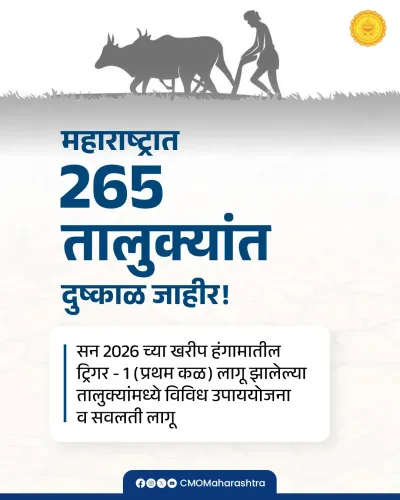
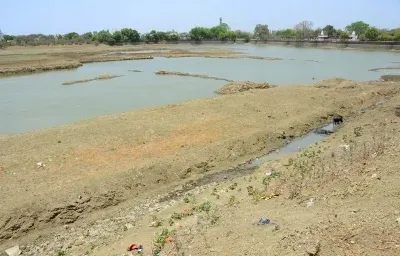
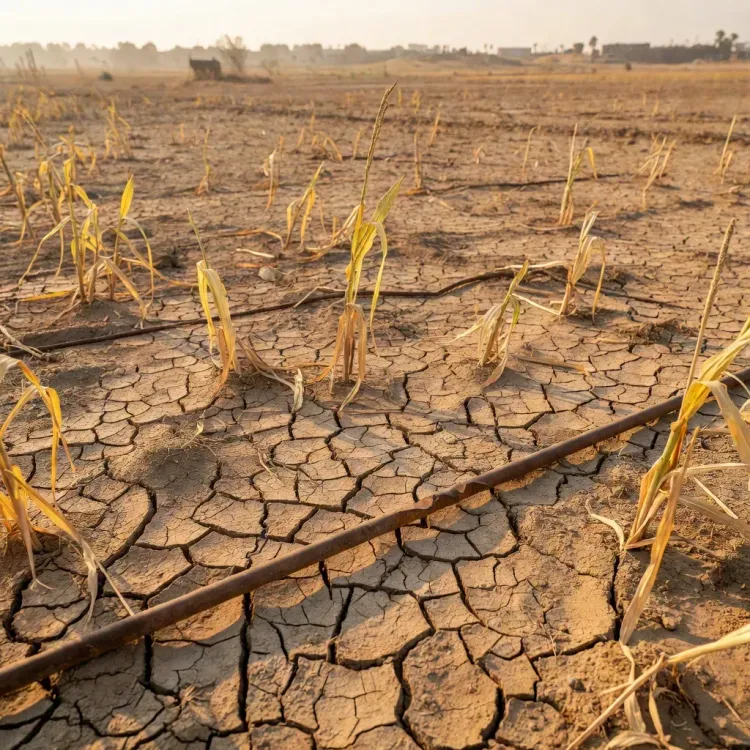
The Maharashtra government has declared drought in 265 talukas across 32 districts following Kharif 2026 rainfall deficits triggering Trigger-1 under the Drought Management Code 2016. CM Devendra Fadnavis has announced land revenue exemptions, loan restructuring, electricity bill waivers, and employment scheme relaxations, with crop-damage surveys now ordered to determine compensation.
Key Takeaways
265 talukas across 32 districts of Maharashtra have been officially declared drought-affected for Kharif 2026.
The declaration is based on Trigger-1 under the Drought Management Code 2016 , confirmed by the Agriculture Commissioner's report.
Immediate relief includes land revenue exemptions, crop loan restructuring, agricultural electricity bill waivers, and exam fee waivers for students.
District Collectors have been ordered to begin panchnama surveys with GPS-tagged crop photographs immediately.
Employment Guarantee Scheme eligibility norms will be relaxed to maximise worksites; tanker water and fodder supply will be arranged where needed.
Crop damage compensation amounts will be announced via a separate Government Resolution after surveys are completed.
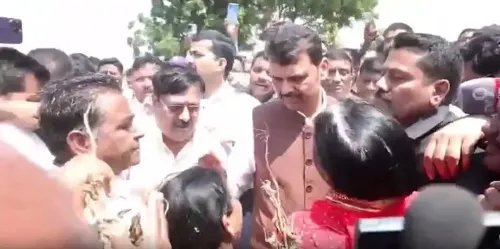
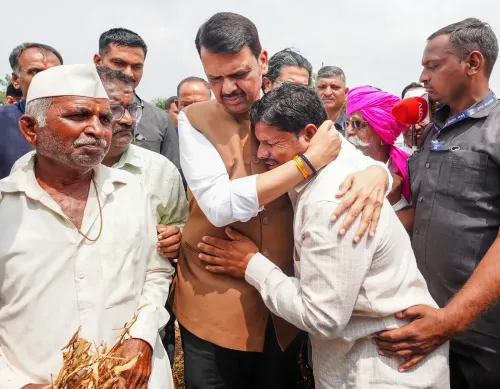
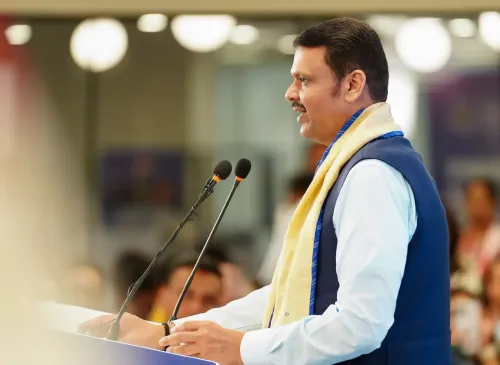
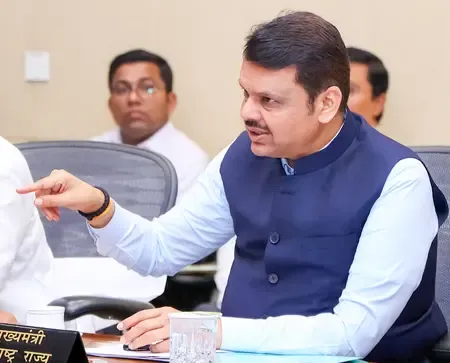
A rainfall deficit severe enough to trigger Maharashtra's formal drought-declaration mechanism has pushed the state government to act — covering 265 talukas across 32 districts and unleashing a sweeping package of exemptions and relief measures for farmers and agricultural labourers as of Saturday, 26 September 2026. The Chief Minister's Office of Maharashtra confirmed the move, with Chief Minister Devendra Fadnavis pledging: 'Farmers, farm labourers, and working people of the state are at the centre of our relief efforts — we stand firmly behind them.'
Trigger-1 fires: what the 2016 Drought Code says
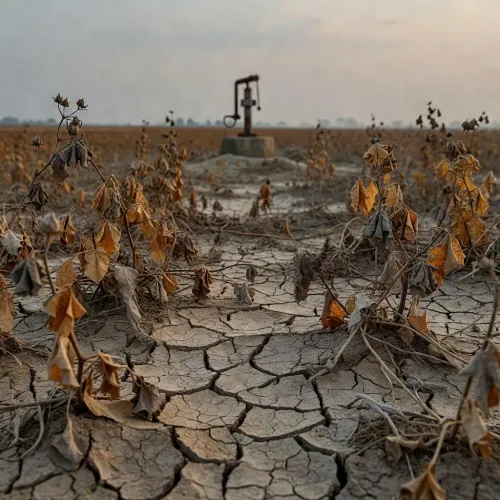
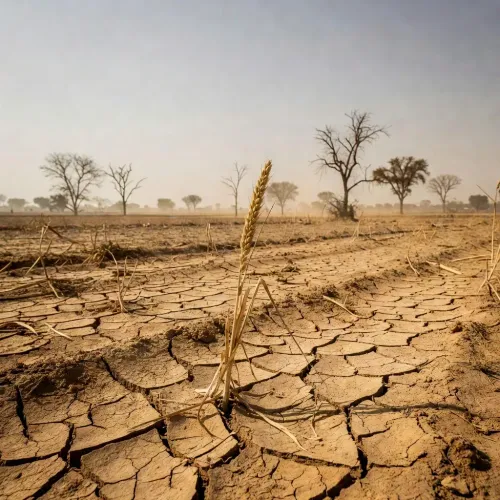
Under Maharashtra's Drought Management Code 2016, drought relief kicks in through a tiered trigger system. When 'Trigger-1' — the first-level alert tied to defined rainfall-deficit and crop-condition thresholds — is met, the state is legally empowered to declare drought and activate mandatory relief protocols. A report from the Agriculture Commissioner confirmed that Kharif 2026 rainfall shortfalls and other drought indicators tripped Trigger-1 across 265 talukas, prompting the Relief and Rehabilitation Department to issue a formal Government Resolution.
The code, established a decade ago, was designed precisely to replace ad-hoc responses with an evidence-based, survey-driven framework — and Saturday's order is its latest activation in a state where Marathwada, Vidarbha, and pockets of western Maharashtra have faced recurring monsoon stress.
What the 265-taluka relief package actually covers
The Government Resolution translates the drought declaration into an immediate, multi-pronged relief bundle. Farmers in affected talukas will receive land revenue exemptions, restructuring of crop loans, and a stay on recovery of agriculture-linked debt. Agricultural pump electricity bills will be waived for the current period, and power connections to farm pumps in scarcity-declared villages will not be disconnected.
Exam fee waivers for school and college students in drought-hit talukas have also been included — a recognition that rural distress extends beyond the field. The state will relax eligibility norms under the Employment Guarantee Scheme to maximise worksites, and tanker water supply will be deployed where needed. Fodder availability for livestock and assured food-grain access for farmers and farm labourers complete the package.
Parallel orders direct district authorities to launch water-conservation works and plan drinking-water logistics for both humans and animals through the lean season ahead.
32 districts, one survey clock now ticking
The affected districts span Maharashtra's most drought-prone belts: Beed, Latur, Dharashiv, Nanded, Parbhani, Hingoli, Buldhana, Amravati, Akola, Washim, Yavatmal, Wardha, Nagpur, Bhandara, Raigad, Ratnagiri, Sindhudurg, Nashik, Dhule, Jalgaon, Nandurbar, Ahmednagar (Ahilyanagar), Pune, Solapur, Sangli, Satara, Kolhapur, Chhatrapati Sambhajinagar, Jalna, Gondia, Chandrapur, and Gadchiroli.
District Collectors in each of these areas have been instructed to begin panchnama (official crop-damage surveys) immediately. Field teams will collect GPS coordinates and photographs of standing crops to build an objective damage report that the Agriculture Commissioner will submit to the government. That report will form the evidentiary basis for the next — and arguably most critical — step: a separate Government Resolution announcing actual compensation amounts for crop losses.
Compensation order still to come — the next 30 days matter most
Saturday's declaration activates relief infrastructure, but the money farmers will receive for crop damage remains contingent on completing the survey process and passing a fresh cabinet-level order. The pace of panchnamas, the accuracy of GPS-tagged field data, and the speed of the Agriculture Commissioner's consolidated report will determine whether compensation reaches rural households before the harvest season's financial pressure peaks.
Maharashtra has walked this road before — Marathwada and Vidarbha farmers know the gap between a drought declaration and a cheque can swallow months. The Fadnavis government's credibility on farmer welfare now rides on closing that gap faster than its predecessors.
Point of View
The Fadnavis government is leaning hard on the Drought Management Code 2016's process-driven legitimacy to insulate itself from accusations of delay. Covering 32 districts — including the chronically stressed Marathwada and Vidarbha belts — in a single order is unusually broad and reflects the scale of this monsoon's failure. The real test, however, will be the speed and fairness of the compensation GR that follows the panchnamas; historically, that gap has defined whether drought relief translates into votes or grievance. If the survey-to-cheque pipeline moves in weeks rather than months, the BJP-led government earns a genuine credibility dividend on its flagship farmer-welfare positioning.
NationPress
26 Sept 2026
Frequently Asked Questions
Which districts are affected by Maharashtra's 2026 drought declaration?
A total of 32 districts are covered, including Beed, Latur, Dharashiv, Nanded, Parbhani, Hingoli, Buldhana, Amravati, Akola, Washim, Yavatmal, Wardha, Nagpur, Bhandara, Raigad, Ratnagiri, Sindhudurg, Nashik, Dhule, Jalgaon, Nandurbar, Ahilyanagar, Pune, Solapur, Sangli, Satara, Kolhapur, Chhatrapati Sambhajinagar, Jalna, Gondia, Chandrapur, and Gadchiroli.
What relief will Maharashtra farmers get under the drought declaration?
Farmers in the 265 affected talukas will receive land revenue exemptions, crop loan restructuring, a stay on agriculture-debt recovery, waiver of current agricultural pump electricity bills, and access to employment under a relaxed Employment Guarantee Scheme. Crop-damage compensation amounts will be announced separately after official surveys.
What is Trigger-1 under the Maharashtra Drought Management Code 2016?
Trigger-1 is the first-level alert threshold under Maharashtra's Drought Management Code 2016. When rainfall deficits and other crop-condition indicators cross defined limits, Trigger-1 is activated, legally empowering the state to declare drought and initiate mandatory relief measures.
When will Maharashtra farmers receive compensation for crop damage?
Crop damage compensation will be announced through a separate Government Resolution after panchnama surveys — which include GPS-tagged photographs of standing crops — are completed and the Agriculture Commissioner submits a consolidated damage report to the government.
What is a panchnama in the context of Maharashtra drought relief?
A panchnama is an official ground-level survey conducted by revenue and agriculture officials to document and verify crop damage. In the current drought declaration, District Collectors have been ordered to begin panchnamas immediately, and the findings will determine the scale of farmer compensation.