Maize prices up 55% in Namakkal, squeezing egg production costs
Synopsis
Maize prices in Namakkal — India's egg capital — have surged 50–55% in a short span, driven by rainfall failures and El Niño disruptions in key growing belts. With maize making up over 40% of poultry feed and adult birds needing 55 grams of grain daily, there is no room for farmers to cut back. The cost pressure is mounting, and if it sustains, retail egg prices nationally could feel the strain.
Key Takeaways
Maize prices in Namakkal, Tamil Nadu have risen from ₹22 per kg to ₹33–₹34 per kg , a jump of 50–55% .
The price surge is linked to inadequate rainfall and El Niño effects on maize cultivation in key supply belts including Attur , Pethanaickenpalayam , and Kallakurichi .
Maize accounts for more than 40% of poultry feed composition and influences both nutrition and egg yolk colour.
An adult bird consumes roughly 110 grams of feed daily, of which nearly 55 grams is grain — primarily maize — leaving no room to reduce procurement.
The additional cost is up to ₹12 per kg of maize, significantly raising per-egg production costs for farmers in one of India's largest egg-producing districts.
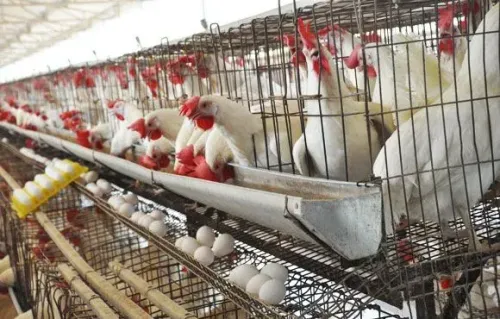
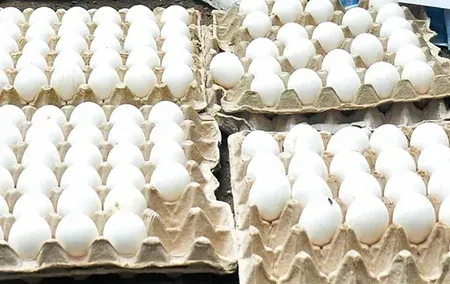
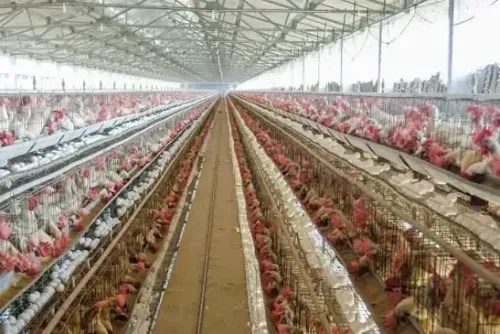
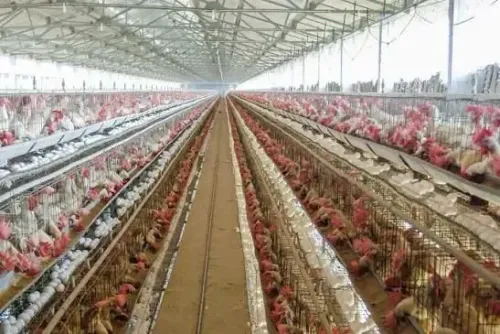
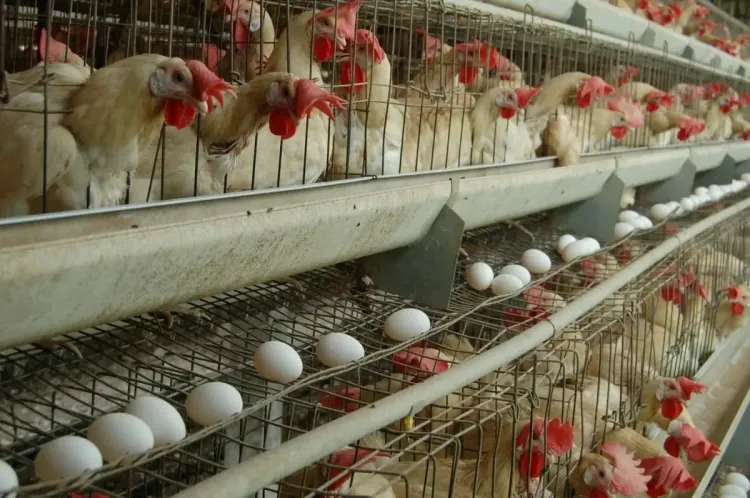
A sharp rise in maize prices has driven up poultry feed costs in Namakkal, Tamil Nadu, one of India's largest egg-producing hubs, leaving farmers grappling with higher expenditure and tightening supplies of a critical feed ingredient. The price of maize has surged from roughly ₹22 per kg to ₹33–₹34 per kg — an increase of approximately 50–55% — significantly straining farm economics across the district.
Why Maize Prices Have Surged
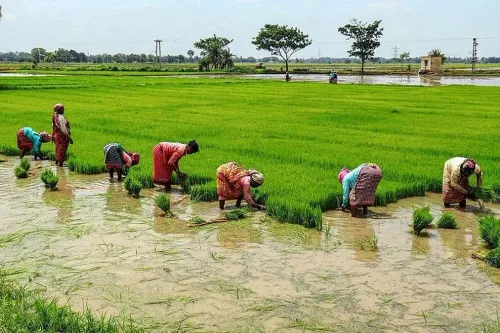
Poultry farmers in Namakkal attribute the spike to reduced supplies from key maize-growing belts, including Attur, Pethanaickenpalayam, and Kallakurichi, which traditionally supply the district's feed mills. Inadequate rainfall in these cultivation zones, compounded by the broader effects of El Niño on agricultural output, has sharply curtailed the quantity of maize reaching the market.
The shortfall has tightened procurement channels for farmers who depend on steady, high-volume purchases to sustain daily feed production — an operational necessity that cannot be deferred.
Why Maize Is Indispensable to Poultry Farming
Maize and soya are the two principal ingredients in commercial poultry feed. Maize alone accounts for more than 40% of feed composition, making price volatility in the grain a direct and significant driver of overall farm costs. Beyond nutrition, maize also influences the colour of egg yolks — a quality attribute that poultry producers and consumers both regard as a marker of freshness and feed quality.
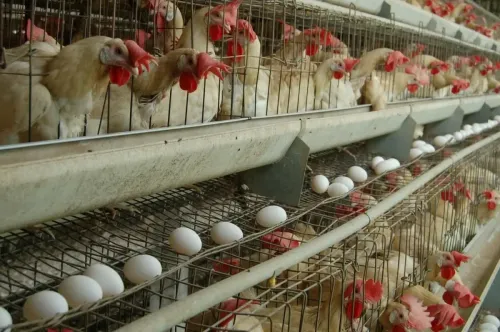
An adult bird consumes roughly 110 grams of feed daily, of which nearly 55 grams consists of grains, predominantly maize. With large flocks requiring uninterrupted feeding, there is no practical scope for farmers to cut back on procurement, even as prices climb.
Financial Impact on Namakkal Farmers
The price jump from ₹22 to as much as ₹34 per kg represents an additional outlay of up to ₹12 for every kilogram of maize purchased. At the scale at which Namakkal's farms operate — the district is among the country's largest poultry production centres — this incremental cost compounds rapidly across thousands of birds and millions of eggs.
Higher maize expenditure cascades directly into the cost of preparing poultry feed, which in turn raises the per-unit cost of egg production. Farmers say the combination of constrained supply and elevated prices has made it significantly harder to manage daily operations without absorbing losses.
Broader Context and What Comes Next
This comes amid wider concerns about weather-related disruptions to agricultural supply chains across southern India. Namakkal's egg output has national relevance — the district supplies eggs to multiple states — meaning a sustained cost squeeze here can ripple into retail egg prices across the country.
Industry representatives are closely monitoring the next cropping cycle in maize-growing regions. A recovery in rainfall and a return of adequate supply could ease prices, but as long as El Niño conditions persist, procurement uncertainty is likely to remain a challenge for the sector.
Point of View
Which means a sustained cost squeeze at the farm level will eventually show up in urban retail prices. What is striking here is the double bind: farmers cannot reduce feed quantities because birds must eat daily, yet procurement costs have risen 55% with no near-term supply relief in sight. The El Niño attribution also points to a structural vulnerability — Indian poultry's dependence on a single grain without adequate buffer-stocking or price-stabilisation mechanisms means every weather shock becomes a farm-economics crisis. The government's response, or absence of one, deserves scrutiny.
NationPress
15 Nov 2026
Frequently Asked Questions
Why have maize prices risen sharply in Namakkal?
Maize prices in Namakkal have risen approximately 50–55% — from around ₹22 per kg to ₹33–₹34 per kg — due to reduced supplies from key growing regions such as Attur, Pethanaickenpalayam, and Kallakurichi. Inadequate rainfall and the effects of El Niño on cultivation are the primary drivers cited by poultry farmers.
How does the maize price hike affect egg production costs?
Maize constitutes more than 40% of poultry feed composition, making it the single largest cost input. As maize prices rise, the cost of preparing feed increases directly, which in turn raises the per-unit cost of producing eggs. At scale, an extra ₹12 per kg of maize represents a substantial financial burden for Namakkal's large poultry operations.
Why is Namakkal significant for egg production in India?
Namakkal in Tamil Nadu is one of India's largest poultry and egg-producing hubs, supplying eggs to multiple states across the country. Any sustained disruption to production economics there can have a wider impact on national egg availability and retail prices.
What role does maize play beyond nutrition in poultry farming?
Beyond serving as the dominant energy source in poultry feed — accounting for over 40% of its composition — maize also contributes to the colour of egg yolks, which is a quality indicator for both producers and consumers. This makes it effectively irreplaceable in standard feed formulations.
Is there any near-term relief expected for poultry farmers?
Relief depends on a recovery in rainfall and improved cropping conditions in Tamil Nadu's maize-growing belts. As long as El Niño-related weather disruptions persist, procurement uncertainty and elevated prices are likely to continue, with no immediate supply-side fix in sight, according to industry representatives.