Mandaviya Highlights 12 Years of India's Infrastructure Push
Synopsis
Union Minister Mansukh Mandaviya has spotlighted 12 years of infrastructure growth under the Modi government, pointing to flagship programmes like Bharatmala, the National Infrastructure Pipeline, and PM Gati Shakti as evidence of an accelerated construction record since 2014.
Key Takeaways
Mansukh Mandaviya posted on X on 6 August 2026 highlighting 12 years of infrastructure growth under the Modi government.
The Bharatmala Pariyojana , approved in 2017 , targets construction and upgradation of approximately 34,800 km of roads .
The National Infrastructure Pipeline , launched in 2019 , earmarked over Rs 111 lakh crore in investment across transport and energy sectors.
The PM Gati Shakti National Master Plan ( 2021 ) integrates planning across ministries to reduce project delays.
The post comes as Bharatmala Phase-II faces parliamentary scrutiny and the next Union Budget's capital outlay figures are awaited.
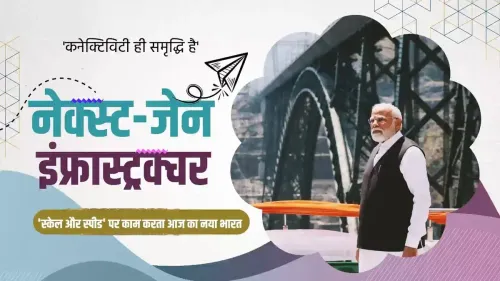
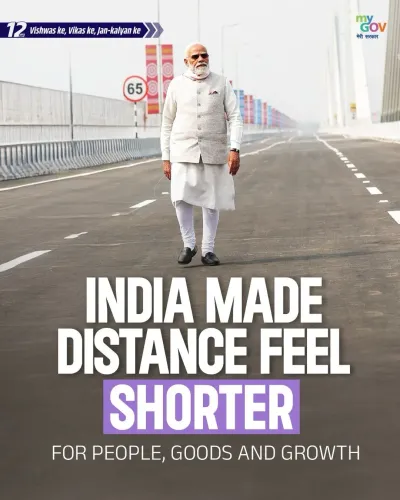
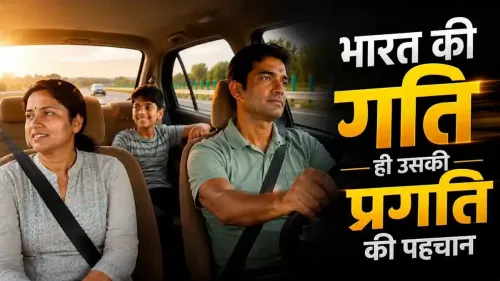
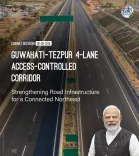
Twelve years of highways, airports, and railways — and Union Labour and Sports Minister Mansukh Mandaviya wants every Indian to see the scoreboard. On Thursday, 6 August 2026, the senior BJP leader posted on X, asking pointedly: 'What does 12 years of unstoppable infrastructure growth look like?'
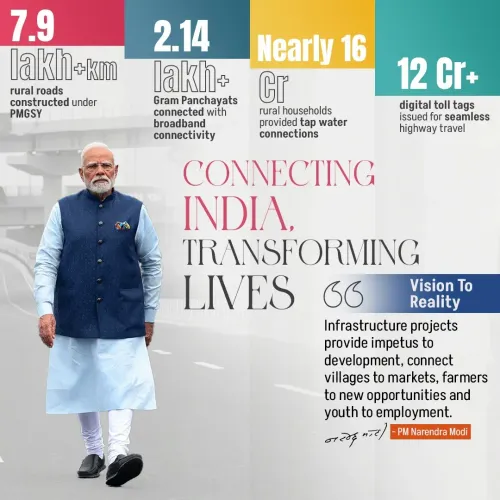
The question is rhetorical, but the policy record behind it is not. Since May 2014, when Prime Minister Narendra Modi first took office, successive Union Budgets have steadily raised capital expenditure on roads, railways, and airports — treating physical infrastructure as the primary engine of growth and job creation. Mandaviya's post lands squarely in that established communication pattern, marking what the ruling dispensation frames as a 12-year arc of accelerated construction.
From Bharatmala to Gati Shakti: The Building Blocks
The scaffolding for this narrative was assembled in stages. The Bharatmala Pariyojana, approved by the Union Cabinet in 2017, set out to construct and upgrade approximately 34,800 km of roads across states — one of the largest highway programmes in Indian history. It was followed in 2019 by the National Infrastructure Pipeline, a five-year investment plan targeting over Rs 111 lakh crore across transport, energy, and urban infrastructure. Then, in 2021, the PM Gati Shakti National Master Plan attempted to knit it all together — a single digital platform integrating planning across multiple ministries to cut project delays and eliminate coordination gaps. Officially, the government has consistently cited faster project-completion rates and higher lane-kilometres added annually compared with the pre-2014 period. Mandaviya's post invokes that cumulative record, framing the 12-year span as a continuous, unbroken upward curve.Why the Messaging Matters Now
The timing is deliberate. With Bharatmala Phase-II implementation under parliamentary scrutiny and the next Union Budget's capital expenditure targets awaited, the BJP's communication machinery has a clear interest in anchoring public perception around what has already been built. A senior Cabinet minister amplifying the infrastructure story on social media is part of a coordinated effort to shape that baseline before the next round of targets — and debates about whether they were met — arrives. For logistics operators, infrastructure developers, and the millions of workers whose livelihoods track construction activity, the stakes in that debate are entirely concrete: more lane-kilometres means more contracts, more movement, more jobs. The scoreboard Mandaviya is pointing to is also the one his critics will audit. India built it. Now comes the reckoning over whether it was enough — and what gets built next.Point of View
The messaging attempts to make the cumulative record feel irreversible and self-evident, pre-empting criticism about delays or cost overruns. The timing, ahead of expected Budget and Bharatmala Phase-II scrutiny, suggests the party is shoring up its infrastructure credentials before those debates sharpen. Whether the record withstands that audit will determine whether the narrative holds.
NationPress
6 Aug 2026
Frequently Asked Questions
What is Bharatmala Pariyojana and how much has been completed?
Bharatmala Pariyojana is a Union government highway development programme approved in 2017 to construct and upgrade approximately 34,800 km of roads across India. It is one of the largest road-building initiatives in the country's history. Phase-II implementation details remain under parliamentary review as of 2026.
What is the National Infrastructure Pipeline?
The National Infrastructure Pipeline is a five-year investment plan announced in 2019 targeting over Rs 111 lakh crore in spending across roads, railways, energy, and urban infrastructure to accelerate economic growth.
What is PM Gati Shakti and what does it do?
PM Gati Shakti is a National Master Plan launched in 2021 that uses a digital platform to integrate infrastructure planning across multiple central ministries, aiming to reduce project delays caused by poor inter-agency coordination.
Why is Mansukh Mandaviya talking about infrastructure when he is the Labour and Sports Minister?
As a senior BJP Cabinet minister, Mansukh Mandaviya routinely amplifies the party's broader governance record on social media, not just his own portfolio. Infrastructure messaging is a central plank of the BJP's political communication, and Cabinet ministers participate in that effort collectively.
What comes next for India's infrastructure programme?
Key things to watch include capital expenditure targets in the next Union Budget and the parliamentary review of Bharatmala Phase-II implementation, which will test whether the government's completion claims hold up to scrutiny.