SAARC stalled by one country, everyone knows who: MEA
Synopsis
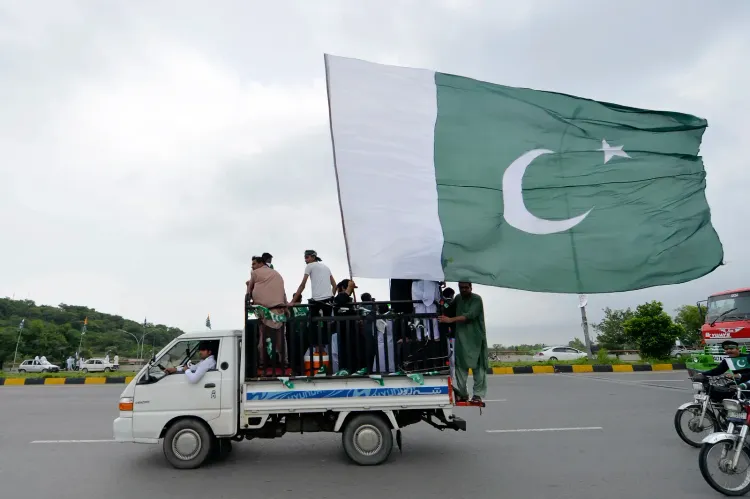
India's MEA didn't name Pakistan — it didn't need to. In a pointed response to Maldives President Muizzu's call to revive SAARC, spokesperson Randhir Jaiswal said 'everyone in South Asia' knows which country has stalled the bloc. With SAARC frozen since 2016 and Pakistan raising Kashmir at yet another multilateral forum, New Delhi's message is clear: goodwill is the missing ingredient.
Key Takeaways
MEA spokesperson Randhir Jaiswal on 28 July said every South Asian nation knows which country has stymied SAARC , in an implicit reference to Pakistan .
Maldivian President Mohamed Muizzu called on SAARC member states to return to dialogue during Maldives' 61st Independence Day ceremony, offering Male as a mediator.
SAARC has been effectively frozen since 2016 , when India pulled out of the 19th Summit in Islamabad after the Uri terrorist attack .
India also rejected Pakistan FM Ishaq Dar's remarks on Kashmir and the Indus Waters Treaty at the ASEAN Regional Forum in Manila as 'baseless and unwarranted.' New Delhi accused Pakistan of 'cynically exploiting' multilateral forums to spread 'state-sponsored disinformation.'
India's Ministry of External Affairs (MEA) on Tuesday, 28 July delivered a pointed, if unnamed, indictment of Pakistan, asserting that every nation in South Asia knows which country and its activities have blocked the functioning of SAARC. The statement came in direct response to Maldivian President Mohamed Muizzu's recent appeal for member states to revive regional dialogue.
What the MEA Said
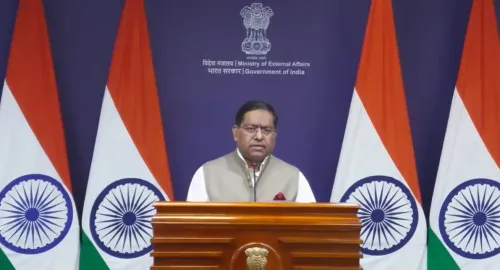
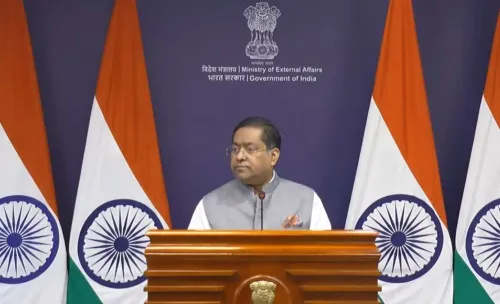
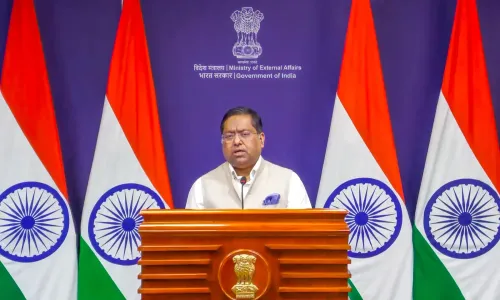
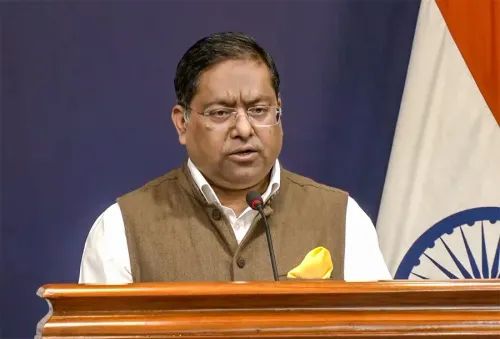
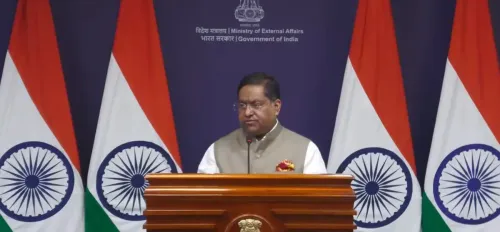
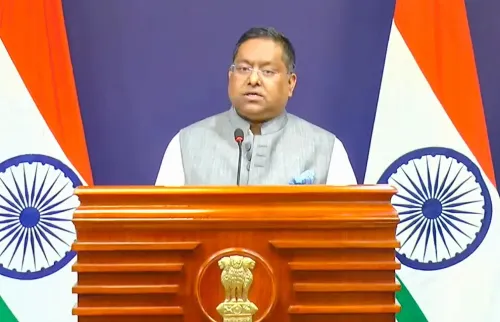
MEA spokesperson Randhir Jaiswal, speaking at his bi-weekly media briefing in New Delhi, was unequivocal: 'India has made its position very clear regarding regional cooperation. India favours strong regional cooperation and has been working towards it for several decades now. Everyone in South Asia is aware of which country and what activities are responsible for stymying SAARC. After all, cooperation does require goodwill.'
The remarks were measured but unmistakable in their target — New Delhi's long-standing charge that Pakistan's sponsorship of cross-border terrorism has rendered the regional bloc dysfunctional.
Muizzu's Call for SAARC Revival
President Muizzu made the appeal during Maldives' 61st Independence Day ceremony, urging SAARC member states to return to the negotiating table in the interest of regional peace. He indicated that Male stands ready to serve as a mediator — a signal of the island nation's ambition to play a more active diplomatic role in South Asian affairs.
SAARC: A Bloc Frozen Since 2016
The South Asian Association for Regional Cooperation (SAARC) was founded in Dhaka on 8 December 1985, bringing together eight member nations — Afghanistan, Bangladesh, Bhutan, India, Maldives, Nepal, Pakistan, and Sri Lanka — with the aim of fostering economic development, cultural exchange, and regional stability.
The organisation has been effectively paralysed since 2016, when India pulled out of the 19th SAARC Summit in Islamabad following the Uri terrorist attack. No summit has been convened since, and multiple attempts at scheduling one have collapsed amid persistent India-Pakistan tensions.
Pakistan's Pattern at Multilateral Forums
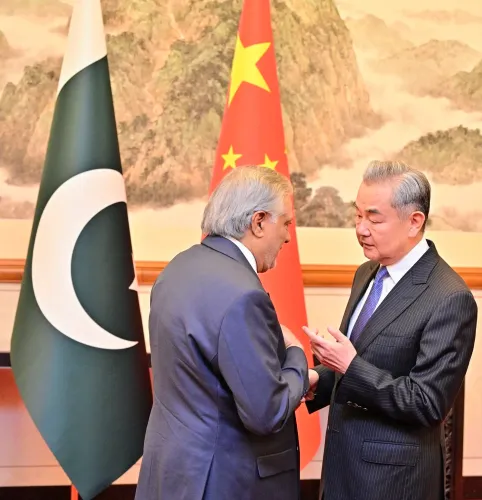
The MEA statement also referenced a separate confrontation from the previous week, when India sharply rejected comments made by Pakistan's Deputy Prime Minister and Foreign Minister Ishaq Dar at the 33rd Regional Forum of the Association of Southeast Asian Nations (ASEAN) in Manila. Dar had raised the issues of Kashmir and the Indus Waters Treaty (IWT), which New Delhi described as 'baseless and unwarranted.'
Jaiswal said in response to those remarks: 'It is no surprise that a multilateral forum has once again been cynically exploited by Pakistan to amplify falsehoods, peddle state-sponsored disinformation, and divert attention from its own well-documented record of sponsoring cross-border terrorism.'
India characterised the intervention as a 'futile attempt' by the Pakistani establishment to deflect attention from its internal crisis and its role as a haven for global terrorist networks.
What Comes Next
With the Maldives now publicly positioning itself as a potential mediator, pressure may build on SAARC members to address the impasse — but New Delhi's position remains firm: meaningful regional cooperation is contingent on goodwill, and that, in India's assessment, is precisely what is missing. Whether Muizzu's initiative gains traction will depend on how other member states respond in the weeks ahead.
Point of View
Which had tilted toward China under Muizzu's early presidency, is now positioning itself as a regional peacemaker, which itself signals a recalibration toward a more balanced South Asian role. New Delhi's response was careful not to shut the door on SAARC revival, but its 'goodwill' condition is effectively a veto as long as the Pakistan question remains unresolved. The deeper issue mainstream coverage misses: SAARC's paralysis has pushed India toward BIMSTEC as its preferred regional vehicle — and every passing year without a SAARC summit makes that pivot more permanent.
NationPress
27 Oct 2026
Frequently Asked Questions
What did India's MEA say about SAARC being stalled?
MEA spokesperson Randhir Jaiswal said on 28 July that everyone in South Asia is aware of which country and what activities have been responsible for stymying SAARC, adding that cooperation requires goodwill. The statement was a pointed, if unnamed, reference to Pakistan's role in blocking the bloc's functioning.
Why has SAARC been inactive since 2016?
SAARC has not held a summit since 2016, when India pulled out of the 19th SAARC Summit scheduled in Islamabad following the Uri terrorist attack. India has consistently cited Pakistan's sponsorship of cross-border terrorism as the reason for the bloc's paralysis.
What did Maldivian President Muizzu propose regarding SAARC?
President Mohamed Muizzu called on SAARC member states to return to the negotiating table during Maldives' 61st Independence Day ceremony. He indicated that Male is willing to serve as a mediator to help resolve the current impasse within the regional grouping.
What is SAARC and who are its members?
SAARC, the South Asian Association for Regional Cooperation, was founded in Dhaka on 8 December 1985 to promote economic development, cultural exchange, and regional stability. Its eight member states are Afghanistan, Bangladesh, Bhutan, India, Maldives, Nepal, Pakistan, and Sri Lanka.
What happened at the ASEAN Regional Forum in Manila involving Pakistan?
Pakistan's Deputy Prime Minister and Foreign Minister Ishaq Dar raised the issues of Kashmir and the Indus Waters Treaty at the 33rd ASEAN Regional Forum in Manila. India rejected the remarks as 'baseless and unwarranted,' accusing Pakistan of exploiting the multilateral forum to spread state-sponsored disinformation.