Megh Pyne Abhiyan: Rainwater harvesting tackles Bihar-Dhanbad water crisis

Synopsis
In flood-prone north Bihar and Dhanbad, where handpump water is laced with arsenic and iron, Megh Pyne Abhiyan is bypassing the contaminated aquifer entirely — catching rain on rooftops and resurrecting century-old wells. It is a low-tech answer to a high-stakes public health problem, and it may be the most scalable water model the Ganga plains have seen.
Key Takeaways
Megh Pyne Abhiyan , led by advocate Eklavya Prasad , is installing rooftop rainwater harvesting systems in rural and flood-affected areas of north Bihar and Dhanbad .
Collected rainwater is stored in specially designed tanks, providing clean drinking water throughout the year including during scarcity periods.
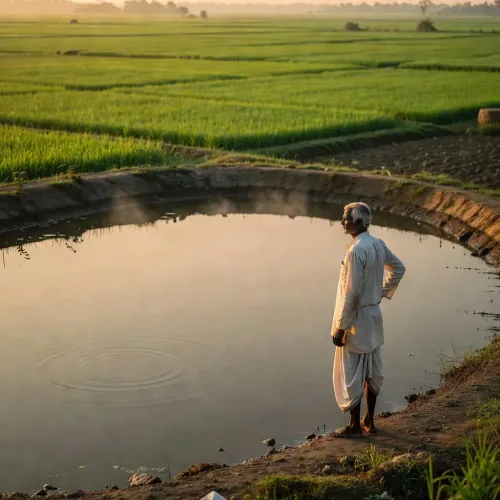
The campaign is also reviving abandoned traditional wells to recharge groundwater and supply potable water to local communities.
Groundwater drawn from handpumps in several areas reportedly contains harmful levels of arsenic and iron , making alternative sources a public health priority.
Prasad has called on households, schools, offices, and institutions to adopt rainwater harvesting as a collective social responsibility.
Megh Pyne Abhiyan, a grassroots water conservation campaign, is deploying rooftop rainwater harvesting systems and reviving abandoned traditional wells across north Bihar and Dhanbad to counter a deepening water security crisis, according to Eklavya Prasad, a leading advocate of the initiative. The campaign addresses twin threats — chronic water scarcity and groundwater contamination from arsenic and iron — that affect tens of thousands of residents in flood-prone rural communities.
What the Campaign Is Doing
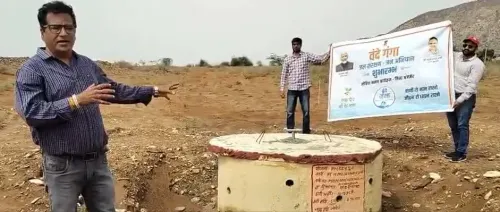
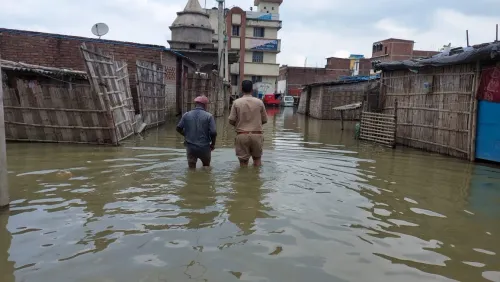
Rooftop rainwater harvesting units are being installed in rural and flood-affected zones of north Bihar, with collected water stored in purpose-built tanks that provide clean drinking water year-round — including during dry spells when conventional sources run dry. The decentralised storage model is designed to make communities self-reliant rather than dependent on centralised infrastructure that often fails during floods.
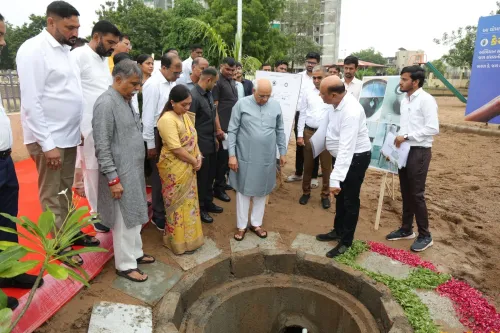
Alongside new installations, the campaign is systematically restoring old and abandoned wells that had fallen out of use over decades. According to Prasad, reviving these traditional water structures is recharging groundwater levels and providing an additional potable water source for local residents — a low-cost, culturally familiar solution that complements modern harvesting techniques.
The Contamination Problem Driving Urgency
Groundwater extracted via handpumps in several parts of the region reportedly contains dangerous levels of arsenic and iron, posing documented health risks to communities that have no alternative source. This contamination issue makes surface rainwater harvesting — which bypasses the affected aquifer — a particularly practical intervention. The campaign positions traditional water body revival not as nostalgia but as a measurable public health response.
The Call for Collective Action
Prasad has urged households, schools, offices, and public institutions to adopt rainwater harvesting as a standard practice. 'Water conservation is not merely an environmental necessity but a collective social responsibility. Community participation is essential to securing water resources for future generations,' he said.
The campaign argues that if every institution in the affected districts harvested and utilised rainwater effectively, the scale of the water crisis could be substantially reduced without waiting for large government infrastructure projects.
Broader Significance
Megh Pyne Abhiyan's approach — combining traditional water wisdom with contemporary conservation methods — reflects a growing recognition among water policy experts that decentralised, community-led solutions can outperform centralised ones in geographically complex, flood-prone regions. North Bihar's unique hydrology, where floods and drought coexist seasonally, makes conventional pipeline-based water supply systems particularly vulnerable. The campaign's model, if scaled, could inform state and district-level water policy across the Ganga plains.
Point of View
A large budget, or a pipeline grid. In a region where floods and arsenic contamination have made conventional water infrastructure both unreliable and unsafe, the campaign's decentralised model is not a stopgap — it is arguably the only scalable option. The harder question is whether state and district administrations will integrate this community-led framework into official water policy, or continue to treat it as a parallel, informal effort. Without institutional backing and replication at scale, even the most effective grassroots model remains geographically limited.
NationPress
19 Sept 2026
Frequently Asked Questions
What is Megh Pyne Abhiyan?
Megh Pyne Abhiyan is a grassroots water conservation campaign operating in north Bihar and Dhanbad that promotes rooftop rainwater harvesting, the revival of traditional wells, and community-led water management. It aims to provide safe drinking water and improve sanitation in flood-prone and water-scarce regions.
Why is rainwater harvesting important in north Bihar?
Groundwater in several parts of north Bihar is reportedly contaminated with arsenic and iron at levels that pose serious health risks, making handpump water unsafe to drink. Rainwater harvesting bypasses the contaminated aquifer entirely, offering a cleaner alternative that is also resilient to seasonal flooding.
How does the rooftop rainwater harvesting system work?
Rainwater collected from rooftops is channelled into specially designed storage tanks, giving communities access to clean drinking water throughout the year — including during dry seasons when other sources are unavailable or contaminated.
What role do traditional wells play in the campaign?
Megh Pyne Abhiyan is restoring old and abandoned wells that had fallen into disuse. Reviving these structures helps recharge groundwater levels and provides an additional source of potable water, complementing the rooftop harvesting systems with a time-tested, locally understood technology.
Who can participate in Megh Pyne Abhiyan?
Advocate Eklavya Prasad has called on individuals, households, schools, offices, and public institutions to adopt rainwater harvesting practices. The campaign frames water conservation as a collective social responsibility, arguing that widespread adoption across communities could substantially reduce the regional water crisis.