PM Modi warns youth: Drug trade is hostile nations' terror agenda against India
Synopsis
Modi didn't just launch an anti-drug campaign — he reframed narcotics trafficking as an act of war. By calling the drug trade part of a hostile nation's 'terror agenda', he elevated a public-health issue into a national-security one, linking youth addiction directly to India's geopolitical vulnerabilities and its 2047 development ambitions.
Key Takeaways
PM Narendra Modi launched the Nasha Mukt Yuva for Viksit Bharat Sankalp Abhiyaan on 2 August in New Delhi .
He described the illegal drug trade as part of hostile nations' 'terror agenda' aimed at weakening India's youth.
The campaign spans 100 consecutive Sundays and includes sports events, walkathons, meditation sessions, and awareness drives.
125 spiritual organisations have signed the Kashi Declaration — a five-year drug-free India roadmap adopted in July 2025 .
Modi urged parents to watch for behavioural warning signs and seek medical help openly, without stigma.
The initiative is framed as integral to achieving Viksit Bharat by 2047 .
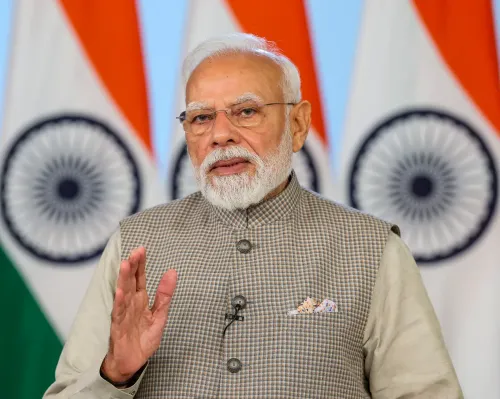
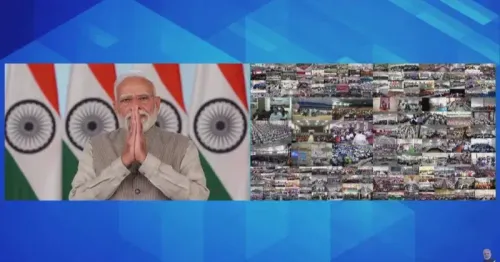
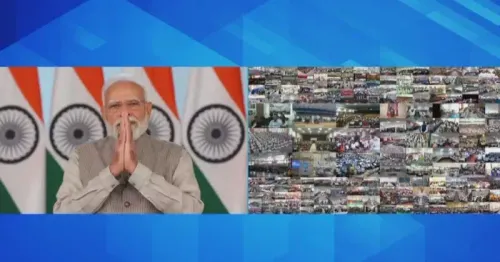
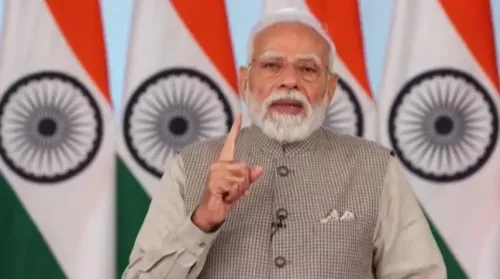
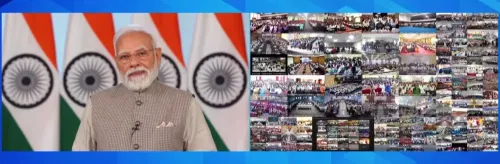
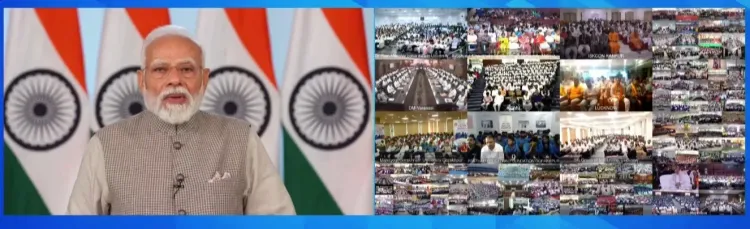
Prime Minister Narendra Modi on Sunday, 2 August declared that hostile nations are deliberately flooding India with narcotics to destabilise the country, calling the illegal drug trade a component of an enemy's 'terror agenda'. Speaking at the launch of the 'Nasha Mukt Yuva for Viksit Bharat Sankalp Abhiyaan' in New Delhi, he urged the nation's youth to reject addiction and anchor themselves to the goal of a developed India by 2047.
The Core Warning: Drugs as a Geopolitical Weapon
Modi framed narcotics trafficking not merely as a law-enforcement problem but as a calculated act of aggression. 'Profiting from supplying drugs and aiming to destroy a nation like ours is also part of their terror agenda,' he said, adding that hostile countries 'conspire to leave no stone unturned to drag our youth into the trap of addiction.'
He stressed that the damage of addiction radiates outward from the individual to the family and ultimately to national strength. 'When a young person falls prey to drug addiction, it is not just that individual who loses; a dream is lost,' he said. 'Drugs give you a high for a while, but they destroy your family.'
The Campaign: 100 Sundays, 100 Steps
The Nasha Mukt Yuva for Viksit Bharat Sankalp Abhiyaan is structured around 100 consecutive Sundays, each representing a concrete step toward a drug-free India. Activities under the initiative will span sports events, walkathons, meditation sessions, cultural programmes, and public awareness campaigns.
Modi noted that the campaign has roots in Varanasi (Kashi), where it was piloted last year, and drew on the Kashi Declaration — a five-year roadmap for a drug-free India adopted in July 2025 at the Youth Spiritual Summit in Varanasi. He said 125 spiritual organisations across the country have committed to the declaration and are actively working to reach millions of citizens.
Early Warning Signs and the Role of Families
The Prime Minister appealed directly to parents and educators to stay alert. He listed behavioural indicators that may signal substance abuse: changes in conduct, social withdrawal, staying locked in rooms, returning home late, and making unexplained demands for money.
'Do not hide it behind the pressure of social reputation,' he said, urging families to seek expert medical support openly rather than suffer in silence. He also called on college and university professors to supplement academic instruction with frank conversations about the dangers of drugs.
The 2047 Vision and Youth's Role
Modi placed the anti-drug message squarely within India's long-term development ambitions. 'In the next 20-25 years, you will give a direction to your lives. You will be the ones who will take India towards the resolution of Viksit Bharat till 2047,' he told the gathering, adding that the country needs the 'energy, creative imagination and talent' of its young population.
He said the commitment shown by younger generations had reinforced his belief that India's youth is 'aware, socially conscious, and serious about their duties.' With the campaign now going national, the government's next test will be whether the 100-Sunday framework translates into measurable reductions in youth drug dependency across states.
Point of View
Modi has shifted the drug-abuse conversation from welfare policy to national security — a framing that is politically potent but carries risks. It could galvanise public sentiment and justify tougher enforcement, yet it also risks obscuring the domestic supply-chain failures and socioeconomic drivers that sustain addiction. The 100-Sunday campaign is symbolically ambitious, but India's drug crisis — concentrated in Punjab, the Northeast, and urban pockets — demands structural interventions: rehabilitation infrastructure, border enforcement, and demand-side economic opportunity. Whether the Kashi Declaration's five-year roadmap translates into funded, measurable state-level action remains the real question mainstream coverage has largely left unasked.
NationPress
16 Sept 2026
Frequently Asked Questions
What is the Nasha Mukt Yuva for Viksit Bharat Sankalp Abhiyaan?
It is a nationwide anti-drug campaign launched by Prime Minister Narendra Modi on 2 August, structured around 100 consecutive Sundays of activities including sports events, walkathons, meditation sessions, and awareness drives. The campaign aims to mobilise India's youth against addiction as part of the broader Viksit Bharat 2047 vision.
Why did PM Modi call the drug trade a 'terror agenda'?
Modi argued that hostile nations are deliberately pushing narcotics into India to weaken its youth and erode national strength, framing drug trafficking as a geopolitical strategy rather than a purely criminal problem. He said profiting from drug supply while aiming to destroy India is part of those nations' terror agenda.
What is the Kashi Declaration?
The Kashi Declaration is a five-year roadmap for a drug-free India, adopted in July 2025 at the Youth Spiritual Summit in Varanasi. It has been endorsed by 125 spiritual organisations across the country, who are actively working to reach millions of citizens under its framework.
What warning signs did PM Modi ask parents to watch for?
Modi listed behavioural changes such as social withdrawal, staying locked in rooms, returning home late at night, hiding one's face, and making unexplained demands for money as potential indicators of substance abuse. He urged parents to seek expert medical support openly and without stigma.
How does this campaign connect to Viksit Bharat 2047?
Modi directly linked drug-free youth to India's development goals, arguing that the country's energy, creativity, and talent — essential for achieving Viksit Bharat by 2047 — are undermined when young people fall into addiction. He called on youth to protect their potential as future nation-builders.