PM Modi Applauds HM Shah's Insightful Lok Sabha Address on Parliamentary Traditions
Synopsis
Prime Minister Narendra Modi commends Union Home Minister Amit Shah for his impactful Lok Sabha speech, emphasizing the critical role of parliamentary traditions and the necessity for national collaboration. Shah defends the Speaker and critiques opposition actions, asserting the importance of respect for democratic institutions.
Key Takeaways
PM Modi praises HM Shah's speech for its insights on parliamentary traditions.
Importance of Speaker's role emphasized as transcending party lines.
Opposition's no-confidence motion seen as an attack on democratic principles.
Historical context provided for Speaker's decisions and Deputy Speaker's role.
Call for respect and adherence to parliamentary customs.
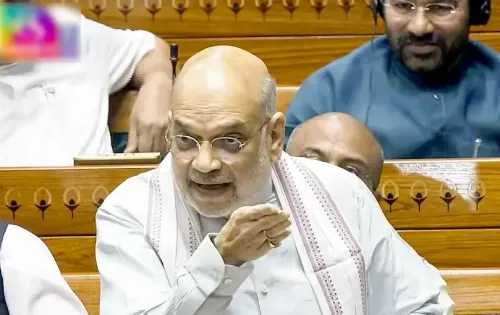
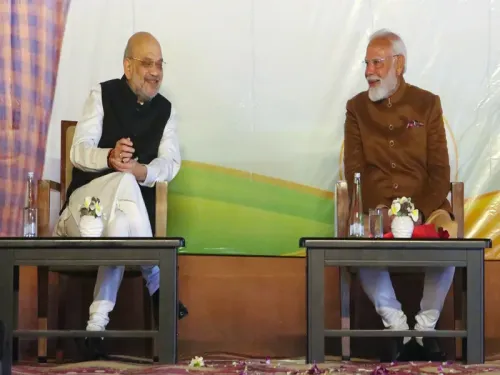
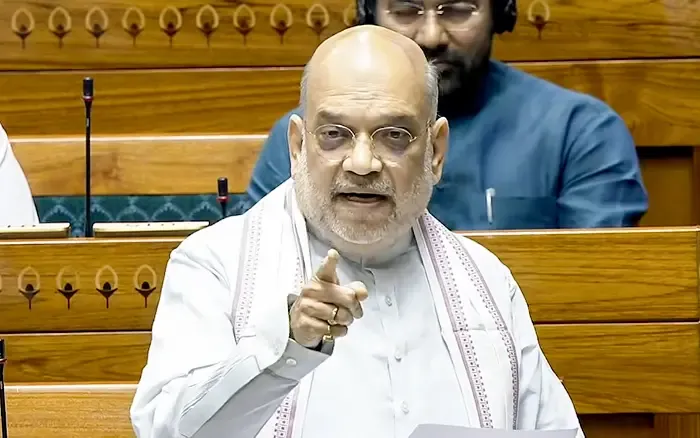
New Delhi, March 12 (NationPress) Prime Minister Narendra Modi expressed his appreciation for Union Home Minister Amit Shah’s recent address in the Lok Sabha, underscoring its emphasis on the vitality of parliamentary traditions and the necessity for cooperative efforts aimed at the nation’s advancement.
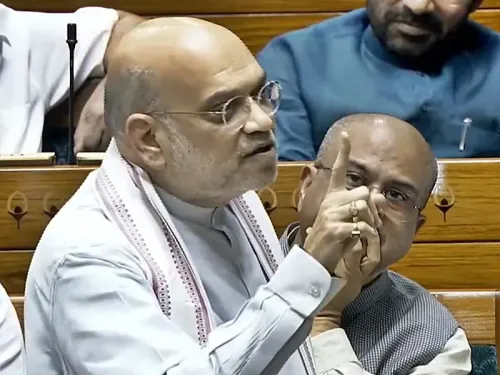
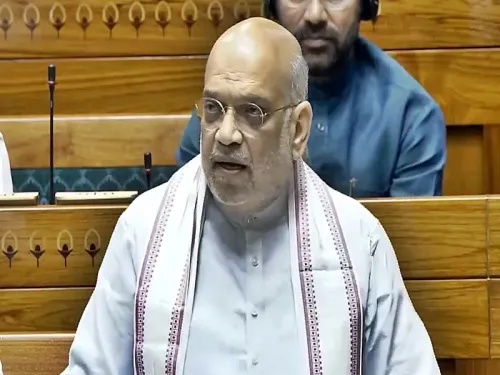
During his speech, HM Shah robustly supported Lok Sabha Speaker Om Birla and criticized the opposition's motion aimed at his removal from the Chair. He articulated that the role of the Speaker transcends party lines and embodies the entire House.
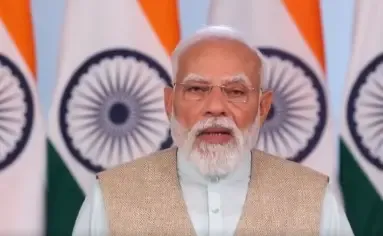
In a post on X, Prime Minister Modi acknowledged the Home Minister’s address.
“A commendable speech by Home Minister Shri Amitbhai Shah. His remarks are factually rich and highlight the significance of parliamentary traditions and the need for united efforts towards national progress,” the Prime Minister commented.
Amit Shah, while addressing the Lok Sabha, stressed that the Speaker represents the entire assembly and does not advocate for any political faction.
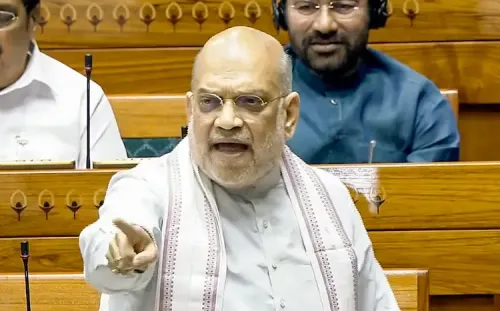
“The Speaker is the guardian of the entire House and is accountable to all members. Initiating a no-confidence motion against him is a significant action. The opposition’s decision to do so attacks the core principles of the Constitution and democracy,” HM Shah remarked.
The Home Minister criticized the opposition's challenge to the Speaker's integrity, asserting that such behavior diminishes the credibility of democratic institutions.
He further asserted that casting doubts on the Speaker's impartiality disrupts Parliament’s operations and erodes trust in constitutional roles.
During his Lok Sabha speech, the Home Minister noted that there had been no exceptional events warranting extended conflict in the House, although the matter had been thoroughly discussed.
HM Shah acknowledged that disagreements concerning the Speaker’s decisions may arise, yet the rules governing the Lok Sabha clearly indicate that the Speaker’s verdict is final.
He also criticized the opposition for attempting to remove Om Birla, accusing them of creating confusion in the House with what he termed misleading assertions.
The Home Minister dismissed claims that the Leader of Opposition was denied speaking time, explaining that the House operates under established rules and procedures that every member is expected to adhere to.
Moreover, he indicated that if a member willfully contravenes these rules, it is appropriate for the Chair to admonish them.
Shah advised experienced parliamentarians like Shashi Tharoor to counsel Congress leaders on honoring parliamentary traditions and customs.
Addressing the issue of appointing a Deputy Speaker, Shah stated that historical instances counter the opposition’s assertions.
He noted that in all three historical instances where a no-confidence motion was initiated against a Lok Sabha Speaker, the proceedings were overseen by the Deputy Speaker.
In response to the opposition's claims regarding the non-appointment of a Deputy Speaker, HM Shah contended that historical parliamentary practices tell a different story than the opposition suggests.
In a broader context, the Home Minister compared the parliamentary conduct of the BJP and the Congress, noting that in the past seventy years, three no-confidence motions have been introduced against Lok Sabha Speakers, and the BJP was uninvolved in any of them.
Point of View
I observe that Prime Minister Modi's endorsement of HM Shah's speech reflects a strong commitment to uphold parliamentary integrity. The emphasis on collective progress is crucial for democratic health, and the opposition's actions raise important discussions about respect for established institutions.
NationPress
27 Oct 2026
Frequently Asked Questions
What was the main focus of PM Modi's comments on HM Shah's speech?
PM Modi highlighted the importance of parliamentary traditions and the need for collective efforts for national progress as the main focus of HM Shah's speech.
What did HM Shah say about the Speaker's role?
HM Shah emphasized that the Speaker acts on behalf of the entire House and transcends party politics, representing all members.
How did HM Shah respond to the no-confidence motion against the Speaker?
HM Shah criticized the opposition for their no-confidence motion against the Speaker, claiming it undermines the Constitution and democracy.
What did HM Shah suggest regarding the opposition's claims?
HM Shah suggested that the opposition's claims about the Speaker's integrity and the appointment of a Deputy Speaker were misleading and not supported by historical practices.
What is the significance of parliamentary traditions highlighted by PM Modi?
The significance of parliamentary traditions, as highlighted by PM Modi, lies in their role in maintaining democratic integrity and fostering collaborative governance.