PM Modi Backs India-EU FTA, Launches Economic Security Dialogue With France
Synopsis
Prime Minister Narendra Modi on June 14, 2026 reaffirmed India-France economic ties, calling the India-EU Free Trade Agreement an unprecedented opportunity and announcing a new bilateral Economic Security Dialogue to strengthen supply chains between the two nations.
Key Takeaways
PM Modi posted in French on June 14, 2026 , signalling deep diplomatic engagement with France .
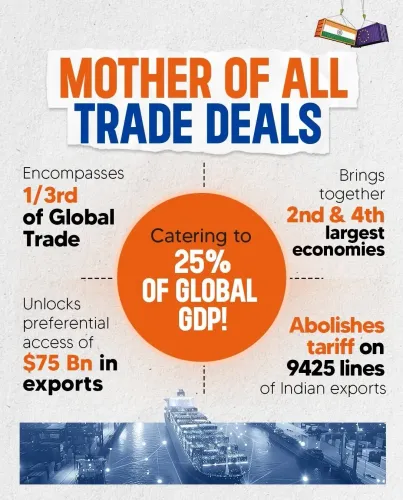
He described the India-EU Free Trade Agreement as providing 'unprecedented impetus' to India-France economic relations.
India and France are launching a new Economic Security Dialogue focused on strengthening supply chains.
The India-EU trade negotiations were originally launched in 2007 and cover tariffs, market access, and investment.
The move fits India's broader strategy of pursuing multiple FTAs to diversify trade and reduce single-market dependence.
France has been a strategic partner of India since 1998 , serving as a key EU channel for Indian economic diplomacy.
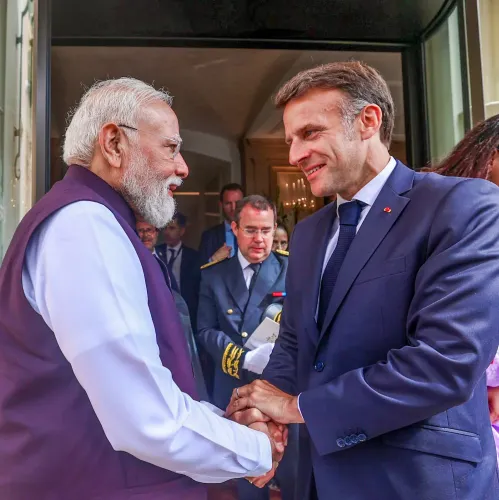
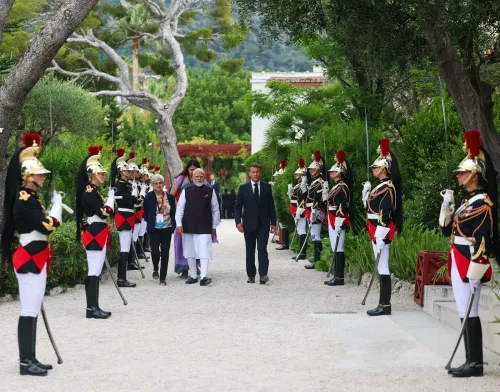
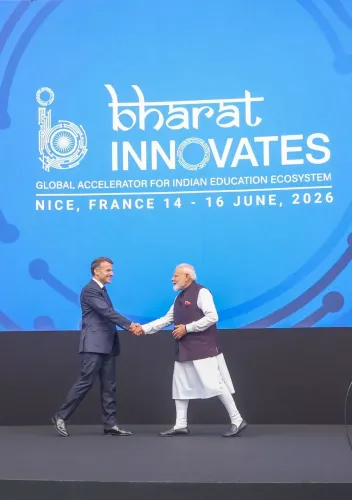
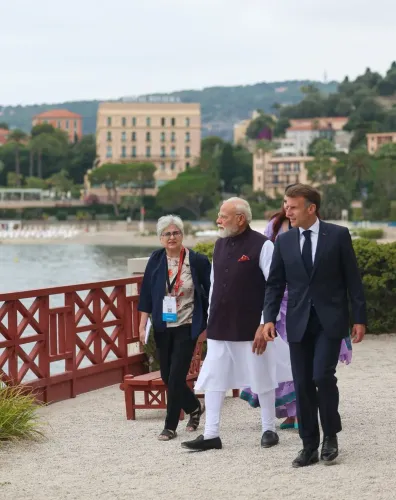
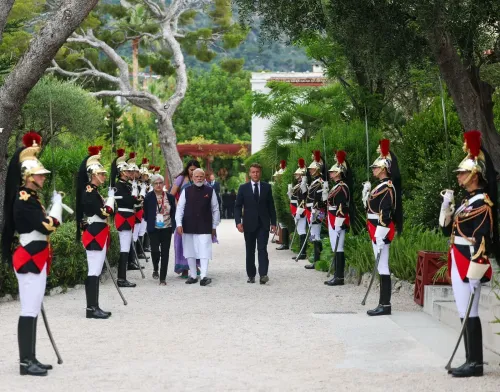
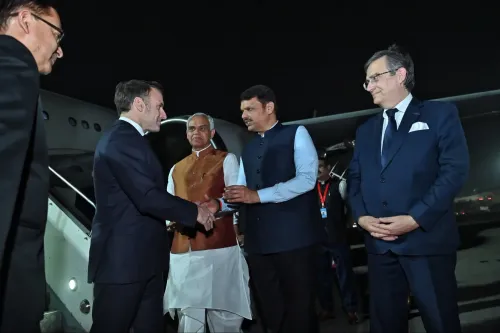
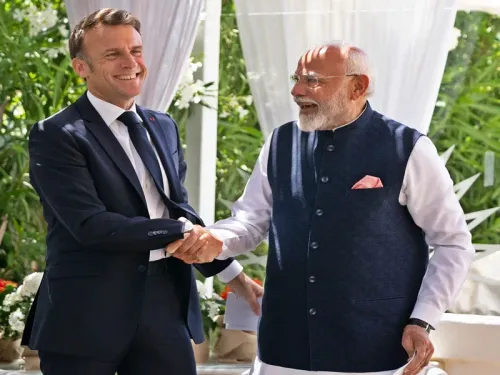
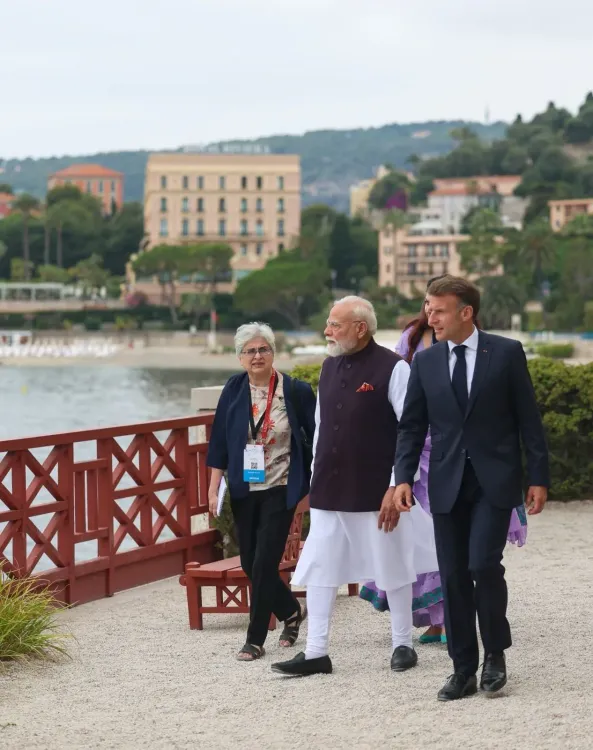
Prime Minister Narendra Modi on Sunday, June 14, 2026, reaffirmed India's commitment to deepening economic ties with France, highlighting the India-EU Free Trade Agreement as an unprecedented catalyst and announcing the launch of a new India-France Economic Security Dialogue aimed at strengthening bilateral supply chains.
Writing in French, PM Modi stated: 'L'Inde et la France continueront de travailler ensemble pour renforcer leurs liens économiques.' ('India and France will continue to work together to strengthen their economic ties.') He described the India-EU Free Trade Agreement as offering 'an unprecedented impetus' to this partnership and said the two sides are launching an Economic Security Dialogue to reinforce supply chains.
Context
India and France have maintained a strategic partnership since 1998, originally anchored in defence and nuclear cooperation but steadily broadened to encompass trade, space, and technology. France serves as a key bilateral interlocutor within the European Union for advancing Indian economic interests, making high-level signalling through Paris particularly significant for broader EU engagement.
The Prime Minister's choice to post in French underscores the diplomatic register of the message — a deliberate gesture of partnership directed at French audiences and policymakers.
Policy Backdrop
Negotiations for the India-EU Broad-based Trade and Investment Agreement were first launched in 2007 but stalled for years over differences on tariffs, intellectual property, and government procurement. The agreement, if concluded, would connect India — one of the world's fastest-growing major economies — with the EU, its largest trading partner bloc, in a comprehensive market-access framework.
India has in recent years pursued parallel free trade agreements with partners including Australia and the United Kingdom, reflecting a broader strategy to diversify trade relationships and reduce dependence on any single market. The new India-France Economic Security Dialogue mirrors a global trend of building dedicated mechanisms to secure critical supply chains, a priority that gained urgency after pandemic-era disruptions and ongoing geopolitical realignments.
Stakeholders and Impact
Indian exporters in sectors such as textiles, pharmaceuticals, information technology, and engineering goods stand to benefit most directly from reduced tariff barriers under a concluded India-EU FTA. On the European side, firms embedded in complex manufacturing and technology supply chains have a strong interest in integrating India as a resilient sourcing and production partner.
The proposed Economic Security Dialogue is expected to address vulnerabilities in critical supply chains — spanning semiconductors, clean energy components, and strategic minerals — areas where both India and France have articulated national security interests alongside commercial ones.
What's Next
Attention will now turn to the structure and timeline of the inaugural meetings under the India-France Economic Security Dialogue, as well as any concrete milestones set for the India-EU FTA negotiations. Progress on the trade agreement at the next India-EU Summit will be a key indicator of whether the political momentum signalled by PM Modi translates into negotiating breakthroughs. The depth of the bilateral economic security framework will also be watched closely by other EU member states and by Indian industry bodies seeking clarity on market access timelines.
Point of View
Nation-specific mechanisms to secure critical supply chains. This mirrors the architecture India has adopted with other major partners, indicating a maturing template for economic statecraft. For France, which wields significant influence over EU trade policy, being named a co-anchor of this dialogue reinforces its role as India's most important European interlocutor.
NationPress
20 Sept 2026
Frequently Asked Questions
What is the India-France Economic Security Dialogue announced by PM Modi?
The India-France Economic Security Dialogue is a new bilateral mechanism announced by PM Modi on June 14, 2026 , aimed at strengthening supply chain resilience and economic security cooperation between India and France . Details of its structure and first meeting are yet to be officially released.
What is the India-EU Free Trade Agreement and where does it stand?
The India-EU Broad-based Trade and Investment Agreement is a comprehensive trade deal whose negotiations were first launched in 2007 . The talks stalled for years but have been revived in recent years, with both sides seeking to cut tariffs and expand market access. No final agreement has been concluded yet.
Why did PM Modi post about France in French?
PM Modi posted in French as a diplomatic gesture directed at French audiences and policymakers, reinforcing the depth of the India-France strategic partnership that dates back to 1998 . Using the partner nation's language is a recognised tool of bilateral diplomacy.
How long have India and France been strategic partners?
India and France established their strategic partnership in 1998 , initially centred on defence and nuclear cooperation. The relationship has since expanded to cover trade, space, technology, and now economic security.
How does the India-EU FTA affect Indian exporters?
A concluded India-EU Free Trade Agreement would reduce tariffs and improve market access for Indian exporters in sectors such as textiles, pharmaceuticals, information technology, and engineering goods, opening up the EU — India's largest trading partner bloc — to significantly greater trade flows.