PM Modi Highlights Opportunities from India-Finland Digitalisation and Sustainability Partnership
Synopsis
Discover how Prime Minister Modi's announcement on the India-Finland strategic partnership in digitalisation and sustainability promises to reshape opportunities for innovation and technology cooperation. This collaboration aims to benefit citizens and foster growth in critical sectors.
Key Takeaways
Strategic partnership between India and Finland focuses on digitalisation and sustainability.
Collaboration in advanced technologies and clean energy.
Enhanced mobility for professionals and students.
Joint research initiatives targeting key tech sectors.
Renewal of the environmental cooperation agreement.
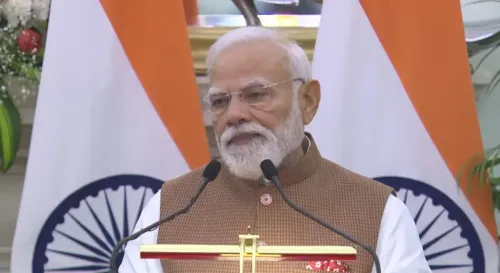
New Delhi, March 5 (NationPress) On Thursday, Prime Minister Narendra Modi announced that the newly established strategic partnership in digitalisation and sustainability between India and Finland is set to generate countless opportunities for citizens in both countries. This collaboration will unlock new pathways for engagement in advanced technologies, clean energy, and innovation.
In a post shared on the social media platform X, the Prime Minister emphasized that elevating bilateral relations to a strategic partnership in digitalisation and sustainability will enhance cooperation in emerging technologies and fortify economic ties and innovation between the nations.
“We are transforming India-Finland relations into a strategic partnership focused on digitalisation and sustainability. This collaboration is expected to generate countless opportunities for our people,” stated PM Modi.
Earlier that day, PM Modi highlighted that the cooperation would broaden in crucial technology sectors like artificial intelligence, 5G and 6G telecommunications, advanced data analytics, and quantum computing.
“The partnership will also encompass clean technologies, renewable energy, initiatives for a circular economy, and sustainable urban development,” he added emphatically.
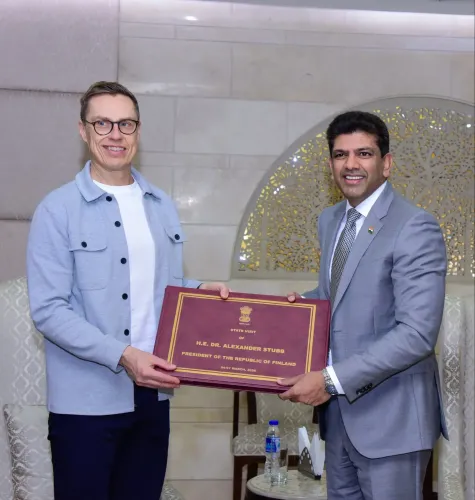
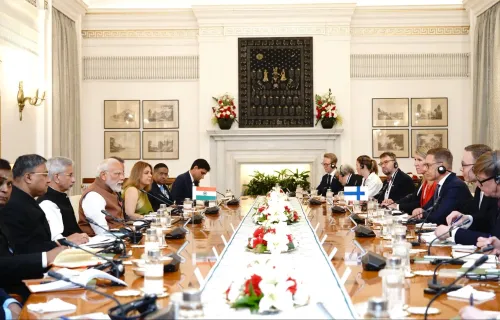
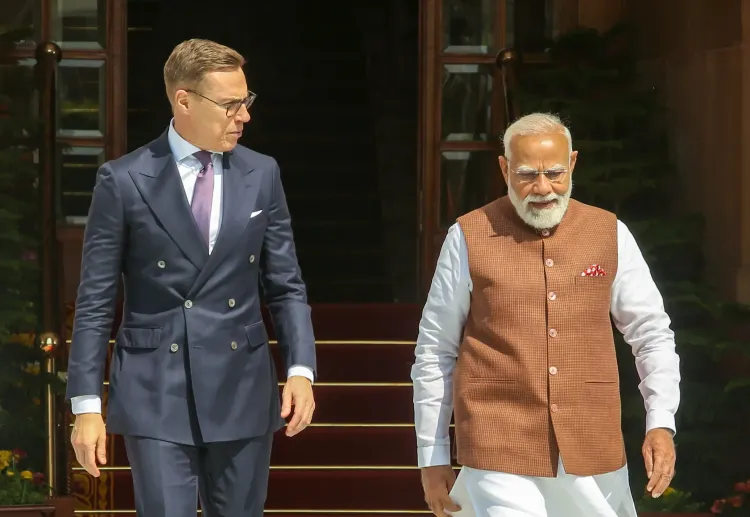
During discussions with Finland's President Alexander Stubb, both leaders agreed to bolster research collaboration and promote innovation.
Joint research initiatives between India’s Department of Science and Technology and Finland’s innovation funding agency, Business Finland, will target sectors such as renewable energy, smart cities, hydrogen technologies, electric vehicles, and waste management.
This collaboration will further include green technologies such as carbon capture systems and management of distributed energy resources.
The two leaders also addressed the necessity of improving mobility between the two nations.
A Migration and Mobility Partnership agreement was reached to streamline the movement of professionals, students, entrepreneurs, researchers, and academics.
This initiative is anticipated to strengthen the connections between startup ecosystems in both countries, thereby creating fresh opportunities for the youth.
Another significant outcome of the discussions was the renewal of the environmental cooperation agreement.
The renewed pact will enhance collaboration in climate action, clean energy, and sustainable development, while also reinforcing partnerships in academia, research, and business within the sustainability sector.
Point of View
It is essential to recognize the transformative potential of the strategic partnership between India and Finland. The collaboration in digitalisation and sustainability not only signifies a commitment to innovation but also addresses pressing global challenges such as climate change and technology advancement. This partnership is a forward-thinking approach that could yield significant benefits for both nations.
NationPress
19 Sept 2026
Frequently Asked Questions
What is the significance of the India-Finland partnership?
The partnership focuses on digitalisation and sustainability, which aims to create numerous opportunities in technology, clean energy, and innovation for both countries.
Which sectors will benefit from this partnership?
Key sectors include artificial intelligence, telecommunications, renewable energy, and sustainable urban development.
How will this partnership impact young professionals?
The Migration and Mobility Partnership will facilitate the movement of students, researchers, and entrepreneurs, creating new opportunities for the youth.