India builds Europe partnerships in trade, tech, defence: What Modi's visits signal
Synopsis
India's diplomatic blitz across Europe — from Oslo to Paris to Bratislava — is no longer episodic. A PRF analysis confirms a deliberate two-track strategy: build political capital with individual EU member states while engaging Brussels on trade and defence. The pace of new strategic partnerships in 2026 alone is unprecedented, and the real test is whether these declarations convert into binding trade and technology flows.
Key Takeaways
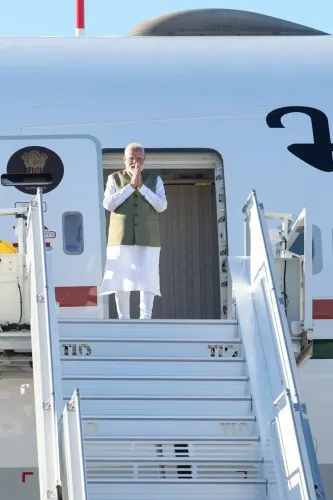
PM Narendra Modi visited France and Slovakia from 13 to 18 June 2026 , the latest in a sustained India-Europe diplomatic push.
India has established three new strategic partnerships with the Netherlands , Sweden , and Cyprus in 2026.
India-France ties were elevated to a Special Global Strategic Partnership ; India-Slovakia ties upgraded to a Comprehensive Partnership .
Slovakia conferred its highest honour, the Order of the White Double Cross (1st Class) , on Modi.
11 MoUs and agreements were signed during the Slovakia visit at Bratislava Castle .
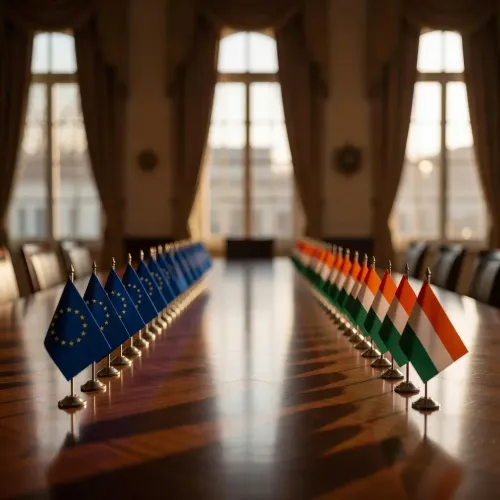
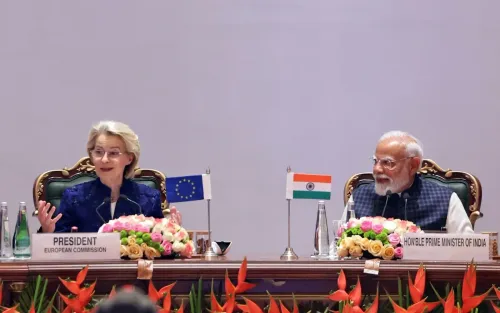
India-EU ties have gained momentum following the conclusion of a bilateral trade agreement and a Security and Defence Partnership .
India is actively forging a network of bilateral partnerships across Europe to advance its strategic interests in trade, technology, investment, defence, and the green transition, according to an analysis published by the Politeia Research Foundation (PRF). The report, released on 24 June 2026, argues that a coherent India-Europe engagement strategy is now clearly visible from New Delhi, reflecting a nuanced grasp of how competencies are divided between the European Union (EU) and its member states.
A Surge in High-Level Engagements
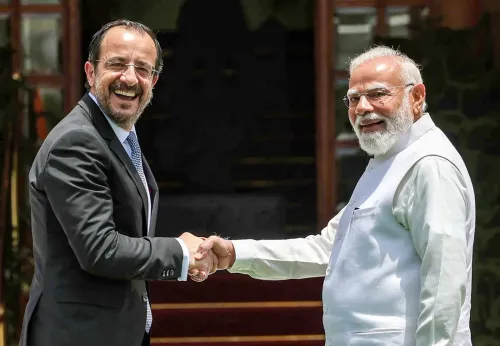
Prime Minister Narendra Modi's recent two-nation visit from 13 to 18 June 2026 — covering France and Slovakia — was the latest in a sustained run of diplomatic activity between India and Europe. In May 2026, Modi had already travelled to the Netherlands, Sweden, Norway, and Italy, and attended the third India-Nordic Summit in Oslo. Concurrently, the Presidents of Finland and Cyprus and the Austrian Chancellor visited India, while External Affairs Minister S. Jaishankar undertook visits to Belgium, France, Cyprus, Bulgaria, and Finland.
The cumulative result of these engagements includes three new strategic partnerships — with the Netherlands, Sweden, and Cyprus — as well as a Special Strategic Partnership with Italy, a Green Strategic Partnership with Norway, and a Comprehensive Partnership with Slovakia.
What the PRF Report Says
Professor Gulshan Sachdeva, Jean Monnet Chair at the Centre for European Studies, Jawaharlal Nehru University (JNU), wrote in the PRF report: 'In the context of evolving global geopolitics and shifting political dynamics in Europe, India is seeking to build partnerships across Europe to advance its interests in trade, technology, investment, defence, and the green transition. A clear strategy is now emerging in New Delhi's engagement with Europe.'
Sachdeva further noted that even in an increasingly integrated Europe, 'political goodwill and strong bilateral relationships with individual member states continue to matter,' pointing to the France and Slovakia visits as evidence. He described the France visit as centred on showcasing India's innovation ecosystem, startups, and technological capabilities, while the Slovakia visit formed part of India's broader effort to re-engage with geopolitically significant Central and Eastern Europe.
Modi's France Visit: G7, VivaTech, and a Strategic Upgrade
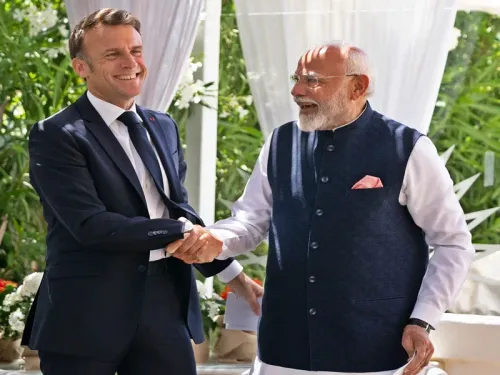
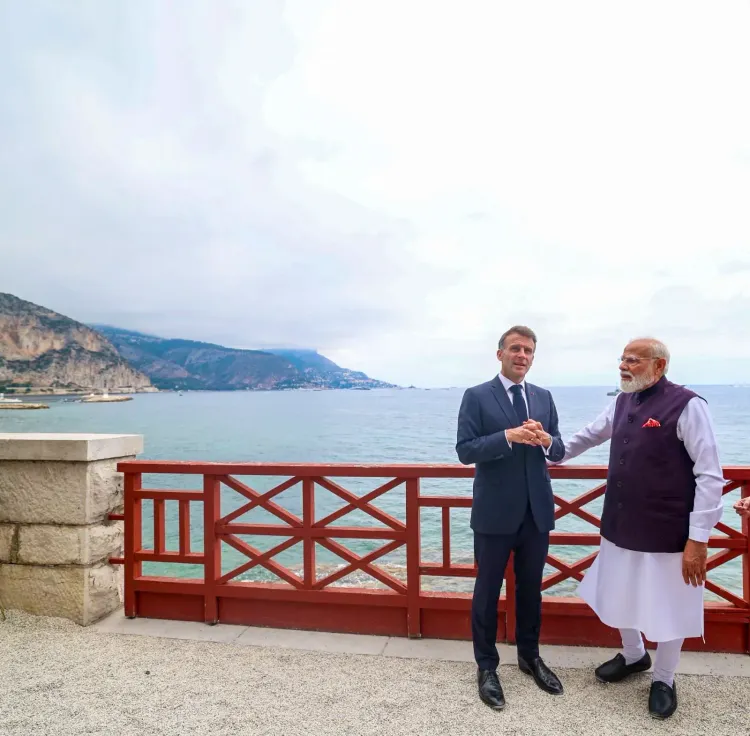
During his stay in France, Modi attended the Group of Seven (G7) Summit in Evian and held bilateral talks with French President Emmanuel Macron. The two leaders agreed to elevate bilateral ties to a Special Global Strategic Partnership. Modi also attended the Bharat Innovates Programme and VivaTech 2026 in Paris, where he met senior business leaders including Alstom CEO Martin Sion, Saint-Gobain CEO Benoit Bazin, and Mistral AI CEO Arthur Mensch.
In a post on X following the bilateral talks, Modi wrote: 'Today's talks with my friend, President Macron, were exceptionally productive. Considering the longstanding friendship between our nations, we have decided to elevate our ties to a Special Global Strategic Partnership.'
Slovakia Visit: Honours, MoUs, and Central Europe Outreach
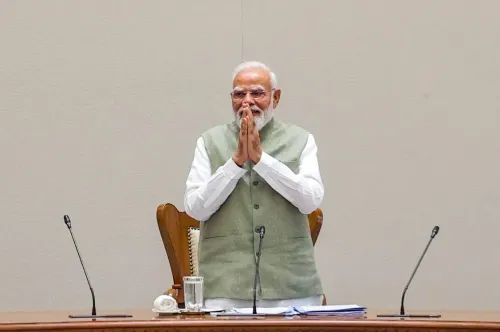
Modi's two-day State visit to Slovakia included meetings with Prime Minister Robert Fico and President Peter Pellegrini at the historic Bratislava Castle. Delegation-level talks resulted in the signing of 11 agreements and Memorandums of Understanding (MoUs). Slovakia also conferred its highest civilian honour, the Order of the White Double Cross (1st Class), on Modi. A cultural highlight was an exhibition centred on Varanasi — featuring works by Slovak artists who had visited the city — held at the Presidential Palace in Bratislava.
Broader Significance: India-EU Momentum
This diplomatic push comes as India-EU ties have gained fresh momentum following the conclusion of negotiations on a bilateral trade agreement and the signing of a dedicated Security and Defence Partnership. Analysts note that India's approach — building political goodwill at the bilateral level even as major economic decisions are taken at the EU level — reflects a sophisticated two-track strategy. With Europe navigating its own geopolitical recalibration, New Delhi's timing appears deliberate. The next phase of this engagement is expected to focus on translating partnership declarations into concrete trade and technology deliverables.
Point of View
Geographically diverse, and strategically sequenced. The simultaneous courtship of Nordic nations, Central European states, and Western European powers suggests New Delhi is hedging across Europe's own internal fault lines. What remains to be tested is whether the flurry of partnership declarations — six new or elevated bilateral frameworks in a single year — will be backed by institutional follow-through or will, like many before them, remain aspirational. The India-EU trade agreement, once implemented, will be the real scorecard.
NationPress
23 Sept 2026
Frequently Asked Questions
Why is India building partnerships with individual European countries when the EU handles major economic decisions?
India's strategy recognises that while the EU sets policy on trade and investment, political goodwill with individual member states shapes the pace and depth of engagement. According to the PRF report, bilateral relationships with EU members help India advance interests in technology, defence, and the green transition that require country-specific buy-in alongside Brussels-level negotiations.
What was the outcome of PM Modi's visit to France in June 2026?
Modi attended the G7 Summit in Evian, held bilateral talks with President Macron, and participated in VivaTech 2026 in Paris. The key outcome was the elevation of India-France ties to a Special Global Strategic Partnership. Modi also met CEOs from Alstom, Saint-Gobain, and Mistral AI.
What agreements were signed during Modi's visit to Slovakia?
India and Slovakia signed 11 agreements and MoUs during delegation-level talks at Bratislava Castle. The two nations also elevated their bilateral relationship to a Comprehensive Partnership. Slovakia additionally conferred its highest honour, the Order of the White Double Cross (1st Class), on Modi.
How many new strategic partnerships has India established with European nations in 2026?
India established at least six new or elevated bilateral frameworks in 2026 alone: new strategic partnerships with the Netherlands, Sweden, and Cyprus; a Special Strategic Partnership with Italy; a Green Strategic Partnership with Norway; and a Comprehensive Partnership with Slovakia.
What is the significance of the India-EU trade agreement mentioned in the report?
The conclusion of negotiations on the India-EU bilateral trade agreement, alongside a Security and Defence Partnership, marks a significant milestone in the relationship. Analysts view it as a structural shift that gives the current diplomatic momentum a concrete economic foundation, though implementation details remain to be finalised.