Madhya Pradesh's Jal Ganga Abhiyan wins global praise, 2.12 lakh water structures built
Synopsis
Six nations sent diplomats to Bhopal to study Madhya Pradesh's Jal Ganga Samvardhan Abhiyan — and Ecuador has already announced it will replicate the model. With 2.12 lakh water structures completed and a cultural-heritage framing that resonates globally, this state-level campaign is quietly becoming one of India's most exportable environmental governance stories.
Key Takeaways
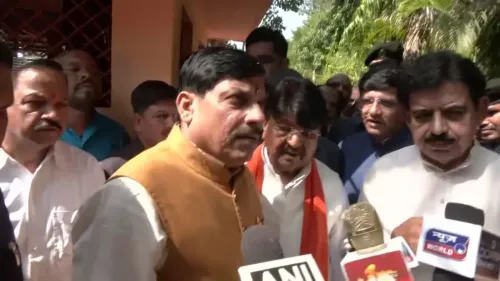
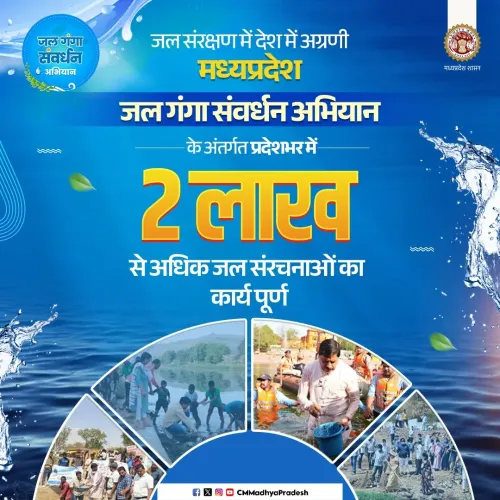
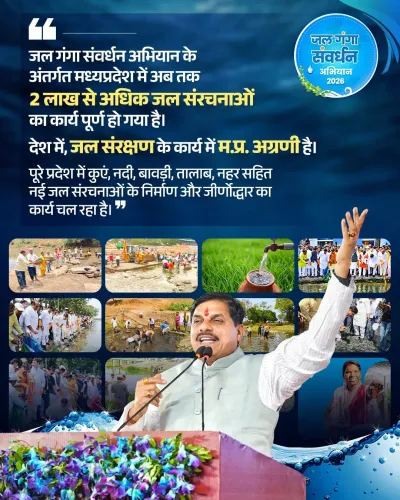
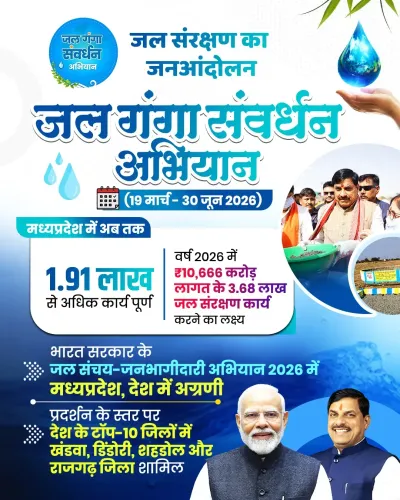
Madhya Pradesh's Jal Ganga Samvardhan Abhiyan, launched by Chief Minister Mohan Yadav , has completed over 2,12,000 water structures against a target of 3,66,000 .
Diplomats from Cyprus, Fiji, Mexico, Nepal, Trinidad and Tobago, and Ecuador attended the Sadanira Samagam at Bharat Bhavan, Bhopal .
Ecuador's Deputy Chief of Mission Jorge Vinicio Anrango announced plans to organise a 'Sadanira Sangam' modelled on the Madhya Pradesh initiative.
Cyprus High Commissioner Evagoras Vryonides announced a cultural troupe from Cyprus will perform in Bhopal later in June 2025 .
The campaign is credited with rejuvenating rivers, ponds, and traditional water sources through mass public participation.
Madhya Pradesh's Jal Ganga Samvardhan Abhiyan is drawing international attention as a replicable model for water conservation, with diplomats from six countries attending the Sadanira Samagam at Bharat Bhavan, Bhopal, and praising the state's approach to linking environmental action with cultural heritage. The seven-day event, held in Bhopal in early June 2025, underscored how a state-level initiative can acquire global relevance.
From Government Scheme to Mass Movement
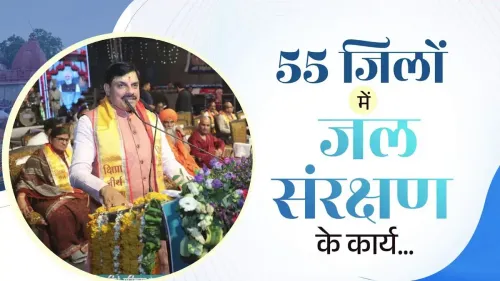
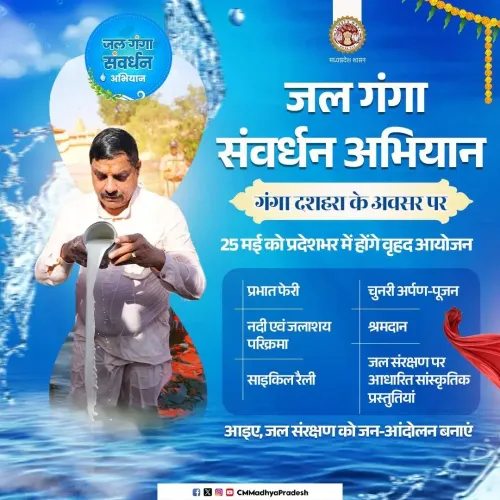
Launched by Chief Minister Mohan Yadav, the Jal Ganga Samvardhan Abhiyan set out to rejuvenate rivers, ponds, and traditional water sources across Madhya Pradesh. What began as a government programme has evolved into a community-driven movement, with widespread public participation credited for its scale and speed. The campaign has already completed work on more than 2,12,000 water structures against a target of 3,66,000 — a completion rate that officials say reflects strong grassroots engagement.
Sadanira Samagam: Where Culture Meets Conservation
The Sadanira Samagam served as a platform to demonstrate how water stewardship can be rooted in India's civilisational traditions. Envoys from Cyprus, Fiji, Mexico, Nepal, Trinidad and Tobago, and Ecuador attended the event. Several expressed interest in adapting the Madhya Pradesh model for their own countries, signalling its potential as an exportable framework for water governance.
What Diplomats Said
Cyprus High Commissioner Evagoras Vryonides described the water crisis as a grave global challenge and stressed the importance of public awareness campaigns. He also announced that a cultural troupe from Cyprus would perform in Bhopal later in the month. Fiji High Commissioner Jagannath Sami highlighted climate change as a pressing concern and noted shared environmental priorities between India and Fiji, drawing on the two nations' historic ties.
Vanessa Adrian of the Mexican Embassy lauded the effort to connect water conservation with cultural heritage, noting that both India and Mexico — as heirs to ancient civilisations — are well-placed to collaborate on common solutions. Nepal's First Secretary Deepak Porkhire spoke of shared responsibility towards nature and cultural similarities between the two neighbours. Chandradath Singh of Trinidad and Tobago praised the initiative for conveying environmental concerns through cultural expression.
Most notably, Ecuador's Deputy Chief of Mission Jorge Vinicio Anrango announced that his country would soon organise a 'Sadanira Sangam' inspired directly by Madhya Pradesh's efforts — a concrete sign that the model is being considered for international replication.
Scale and Significance
The campaign's progress — over 2.12 lakh water structures completed — places it among the larger state-run water conservation drives in India. By combining cultural heritage with environmental responsibility, Madhya Pradesh is positioning itself as a benchmark in water self-reliance at a time when water stress is intensifying across South Asia and beyond. This comes amid growing international consensus that community-led, culturally anchored approaches to conservation tend to outlast top-down infrastructure programmes.
What Comes Next
With Ecuador formally signalling intent to replicate the model and Cyprus planning a cultural exchange, Madhya Pradesh's initiative appears set to deepen its international footprint. Completion of the remaining 1,54,000-plus water structures will be the next domestic milestone, while the state government is expected to use the diplomatic interest to build bilateral cooperation on water management.
Point of View
As Ecuador's intent to replicate it suggests. The harder question is whether the 2.12 lakh structures completed translate into measurable improvements in water availability and groundwater recharge, data the state has not yet publicly detailed. International praise is valuable optics, but the campaign's real test will be hydrological outcomes in the next drought cycle — not diplomat endorsements.
NationPress
21 Oct 2026
Frequently Asked Questions
What is the Jal Ganga Samvardhan Abhiyan in Madhya Pradesh?
The Jal Ganga Samvardhan Abhiyan is a water conservation campaign launched by Madhya Pradesh Chief Minister Mohan Yadav to rejuvenate rivers, ponds, and traditional water sources across the state. It has evolved from a government scheme into a community-driven movement and has completed over 2.12 lakh water structures so far.
What was the Sadanira Samagam held in Bhopal?
The Sadanira Samagam was a seven-day event held at Bharat Bhavan in Bhopal in early June 2025, designed to showcase the link between water conservation and India's cultural heritage. Diplomats from six countries attended and several expressed interest in replicating the Madhya Pradesh model.
Which countries showed interest in replicating Madhya Pradesh's water model?
Diplomats from Cyprus, Fiji, Mexico, Nepal, Trinidad and Tobago, and Ecuador attended the event. Ecuador's Deputy Chief of Mission formally announced plans to organise a 'Sadanira Sangam' inspired by the Madhya Pradesh initiative.
How many water structures has the campaign completed?
The Jal Ganga Samvardhan Abhiyan has completed work on more than 2,12,000 water structures against a total target of 3,66,000, according to official figures presented at the Sadanira Samagam.
Why is Madhya Pradesh's water conservation approach considered unique?
The campaign is considered distinctive for combining environmental action with India's cultural heritage traditions, making conservation a community identity rather than a government directive. This cultural-heritage framing has drawn particular praise from international observers as a model that can be adapted across different national contexts.