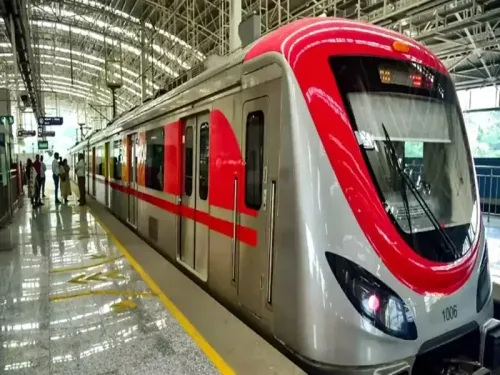
Mumbai Metro deploys AI-powered pantograph monitoring system, a first in India
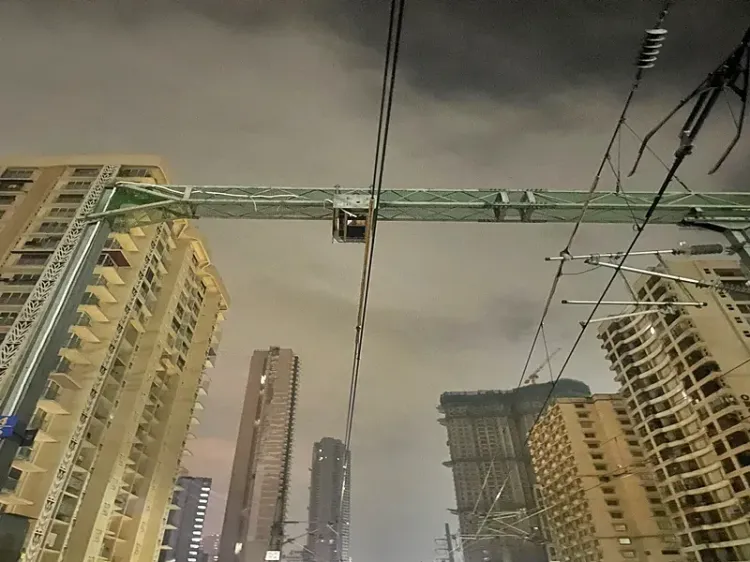
Synopsis
Mumbai's metro network has quietly crossed a significant technology threshold — deploying India's first AI-powered pantograph monitoring system that inspects every passing train in real time without halting services. The shift from manual, scheduled checks to continuous, machine-learning-driven diagnostics could redefine maintenance standards for urban rail across the country.
Key Takeaways
MMRDA deployed India's first Automated Pantograph Condition Monitoring System (APCMS) on 25 May .
The system uses AI , machine learning , high-speed laser scanners , and 3D triangulation to inspect pantographs at operational train speeds without service interruption.
It replaces conventional manual inspection, shifting to continuous, condition-based maintenance.
Chief Minister Devendra Fadnavis called it a major step toward world-class urban transport infrastructure for the Mumbai Metropolitan Region .
The system is designed to reduce train downtime, improve fleet availability, and minimise unplanned service disruptions.
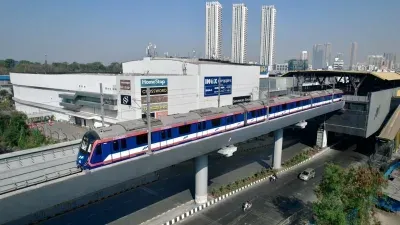
The Mumbai Metropolitan Region Development Authority (MMRDA) has deployed the Automated Pantograph Condition Monitoring System (APCMS) across its metro network, marking what officials describe as India's first implementation of AI-driven, real-time predictive maintenance for urban rail rolling stock. The system went live on 25 May, replacing decades-old manual inspection practices with continuous, data-driven assessment of a component critical to train power supply.
What the System Does
The APCMS uses a combination of high-speed laser scanners, precision imaging systems, and 3D triangulation technology to capture detailed geometric and surface-level data from every pantograph as trains pass at operational line speeds — without interrupting services. Artificial intelligence (AI) and machine learning analytics then process this data continuously, flagging abnormalities, deviations from standard parameters, and early signs of component wear before they escalate into failures.
The pantograph is the critical contact point between a metro train and its overhead power supply. Even minor defects — uneven carbon wear, hairline cracks, structural deformation, or misalignment — can trigger operational disruptions and costly infrastructure damage if left undetected, according to an MMRDA release.
Why This Marks a Shift
Conventional pantograph inspections required scheduled maintenance windows, significant manpower, and offered only periodic snapshots of component condition. The APCMS delivers consistent, repeatable inspection results under all environmental conditions — including nighttime operations, rain, fluctuating light, and high-speed train movement — overcoming the core limitations of earlier camera-based methods. This is a structural shift from time-based to condition-based maintenance, a model that advanced metro systems globally have adopted but which has seen limited deployment in India until now.
What the Government Said
Chief Minister Devendra Fadnavis described the deployment as evidence of Maharashtra's push toward next-generation AI-driven urban transport. 'The integration of artificial intelligence, machine learning and real-time predictive diagnostics into metro operations is a major step in building world-class infrastructure standards for the Mumbai Metropolitan Region. Such intelligent systems not only strengthen passenger safety and operational reliability but also significantly reduce train downtime through faster fault detection and condition-based maintenance,' he said.
Deputy Chief Minister and MMRDA Chairman Eknath Shinde said the system was designed to create 'a smarter, safer and more efficient metro ecosystem for Mumbai Metropolitan Region commuters.' MMRDA Metropolitan Commissioner Sanjay Mukherjee added that the initiative represents an important step toward transforming Mumbai's metro network into a globally benchmarked public transport system driven by innovation, safety, and sustainability.
Impact on Operations and Commuters
According to MMRDA, the system is expected to significantly reduce train downtime, improve fleet availability, and minimise service disruptions — benefits that translate directly into more reliable daily commutes for passengers across the Mumbai Metropolitan Region. By detecting faults earlier and enabling targeted, condition-based interventions, the authority also anticipates lower long-term maintenance costs and reduced risk of unplanned outages.
As Mumbai's metro network continues to expand, the APCMS deployment sets a precedent that other Indian urban rail operators are likely to watch closely.
Point of View
But the broader claim of being 'India's first' deserves scrutiny — it comes from the authority itself, and independent verification is absent. That said, condition-based maintenance for rolling stock remains genuinely rare in Indian urban rail, where most networks still rely on scheduled manual checks. If the system performs as described, it offers a replicable model for the dozen-plus metro networks under construction or expansion across India. The real test will come not at launch, but in the maintenance data 12 to 18 months from now — whether fault detection rates improve, downtime falls, and the technology is extended beyond a single corridor.
NationPress
26 Sept 2026
Frequently Asked Questions
What is the Automated Pantograph Condition Monitoring System (APCMS) deployed by MMRDA?
The APCMS is an AI and machine-learning-powered wayside system that uses high-speed laser scanners and 3D imaging to inspect metro train pantographs in real time at operational speeds. MMRDA deployed it on the Mumbai Metro network on 25 May, describing it as India's first such system for urban rail.
Why is the pantograph important in a metro train?
The pantograph is the contact mechanism on top of a metro train that draws power from the overhead supply line. Defects such as carbon wear, cracks, or misalignment can cause power supply failures, service disruptions, and damage to overhead infrastructure if not caught early.
How is APCMS different from conventional pantograph inspection?
Traditional inspections were conducted manually during scheduled maintenance windows, offering only periodic condition snapshots and requiring significant manpower. The APCMS monitors every passing pantograph continuously and automatically, detecting faults in real time without interrupting train services.
What did Maharashtra's Chief Minister say about the system?
Chief Minister Devendra Fadnavis said the deployment reflects Maharashtra's move toward next-generation AI-driven urban transport, adding that predictive diagnostics would strengthen passenger safety and reduce train downtime through faster fault detection.
What is the expected impact on Mumbai Metro commuters?
MMRDA expects the system to reduce unplanned train downtime and service disruptions, improving the reliability and punctuality of daily metro services across the Mumbai Metropolitan Region.