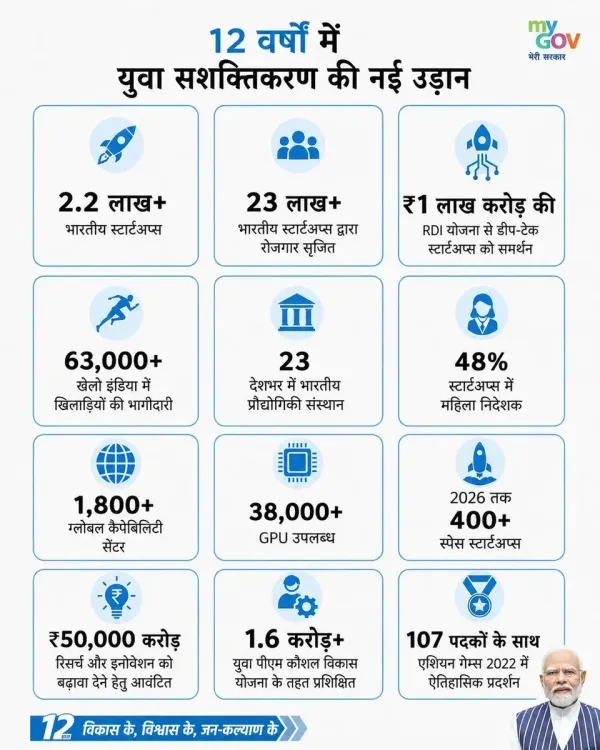
Nadda Highlights 12 Years of Youth Empowerment Under Modi Govt
Synopsis
Union Health Minister J. P. Nadda has credited 12 years of Modi government policies — Startup India, Skill India, Digital India, Khelo India and Make in India — with positioning India as the world's third-largest startup ecosystem and second-largest AI talent pool, calling it an emerging global power driven by youth energy.
Key Takeaways
Nadda posted on 13 June 2026 under #12YearsOfYuvaShakti , marking a dozen years of Modi government youth-focused governance.
India is described as the world's third-largest startup ecosystem and second-largest AI talent pool in the post.
Five flagship schemes are cited: Startup India (2016), Digital India (2015), Skill India (2015), Khelo India (2017), and Make in India (2014).
The overarching policy goal is framed as building a 'Viksit evam Atmanirbhar Bharat' — a Developed and Self-Reliant India.
The BJP communication campaign positions youth empowerment across education, skills, startups, sports, and employment as a unified governance achievement.
Next Union Budget allocations for Skill India and Startup India will be a key indicator of continued commitment to this agenda.
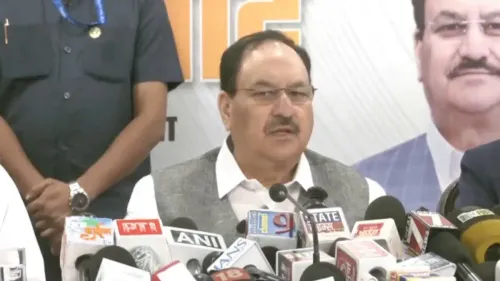
Union Health Minister and BJP national president J. P. Nadda on Saturday, 13 June 2026, credited the Narendra Modi-led central government with transforming India into a rising global power on the strength of its youth, citing 12 years of targeted policy action across education, skills, startups, and sports.
Context
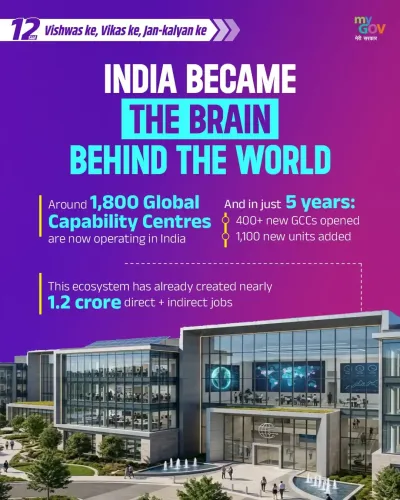
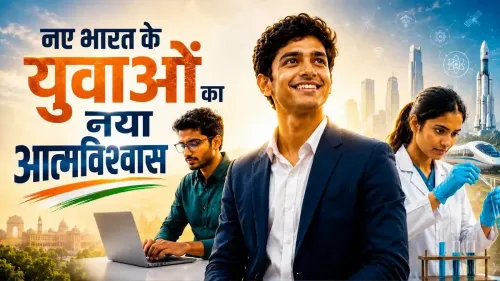
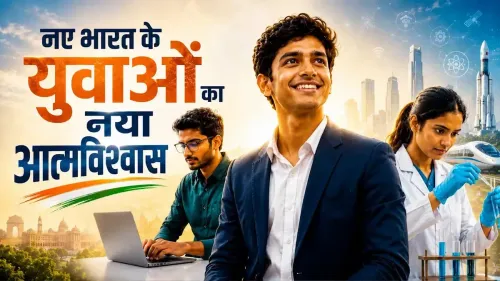
Posting under the hashtag #12YearsOfYuvaShakti ('12 Years of Youth Power'), Nadda stated that India has become the world's third-largest startup ecosystem and the second-largest artificial intelligence talent pool, driven by the energy of its young population. He described the country as 'ek ubharti vaishvik shakti' — 'an emerging global power' — powered by youth.
The post marks a broader BJP communication campaign celebrating a dozen years of the Modi government's youth-focused governance, anchoring the message around measurable global rankings and flagship scheme outcomes.
Policy Backdrop
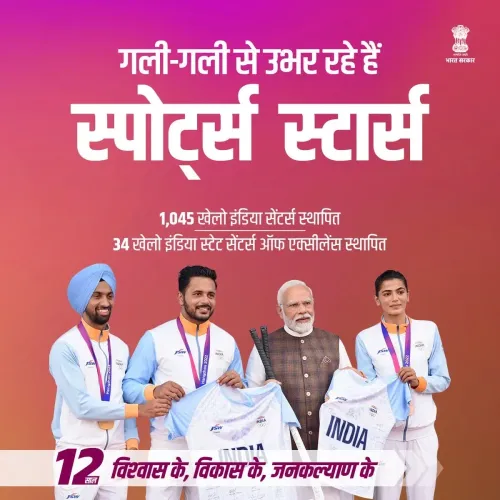
Nadda specifically named five landmark programmes as pillars of this transformation: Startup India, Digital India, Skill India, Khelo India, and Make in India. He described these as 'aitihasik neetiyan' — 'historic policies' — through which millions of youth are contributing to building a 'Viksit evam Atmanirbhar Bharat', or 'Developed and Self-Reliant India'.
Make in India was announced on 25 September 2014 to boost domestic manufacturing and attract foreign investment. Digital India and Skill India followed in 2015, expanding broadband access and vocational training respectively. Startup India was formally launched on 16 January 2016 with a dedicated action plan to ease business formation, and Khelo India arrived in 2017 to build grassroots sports infrastructure and identify young athletic talent.
Together, these schemes represent an integrated government approach to converting India's demographic dividend into an economic and innovation asset — reducing regulatory friction while building domestic capacity across manufacturing, technology, and services.
Stakeholders and Impact
The primary beneficiaries of this policy architecture are India's youth — startup founders, skilled job seekers, student athletes, and technology professionals. The Skill India mission has channelled millions of young Indians into industry-relevant short-term courses and apprenticeship programmes, while Startup India has provided tax incentives, compliance relief, and funding access to new ventures.
The government's framing positions these schemes as mutually reinforcing: digital infrastructure lowers barriers to entrepreneurship, manufacturing incentives create employment, and sports development broadens the definition of opportunity for youth beyond academic and corporate pathways.
What's Next
The political messaging around #12YearsOfYuvaShakti is likely to intensify as the BJP consolidates its governance narrative ahead of future electoral cycles. Analysts and policy observers will watch closely for the next Union Budget allocations for Skill India and Startup India funds, as well as fresh rankings from government or industry bodies on India's standing in global startup and artificial intelligence talent surveys. Whether the momentum translates into measurable employment and income outcomes for youth at scale remains the central question for the years ahead.
Point of View
Using verifiable global rankings — startup ecosystem size, AI talent depth — to give quantitative weight to what might otherwise read as a routine anniversary message. By bundling five distinct flagship schemes under a single hashtag, the BJP is constructing a unified 'youth dividend' narrative that can travel across constituencies. The framing of India as an 'emerging global power' driven by youth is consistent with the government's broader Atmanirbhar Bharat arc, which seeks to link domestic policy wins to India's rising international stature. The messaging also signals that youth empowerment will remain a central electoral and policy theme in the near term.
NationPress
23 Sept 2026
Frequently Asked Questions
What is #12YearsOfYuvaShakti?
#12YearsOfYuvaShakti is a BJP social media campaign marking 12 years of the Narendra Modi government's youth-focused policies, launched in June 2026 to highlight achievements in startups, skills, sports and digital access.
What did JP Nadda say about India's startup ecosystem?
J. P. Nadda stated in his post that India has become the world's third-largest startup ecosystem and the second-largest AI talent pool, attributing this to 12 years of Modi government policy initiatives.
What are the five flagship schemes Nadda mentioned?
Nadda cited Startup India, Digital India, Skill India, Khelo India, and Make in India as the five historic policies driving youth empowerment and the vision of a Developed and Self-Reliant India.
When was Startup India launched?
Startup India was formally launched on 16 January 2016 with a dedicated action plan aimed at easing business formation through tax benefits, simplified compliance and funding support for new ventures.
What is Atmanirbhar Bharat?
Atmanirbhar Bharat, meaning Self-Reliant India, is the Modi government's overarching economic vision to reduce import dependence, boost domestic manufacturing and innovation, and integrate India more deeply into global value chains.