Nadda Marks 12 Years of Modi Govt, Cites DBT and Economic Rise
Synopsis
Union Minister J. P. Nadda marked twelve years of the Modi government on June 13, 2026, highlighting India's emergence as a top global economy and crediting the Direct Benefit Transfer scheme for boosting transparency and delivering large-scale economic benefit to citizens.
Key Takeaways
Nadda posted on X on June 13, 2026 marking 12 years of the Narendra Modi -led government under the hashtag #12YearsOfSeva .
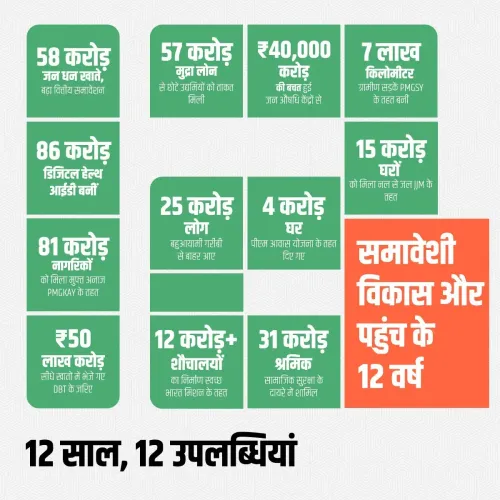
He stated that India has risen to become one of the world's leading economies , moving from the 10th to the 5th largest by nominal GDP since 2014.
Direct Benefit Transfer (DBT) , launched in 2013 and scaled after 2014, was cited as a key driver of transparency and fiscal efficiency.
DBT operates through integration with Aadhaar and Pradhan Mantri Jan Dhan Yojana accounts, covering subsidies, pensions, scholarships and more.
Nadda's post reflects the BJP's broader political messaging combining macro-economic growth with visible welfare delivery ahead of state electoral cycles.
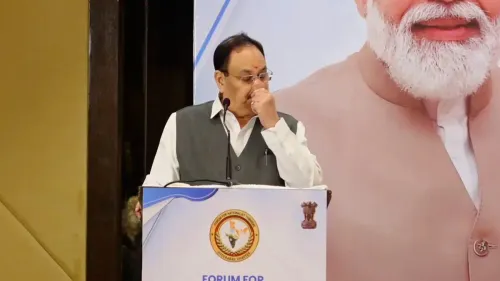
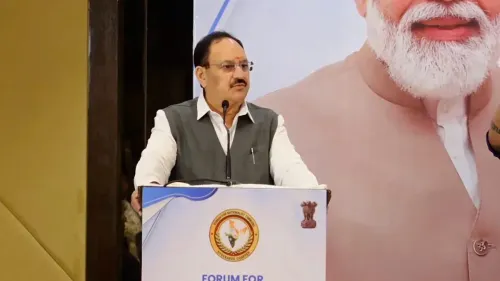
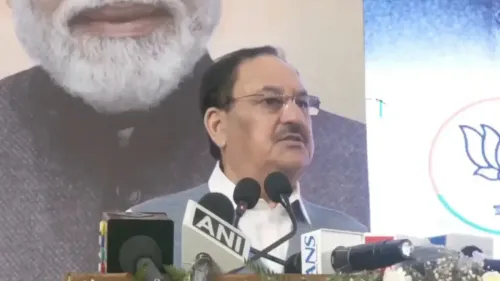
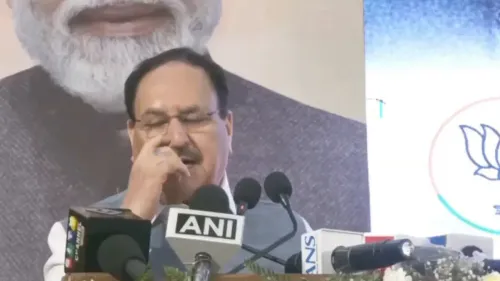
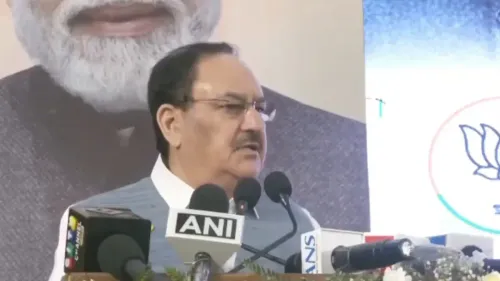
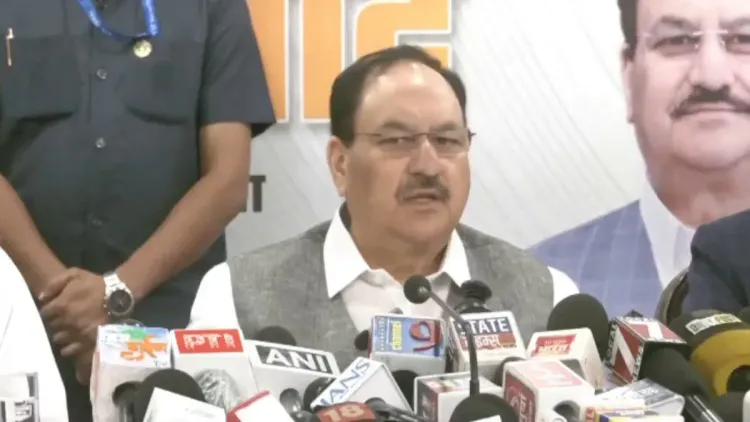
Union Health Minister and BJP national president J. P. Nadda on Saturday, June 13, 2026, marked twelve years of the Narendra Modi-led government by highlighting India's rise among the world's major economies and crediting decisive policy interventions — particularly the Direct Benefit Transfer (DBT) scheme — for bringing greater transparency and fiscal efficiency to public welfare delivery.
Context
Posting on X under the hashtag #12YearsOfSeva ('12 Years of Service'), Nadda wrote that 'under the leadership of Prime Minister Shri Narendra Modi, India has touched new heights of development' and that the country 'is now counted among the world's leading economies and is moving forward at a fast pace.' The post comes as the ruling Bharatiya Janata Party (BJP) marks the completion of twelve years since the Modi government first assumed office in May 2014.
Nadda specifically pointed to 'decisive policies and schemes like DBT' as having increased transparency and delivered 'significant economic benefit to the country' — urging that this impact be kept in mind. The post was accompanied by a video and carried the party's signature seva-anniversary framing.
Policy Backdrop
The Direct Benefit Transfer mechanism was formally launched in 2013 and was scaled up nationally after 2014 through integration with Aadhaar biometric identities and Pradhan Mantri Jan Dhan Yojana bank accounts. The architecture was designed to eliminate middlemen from the subsidy chain, reducing leakages and ensuring that benefits — ranging from cooking-gas subsidies to pensions and scholarship payments — reached intended beneficiaries directly in their bank accounts.
Since 2014, successive Union budgets have expanded DBT coverage across dozens of central schemes, making it one of the government's most cited examples of technology-enabled public finance management. India's rise from the 10th to the 5th largest economy by nominal GDP over this period — driven by services growth, manufacturing incentives under schemes such as Production-Linked Incentives, and stepped-up infrastructure spending — has become a recurring reference point in BJP's political communication.
Stakeholders and Impact
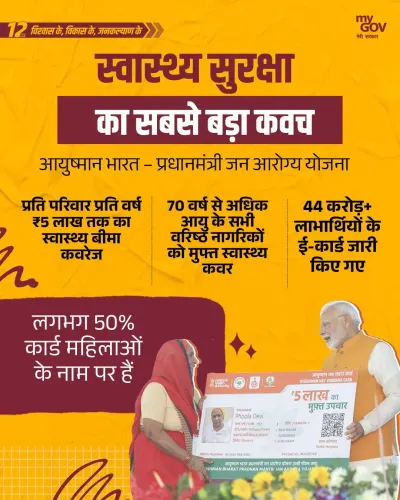
The primary beneficiaries of the DBT architecture are welfare recipients across rural and urban India — including farmers receiving PM-KISAN instalments, students on scholarship programmes, and households covered under food and fuel subsidy regimes. Economists and fiscal analysts have broadly acknowledged that direct transfers reduce administrative costs and limit diversion, though debates continue over exclusion errors linked to Aadhaar-seeding requirements.
For the BJP, the twelve-year milestone serves as a political inflection point, with senior leaders across ministries amplifying the governance-and-growth narrative ahead of state electoral cycles. Nadda's post, combining the economic and transparency themes, reflects the party's dual messaging: macro-economic credibility alongside visible welfare delivery.
What's Next
Attention will now turn to forthcoming Union Budget sessions and Economic Survey releases, where new modules expanding DBT coverage or updated fiscal-savings data are expected to be presented. The government's ability to sustain the economic momentum Nadda references — and to demonstrate measurable DBT outcomes in health and fertiliser sectors, both under his ministerial charge — will be closely watched by policymakers and welfare advocates alike.
Point of View
Given its broad cross-party acceptance as a welfare tool. By pairing macro-economic rank with a grassroots-facing scheme, the messaging bridges elite and popular audiences simultaneously. The explicit call to 'keep in mind' the economic benefit signals an intent to set the interpretive frame for the anniversary cycle rather than simply celebrate it. As BJP national president and a senior cabinet minister, Nadda's amplification also serves to mobilise the party's organisational machinery around a unified twelve-year narrative ahead of upcoming electoral contests.
NationPress
22 Sept 2026
Frequently Asked Questions
What is the #12YearsOfSeva hashtag about?
The hashtag #12YearsOfSeva, meaning '12 Years of Service,' marks the completion of twelve years since the Narendra Modi-led government first came to power in May 2014, with BJP leaders using it to highlight governance and development milestones.
What is Direct Benefit Transfer (DBT) and why is it significant?
Direct Benefit Transfer is a central government mechanism that electronically transfers subsidies, pensions, scholarships and other welfare payments directly into beneficiaries' bank accounts, reducing leakages and middlemen. It was formally launched in 2013 and expanded significantly after 2014 through Aadhaar and Jan Dhan linkages.
What did J. P. Nadda say about India's economy?
Nadda stated that under Prime Minister Modi's leadership, India has touched new heights of development, is now counted among the world's leading economies, and is moving forward rapidly, crediting decisive policies and DBT for increased transparency and economic benefit.
How has India's global economic ranking changed since 2014?
India moved from being the 10th largest economy to the 5th largest by nominal GDP between 2014 and the mid-2020s, driven by growth in services, manufacturing incentives, and infrastructure investment.
What role does J. P. Nadda hold in the government and the BJP?
J. P. Nadda serves as Union Minister of Health and Family Welfare and Minister of Chemicals and Fertilizers in the Modi cabinet, and also holds the position of national president of the Bharatiya Janata Party (BJP).