Nagaland delegation visits Tripura to boost clean energy ties in Northeast
Synopsis
Nagaland sent a 10-member renewable energy delegation to Tripura for a two-day study visit focused on PM-KUSUM and solar installations — a quiet but significant move toward formalising inter-state clean energy collaboration in Northeast India, with Tripura emerging as a regional model for renewable adoption.
Key Takeaways
A 10-member Nagaland delegation led by Adviser Picto Shohe completed a two-day study visit to Tripura last week to learn from its renewable energy programmes.
The visit focused on the PM-KUSUM scheme and installations by the Tripura Renewable Energy Development Agency (TREDA) .
Projects inspected included an 80-kWp and a 500-kWp solar PV plant, a 100-kW solar plant at the Agartala Land Port, and a biogas facility at the Ramakrishna Mission Complex .
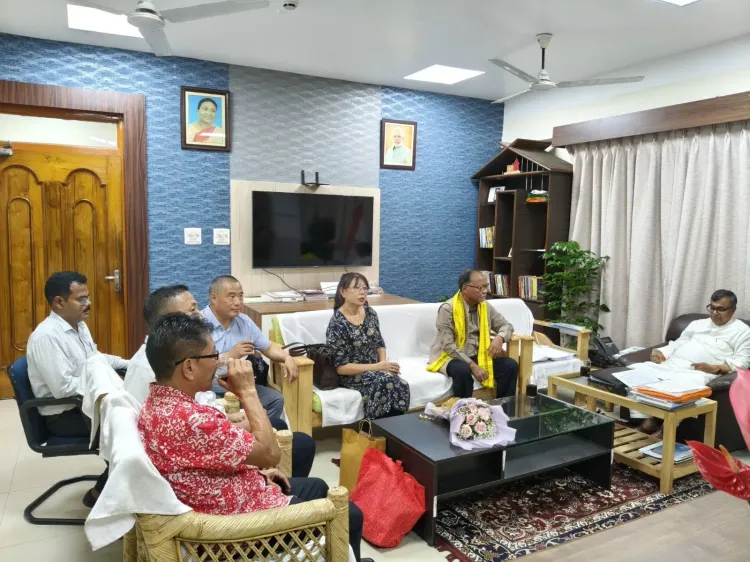
Tripura Power Minister Ratan Lal Nath and Power Secretary Abhishek Chandra hosted bilateral discussions on policy, financing, and inter-state collaboration.
The delegation also met Tripura University Vice-Chancellor Prof.
Shyamal Das to explore research and capacity-building partnerships.
A 10-member delegation from Nagaland's Department of New and Renewable Energy, led by Adviser Picto Shohe, completed a two-day study visit to Tripura last week to learn from the state's renewable energy programmes, with a focus on the PM-KUSUM (Pradhan Mantri Kisan Urja Suraksha evam Utthan Mahabhiyan) scheme. The visit, confirmed by officials on Monday, 29 June, signals a concerted push by Nagaland to deepen inter-state clean energy cooperation across the Northeastern region.
High-Level Meetings and Bilateral Discussions
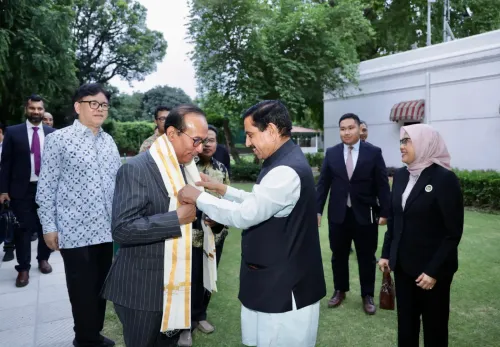
Adviser Picto Shohe met Tripura Power Minister Ratan Lal Nath during the visit to discuss avenues for strengthening bilateral cooperation in the renewable energy sector. Minister Nath noted that the engagement offered a meaningful platform to share best practices and explore new pathways for sustainable development, particularly in renewable energy and public welfare.
The delegation also participated in a review meeting chaired by Tripura Power Secretary Abhishek Chandra, attended by TREDA Director Debabrata Sukla Das and other senior officials. Discussions covered project implementation, policy initiatives, financing mechanisms, and inter-state collaboration opportunities.
Renewable Energy Installations Inspected
The team — comprising Secretary Linda Solo, Director Er. James Khala, and other departmental officials — visited several installations developed by the Tripura Renewable Energy Development Agency (TREDA). Projects inspected included:
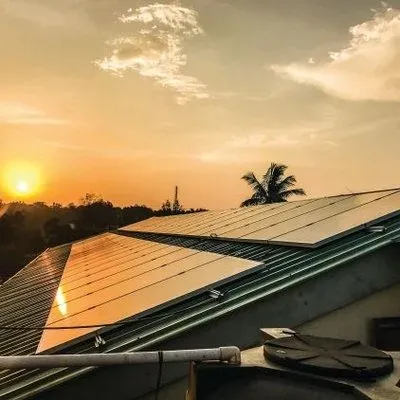
Off-grid solar water pumping systems; solarisation of existing grid-connected agricultural pumps; an 80-kWp grid-connected solar photovoltaic (PV) power plant under the Virtual Net Metering Arrangement; a community solar water purification plant; solar high-mast and street lighting systems; a 500-kWp grid-connected solar PV power plant developed under the RESCO model at Tripura University; a biogas plant at the Ramakrishna Mission Complex in Amtali; and a 100-kW solar power plant at the Integrated Check Post (Land Port) in Agartala.
Ground-Level Learning at Gram Panchayats
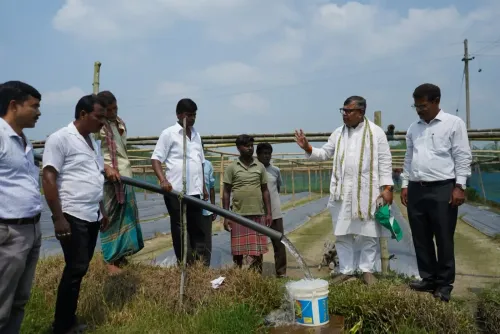
At Sathdubai Gram Panchayat and Rangacherra Gram Panchayat, the delegation interacted directly with officials and beneficiaries to understand the on-ground implementation of off-grid solar water pumps, solarised irrigation systems, and the Green Village initiative, including the operation of a community solar water purification plant. The Nagaland team reportedly appreciated Tripura's achievements in sustainable irrigation, clean drinking water, rural electrification, and community infrastructure.
Academic Collaboration on the Agenda
On the second day, the delegation met Tripura University Vice-Chancellor Prof. Shyamal Das to explore collaboration in renewable energy awareness, research, skill development, and capacity-building programmes for the Northeastern region. The team also inspected the university's solar power plant and the biogas facility at the Ramakrishna Mission Complex, Amtali.
This visit marks a notable step in Northeast India's emerging model of inter-state energy diplomacy, with Tripura increasingly positioning itself as a knowledge hub for renewable energy adoption. Whether Nagaland translates these learnings into on-ground implementation will be closely watched in the months ahead.
Point of View
Multi-official delegation — rather than a routine bureaucratic exchange — signals intent. The real question is whether this translates into a replicable policy framework or remains a study tour on paper. Northeast India's energy security challenge is real, and inter-state knowledge transfer, if institutionalised, could accelerate adoption without reinventing the wheel in each state.
NationPress
28 Sept 2026
Frequently Asked Questions
Why did Nagaland send a delegation to Tripura for clean energy?
Nagaland's Department of New and Renewable Energy sent a 10-member team to Tripura to study its successful implementation of renewable energy programmes, particularly the PM-KUSUM scheme. The visit aimed to identify best practices that Nagaland could adopt to advance its own sustainable development and energy security goals.
What is the PM-KUSUM scheme and why is it relevant here?
PM-KUSUM (Pradhan Mantri Kisan Urja Suraksha evam Utthan Mahabhiyan) is a central government scheme that promotes solar energy for agricultural use, including solar-powered irrigation pumps. Tripura's implementation of the scheme was a primary focus of the Nagaland delegation's visit, given its success in rural electrification and sustainable irrigation.
Which renewable energy projects did the Nagaland delegation inspect in Tripura?
The delegation inspected an 80-kWp and a 500-kWp grid-connected solar PV plant, a 100-kW solar plant at the Agartala Integrated Check Post, off-grid solar water pumping systems, a community solar water purification plant, solar street lighting, and a biogas plant at the Ramakrishna Mission Complex in Amtali.
Who led the Nagaland delegation to Tripura?
The delegation was led by Adviser for New and Renewable Energy Picto Shohe and included Secretary Linda Solo, Director Er. James Khala, and other departmental officials from Nagaland's Department of New and Renewable Energy.
What is the significance of this visit for Northeast India?
The visit reflects a growing trend of inter-state energy cooperation in Northeast India, with Tripura emerging as a knowledge hub for renewable energy adoption. Officials from both states indicated interest in institutionalising collaboration on policy, financing, research, and capacity-building across the region.