Delhi NCR air pollution: Bhupender Yadav orders zero-tolerance crackdown, daily monitoring
Synopsis
Even while abroad in Turkey, Union Environment Minister Bhupender Yadav convened a virtual crackdown meeting on Delhi NCR's winter pollution crisis — ordering zero-tolerance on waste burning, Quick Response Teams in every ward, and time-bound clean-up of the Bhalswa and Okhla dumpsites. It's a signal that the Centre is tightening the screws on civic bodies before peak smog season hits.
Key Takeaways
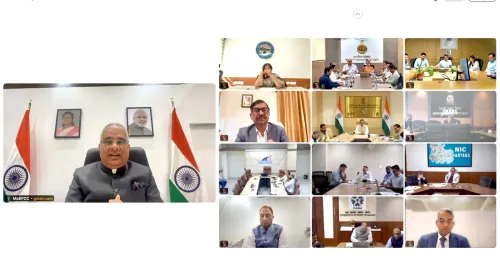
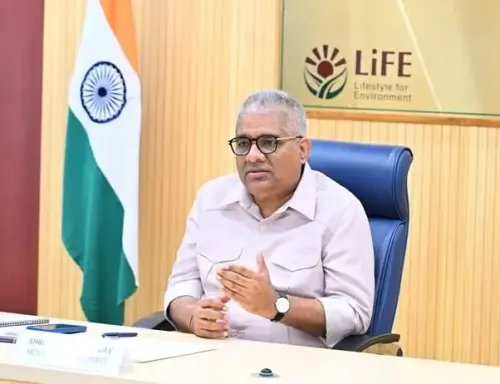
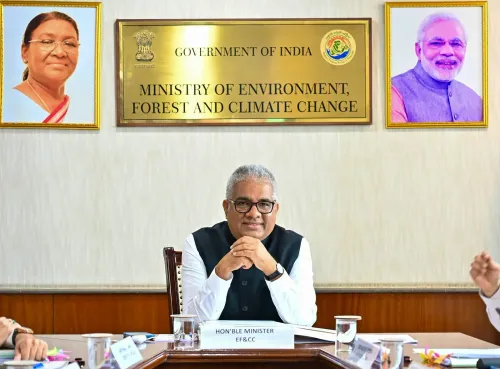
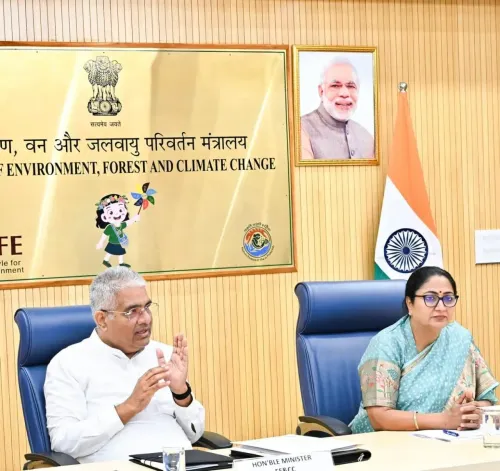
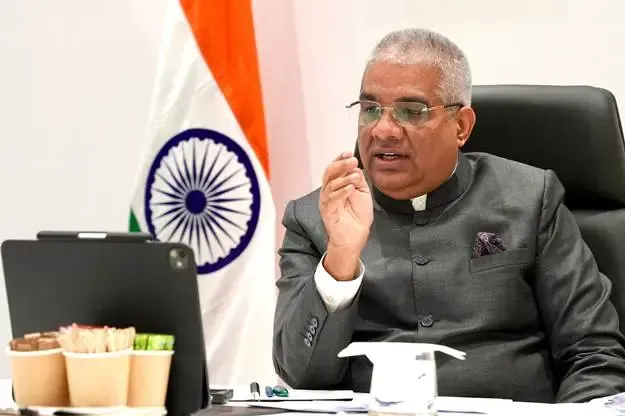
Union Environment Minister Bhupender Yadav chaired a virtual review from Antalya, Turkey on 19 November 2026 to assess Delhi-NCR Winter Action Plans .
Civic bodies in Delhi , Ghaziabad , Noida , Gurugram , and Faridabad were directed to enforce a zero-tolerance policy on open burning of waste, dry leaves, and biomass.
Quick Response Teams are to be operationalised in every ward to handle public complaints within hours.
Time-bound legacy waste remediation ordered at Bhalswa and Okhla dumpsites, with immediate corrective action on daily waste processing.
Civic bodies urged to scale up Mechanical Road Sweeping Machines , including double-shift operations during winter.
Tech-driven models such as MC Delhi's Malba App and Ghaziabad's C&D waste portal recommended for replication across NCR.
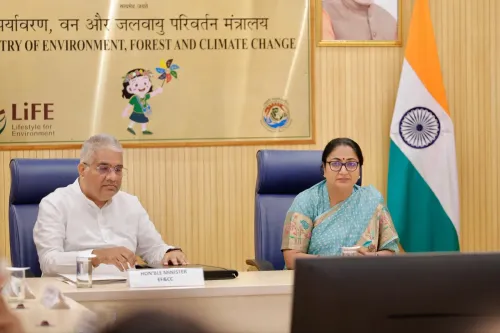
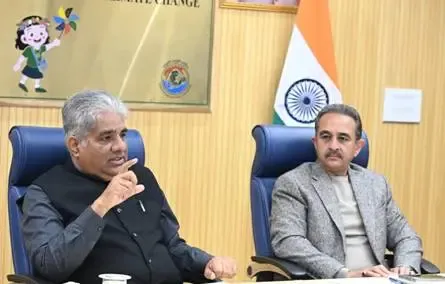
Union Environment Minister Bhupender Yadav on Thursday, 19 November 2026, chaired a high-level review meeting virtually from Antalya, Turkey, directing civic bodies across Delhi, Ghaziabad, Noida, Gurugram, and Faridabad to enforce air quality guidelines strictly and conduct daily monitoring to bring down pollution levels across the Delhi-NCR region. The meeting assessed the preparedness and on-ground implementation of Winter Action Plans for air pollution control, with the minister underscoring that the winter period demands 'visible and sustained action.'
Key Directions Issued
Yadav directed all Municipal Corporations to adopt a zero-tolerance approach towards open burning of municipal waste, dry leaves, and biomass, with prompt penal action mandated against violators. He called for the immediate operationalisation of Quick Response Teams in every ward, with a mandate to respond to public complaints within hours. Accountability of concerned officers for enforcement failures was also specifically flagged.
On road dust management, the minister directed civic bodies to expedite road repairs, augment the capacity of Mechanical Road Sweeping Machines (MRSMs) on a war footing, and ensure their full utilisation — including double-shift operations during the winter season.
Waste Management in Focus
Yadav called for immediate corrective measures to ensure complete processing of daily municipal waste, along with time-bound remediation of legacy waste — particularly at the Bhalswa and Okhla dumpsites, which have long been identified as major contributors to Delhi's air quality crisis. The order reflects growing pressure on civic agencies that have faced repeated criticism for slow progress at these sites.
Tech and Governance Innovations Recommended
The minister urged civic bodies to replicate successful models already deployed across the NCR, including MC Delhi's Malba App for debris management, MC Faridabad's Pothole Ambulance, MC Gurugram's survey-based identification of sanitation workers, and Ghaziabad Nagar Nigam's shareable Construction and Demolition (C&D) waste portal. He also stressed the need for regular ward-level reviews by Mayors and the creation of dedicated WhatsApp groups with nodal officers for time-bound grievance redressal.
Yadav emphasised that governance must become more citizen-centric and facilitative, adding that citizens should not be subjected to unnecessary panic while pollution control measures are being enforced, according to an official statement.
Who Attended the Meeting
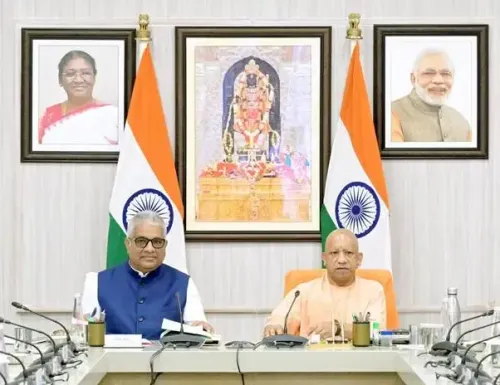
The review was attended by Union Minister of State (MoEFCC) Kirti Vardhan Singh; Secretary (MoEFCC) Narendra Bhooshan; Chairperson (CAQM) Rajesh Verma; Secretary (Department of Capital Development, MoHUA) D. Thara; and Director General and Special Secretary (MoEFCC) Santosh Tewari, along with Mayors, Municipal Commissioners, the CEO of Noida Authority, and senior state government officials. Tarun Pithode, Member Secretary of the Commission for Air Quality Management (CAQM), presented city-wise progress updates, while Chairperson Verma provided an overview of on-ground implementation and pending measures.
What Comes Next
With winter smog conditions typically peaking between November and January, the pressure on NCR civic bodies to deliver tangible results will intensify in the coming weeks. The Centre's focus on ward-level accountability and digital grievance mechanisms signals a shift toward decentralised, real-time enforcement — though whether on-ground compliance keeps pace with these directives remains to be seen.
Point of View
Faster dumpsite remediation, and ward-level accountability have all been ordered before. The real question is enforcement depth: Bhalswa and Okhla have featured in action plans for years without resolution, and Quick Response Teams are only as effective as the municipal cadres staffing them. Until CAQM's monitoring translates into documented penal actions — with names, dates, and penalties made public — this risks being another high-level meeting whose urgency dissipates by the next smog forecast.
NationPress
19 Nov 2026
Frequently Asked Questions
What did Bhupender Yadav direct at the Delhi NCR pollution review meeting?
Union Environment Minister Bhupender Yadav directed civic bodies across Delhi, Ghaziabad, Noida, Gurugram, and Faridabad to enforce a zero-tolerance policy on open waste burning, operationalise Quick Response Teams in every ward, and ensure daily monitoring of air quality. He also ordered time-bound legacy waste clean-up at the Bhalswa and Okhla dumpsites.
Where was the pollution review meeting held?
The meeting was chaired virtually by Minister Bhupender Yadav from Antalya, Turkey, on 19 November 2026. It was attended in person and virtually by senior officials from MoEFCC, CAQM, MoHUA, and civic bodies across the NCR.
What is the Winter Action Plan for Delhi NCR?
The Winter Action Plan is a seasonal framework under the Commission for Air Quality Management (CAQM) that outlines specific measures civic bodies must implement to reduce air pollution during the winter months, when smog conditions are at their worst in Delhi-NCR. It covers waste management, road dust control, construction emissions, and enforcement of anti-burning rules.
Which dumpsites were specifically mentioned for clean-up?
Minister Yadav specifically called out the Bhalswa and Okhla dumpsites in Delhi for time-bound legacy waste remediation. Both sites have long been identified as significant contributors to the city's air quality problem.
What technology-based initiatives were recommended at the meeting?
The minister recommended that civic bodies replicate successful models already in use across the NCR, including MC Delhi's Malba App for debris tracking, MC Faridabad's Pothole Ambulance, MC Gurugram's survey-based identification of sanitation workers, and Ghaziabad Nagar Nigam's shareable Construction and Demolition waste portal.