Nithin Raj suicide case: Kerala HC questions DySP over arrest lapses, asks if deliberate
Synopsis
The Kerala High Court did not just flag a procedural lapse in the Nithin Raj suicide case — it asked the supervising DySP directly whether the botched arrest of the prime accused was deliberate. With a trial court having already declared the first arrest illegal and disciplinary proceedings pending, the case raises hard questions about accountability in caste-sensitive investigations.
Key Takeaways
Kerala High Court questioned DySP Sudheer Kallan over procedural lapses in the arrest of prime accused Dr M.
Kodanda Ram in the Nithin Raj suicide case .
Badharudeen asked directly whether the lapses were deliberate, referencing the Home Department's credibility.
A trial court had earlier declared Dr Kodanda Ram's first arrest illegal as police failed to furnish grounds of arrest as required by Supreme Court directions.
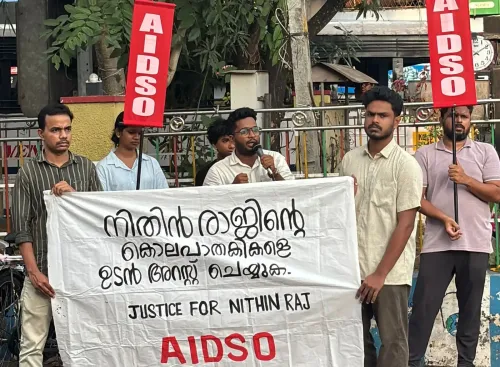
Nithin Raj was a Dalit dental student who allegedly died by suicide after facing caste-based harassment.
The High Court is awaiting the outcome of disciplinary proceedings against responsible officers before the next hearing in two weeks .
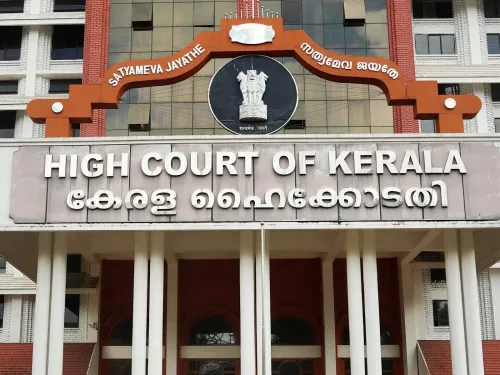
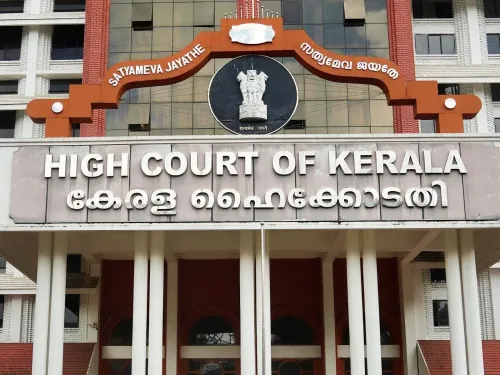
The Kerala High Court on Friday, 25 July came down sharply on police over procedural failures in the arrest of the prime accused in the Nithin Raj suicide case, with Justice A. Badharudeen directly questioning whether the lapses were intentional. The case involves Nithin Raj, a Dalit dental student who allegedly died by suicide after facing caste-based harassment.
What the Court Said
Justice Badharudeen grilled Deputy Superintendent of Police (DySP) Sudheer Kallan over the shortcomings in the arrest of Dr M. Kodanda Ram, a professor at Kannur Dental College and the prime accused in the case. The court was unsparing in its observations, noting that investigations in sensitive cases must leave no room for procedural gaps that could ultimately benefit the accused.
'In such a sensitive case, there should be no loopholes in the investigation or arrest that would enable the accused to escape the clutches of law,' the court observed, pressing the officer on what supervisory role he had played.
Was It Deliberate?
The court went further, raising the pointed question of whether the lapses were wilful. 'Is this an attempt to tarnish the Home Department, which is doing many good things, including Operation Toofan? Do you want to take revenge on the government?' Justice Badharudeen asked. The DySP denied any such intent, responding, 'Nothing like that, Your Lordship.'
How the Arrest Lapse Occurred
Dr Kodanda Ram was initially arrested in connection with Nithin Raj's death. However, a trial court subsequently declared the arrest illegal, finding that police had failed to furnish the grounds of arrest to the accused at the time of detention — a requirement mandated by Supreme Court directions. The professor was rearrested only after the procedural defect was rectified.
During the hearing, the court questioned how such a fundamental lapse had occurred. 'How many arrests have you made as a DySP? You have given grounds of arrest in other cases. Why was it omitted in this case?' the judge asked. The court reminded the officer that his duty was to conduct a fair and impartial investigation, protecting neither side.
Background: The Nithin Raj Case
The case centres on Nithin Raj, a Dalit dental student who reportedly died by suicide after allegedly being subjected to caste-based harassment. His parents filed the petition before the Kerala High Court seeking clarity on the implementation of Supreme Court directions requiring that the grounds of arrest be communicated to an accused at the time of detention. The case has drawn attention to both the alleged harassment and the subsequent handling of the investigation.
What Happens Next
The Kerala High Court also reminded the Public Prosecutor that it had earlier called for disciplinary proceedings against the officers responsible for the lapses. The court indicated it would await the outcome of those proceedings before taking up the matter again after two weeks. The case is being closely watched as a test of accountability in caste-sensitive investigations.
Point of View
Settled by the Supreme Court, to be overlooked in a high-profile, politically sensitive investigation. Disciplinary proceedings, if they materialise, will be the first real test of whether the system is willing to hold itself accountable.
NationPress
24 Jul 2026
Frequently Asked Questions
Who is Nithin Raj and why is his case significant?
Nithin Raj was a Dalit dental student who allegedly died by suicide after facing caste-based harassment. The case is significant because it involves both allegations of caste discrimination and serious procedural lapses by the police in arresting the prime accused.
Why was the first arrest of Dr Kodanda Ram declared illegal?
A trial court declared the arrest of Dr M. Kodanda Ram illegal because police failed to furnish him with the grounds of arrest at the time of detention, as mandated by Supreme Court directions. He was subsequently rearrested after the procedural defect was corrected.
What did the Kerala High Court ask the DySP?
Justice A. Badharudeen questioned DySP Sudheer Kallan on his supervisory role during the investigation and directly asked whether the procedural lapses were deliberate — including whether they were intended to undermine the Home Department or the government.
What is the current status of the case?
The Kerala High Court is awaiting the outcome of disciplinary proceedings against the officers responsible for the arrest lapses. The next hearing is scheduled after two weeks.
What are the Supreme Court directions referenced in this case?
The Supreme Court has directed that the grounds of arrest must be communicated to an accused at the time of arrest. It was the failure to comply with this requirement that led the trial court to declare Dr Kodanda Ram's first arrest illegal.