Sam Pitroda on 1984 anti-Sikh riots: 'No point talking about 40-year-old events'
Synopsis
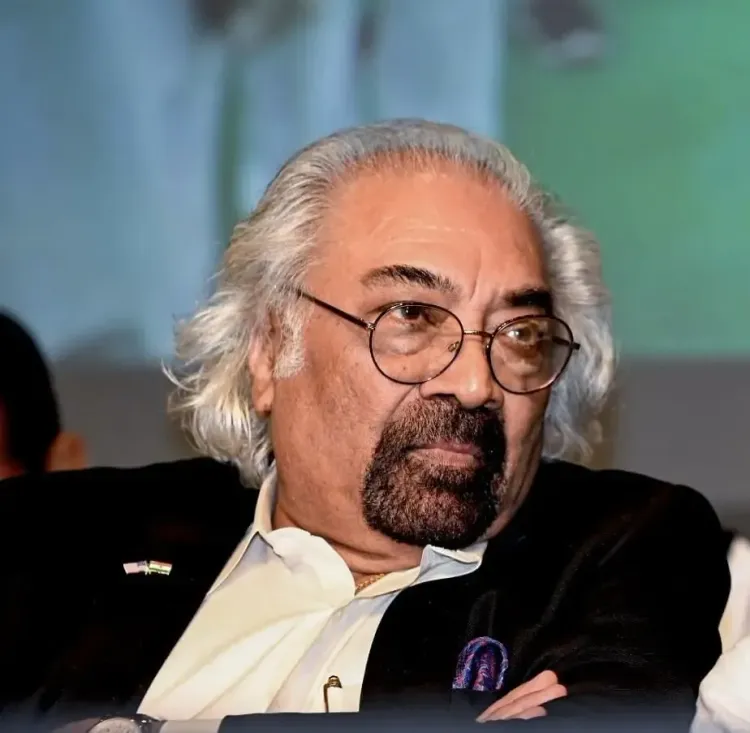
Sam Pitroda, the Indian Overseas Congress chief, has openly questioned the relevance of revisiting the 1984 anti-Sikh riots, calling instead for a focus on AI, jobs, and youth. His comments — 'let the courts decide, why do we dig things up?' — reignite a debate that has repeatedly cost Congress political capital among Sikh voters.
Key Takeaways
Sam Pitroda , chief of the Indian Overseas Congress , said on 12 November 2026 there is 'no point' in repeatedly discussing the 1984 anti-Sikh riots .
He argued courts and relevant authorities should be allowed to decide on the matter, without public 'mud-throwing'.
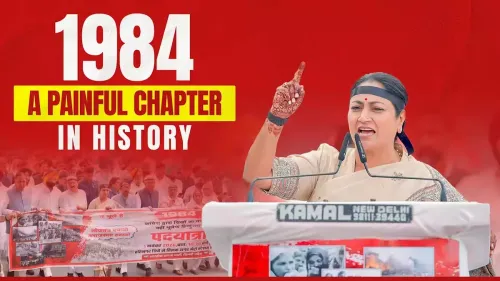
The 1984 riots erupted after the assassination of PM Indira Gandhi on 31 October 1984 ; several bodies describe them as a Sikh genocide .
Pitroda called for national focus on children's education, employment, skill development, and Artificial Intelligence .
His remarks are likely to intensify scrutiny of Congress 's stance on accountability for the 1984 violence ahead of key electoral contests.
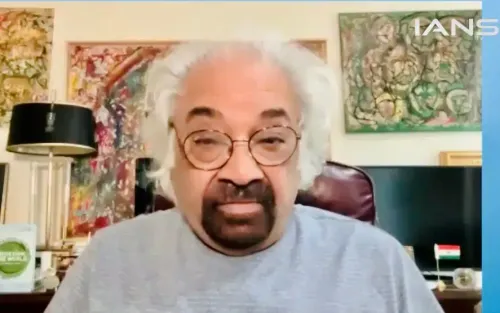
Indian Overseas Congress chief Sam Pitroda (Satyanarayan Gangaram Pitroda) on 12 November 2026 questioned the relevance of continuing discussions about the 1984 anti-Sikh riots, arguing that India should instead focus on building a prosperous future for its younger generations. His remarks came in response to a direct question about whether the Congress should be held accountable for the violence that erupted nearly four decades ago.
What Pitroda Said
Asked explicitly about Congress's accountability for the 1984 anti-Sikh riots, Pitroda dismissed the premise of continued public debate. "What is the sense in talking about something that happened 40 years ago now? I have said many times there has been so much conversation on it. You know, let the people in court and others decide. Why do we just dig things up and throw mud? I don't understand our attitude. What does that have to do with today? How long can you go on with this? You've got to look at the future," he said.
He went further, drawing a pointed analogy: "That was more than 40 years ago. And this has been going on. Let's look at the future. Let's move on. Let's design a better, prosperous, peaceful nation for everybody. That should be the agenda. Not what happened in Ram's time or why did Hanuman go here, why did he lift the mountain?" Pitroda said.
The 1984 Riots: Background
The violence Pitroda was asked about erupted following the assassination of then Prime Minister Indira Gandhi on 31 October 1984 by her two Sikh bodyguards, Beant Singh and Satwant Singh. The killing itself came months after Operation Blue Star in June 1984 — the military operation at the Golden Temple in Amritsar aimed at flushing out separatist militant Jarnail Singh Bhindranwale and his armed followers from the Akal Takht and parts of the sacred complex.
The riots that followed Indira Gandhi's assassination involved a series of coordinated attacks against members of the Sikh community across India. Several Sikh organisations and international bodies have described the violence as a Sikh genocide, a characterisation that remains contested in Indian legal and political discourse.
His Argument: Future Over Past
Pitroda framed his deflection from accountability as a broader call for forward-looking governance. He argued that children's education, employment opportunities, and skill development deserved far greater national attention than historical grievances. "It makes very little sense today to talk a lot about the past. We are still hung up on the past. We've got to look forward. We've got to see the future of our children, our grandchildren, their education, their employment, their jobs, in a sense, their skill set. That is the real challenge," he said.
He also urged the younger generation to engage more with emerging issues such as Artificial Intelligence (AI) and education challenges rather than dwell on decades-old events. His remarks echo a pattern: Pitroda has previously sparked controversy with comments on inheritance tax and on the 1984 riots, drawing sharp political responses.
Political and Community Context
Pitroda's remarks are likely to draw fresh scrutiny given the sensitivity of the subject. The 1984 anti-Sikh riots remain a deeply contested chapter in Indian political history, with Sikh organisations, opposition parties, and human rights groups regularly pressing Congress for a fuller reckoning. Courts have continued to hear cases related to the violence. Critics argue that framing accountability as 'digging up the past' sidesteps the unresolved justice deficit still felt by survivor families.
As Congress navigates its electoral positioning, particularly in Punjab and among Sikh voters, statements from senior figures like Pitroda carry significant political weight. How the party responds — or distances itself — from these remarks will be closely watched.
Point of View
Unresolved court cases are not 'the past'; they are the present. The Congress has spent years trying to put the 1984 riots behind it electorally, especially in Punjab, but senior leaders repeatedly rip open the wound with comments like these. The more revealing question is not whether India should focus on AI and jobs — it obviously should — but why a party leader conflates that aspiration with discouraging accountability for one of independent India's worst episodes of communal violence.
NationPress
12 Nov 2026
Frequently Asked Questions
What did Sam Pitroda say about the 1984 anti-Sikh riots?
Sam Pitroda, chief of the Indian Overseas Congress, said there is 'no point' in repeatedly discussing the 1984 anti-Sikh riots and urged India to focus on the future instead. He said courts and relevant authorities should be left to decide on the matter, and that the country should concentrate on youth education, employment, and emerging challenges like AI.
What were the 1984 anti-Sikh riots?
The 1984 anti-Sikh riots were a series of coordinated attacks against members of the Sikh community across India, erupting after the assassination of Prime Minister Indira Gandhi on 31 October 1984. Several Sikh organisations and international bodies have described the violence as a Sikh genocide, though that characterisation remains contested in Indian legal discourse.
Why do the 1984 riots remain a politically sensitive issue for Congress?
The Congress-led government was in power when the violence occurred, and the party has faced decades of pressure over accountability for the riots. Courts have continued to hear related cases, and Sikh organisations regularly demand justice for survivor families. Senior Congress figures' remarks on the subject often attract sharp criticism, particularly ahead of elections in Punjab and among Sikh voters nationally.
What is Sam Pitroda's role in Congress?
Sam Pitroda, whose full name is Satyanarayan Gangaram Pitroda, is the chief of the Indian Overseas Congress, the party's overseas wing. He has been a close associate of the Gandhi family and has previously sparked controversy with public statements on economic and historical issues.
What alternative agenda did Pitroda propose instead of revisiting the 1984 riots?
Pitroda called for national attention to shift towards children's education, employment opportunities, skill development, and engagement with technologies like Artificial Intelligence. He said these represent 'the real challenge' for India's future generations.