Odisha Cabinet Approves Free KG-to-PG Education Under Gyanodaya
Synopsis
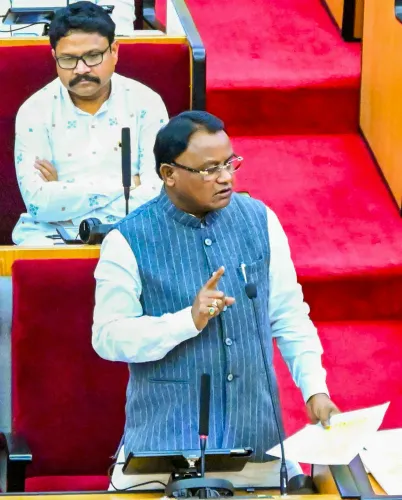
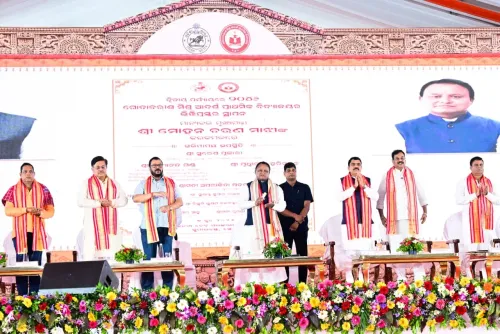
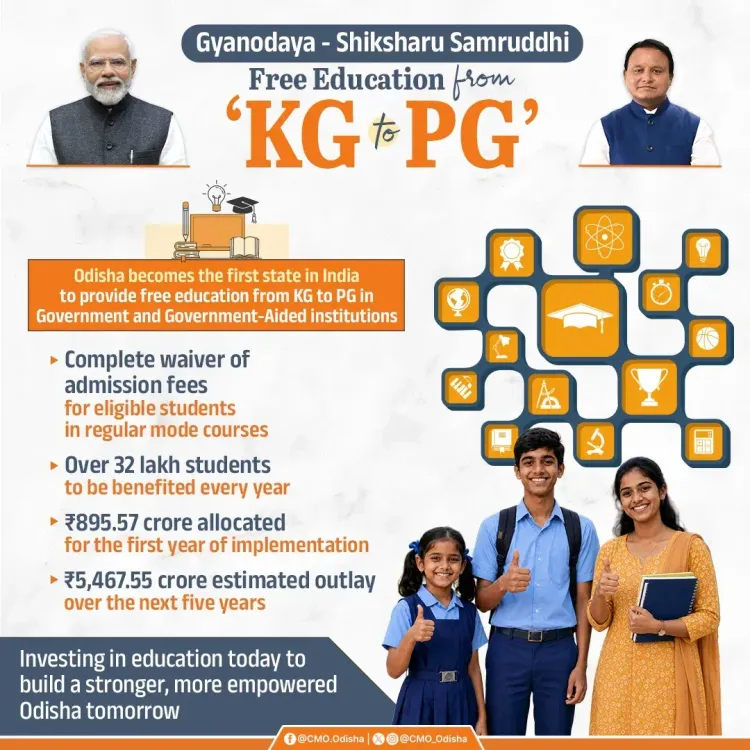
The Odisha State Cabinet, chaired by Chief Minister Mohan Charan Majhi, approved Gyanodaya – Shiksharu Samruddhi on 1 July 2026, making education free from KG to PG in all government and government-aided institutions, aiming to eliminate financial barriers for every eligible student in the state.
Key Takeaways
The Odisha State Cabinet approved Gyanodaya – Shiksharu Samruddhi on 1 July 2026 , chaired by Chief Minister Mohan Charan Majhi .
The scheme provides free education from KG to PG in all government and government-aided educational institutions in Odisha.
The initiative removes admission fees as a financial barrier, targeting equitable access to quality education for all eligible students.
The announcement was tagged to @PMOIndia , signalling alignment with central government education priorities.
Detailed implementation guidelines and budget allocations for 2026-27 are expected to follow the cabinet decision.
The scheme extends Odisha's commitment beyond the Right to Education Act, 2009 and aligns with the goals of the National Education Policy 2020 .
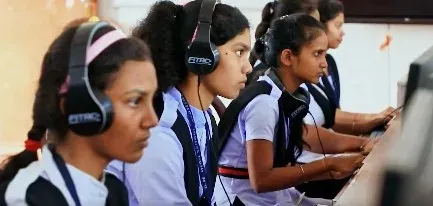
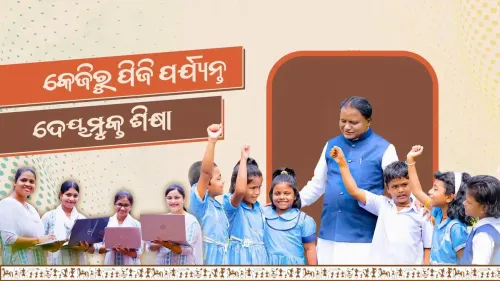
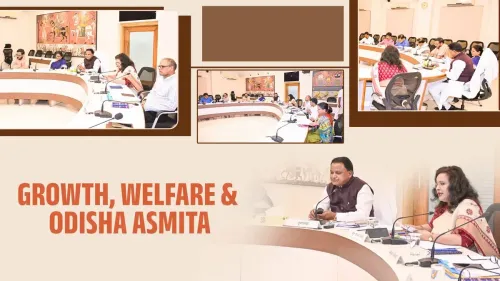
The Odisha State Cabinet, chaired by Chief Minister Mohan Charan Majhi, on Wednesday, 1 July 2026, approved a landmark education scheme called Gyanodaya – Shiksharu Samruddhi, promising free education from kindergarten through postgraduate level in all government and government-aided institutions across the state.
What the Scheme Entails
The Gyanodaya – Shiksharu Samruddhi initiative eliminates admission fees for eligible students across every stage of formal education — from KG to PG — in government and government-aided schools, colleges, and universities in Odisha. The Chief Minister's Office described the decision as 'a significant step towards ensuring equitable access to quality education by removing financial barriers.' The scheme is designed so that no student is forced to abandon studies due to inability to pay admission charges.Context
Mohan Charan Majhi took office as Chief Minister of Odisha in June 2024 after the BJP formed the state government following assembly elections that ended more than two decades of BJD rule. Education welfare has been a recurring priority for the new administration, and this cabinet decision represents one of its most sweeping commitments in the sector. The announcement was shared directly from the official Chief Minister's Office handle on X, tagging @PMOIndia, signalling that the scheme is being positioned as consistent with central government priorities.Policy Backdrop
The move builds on a long arc of national education policy. The Right to Education Act, 2009 mandated free and compulsory education for children aged 6 to 14, while the National Education Policy 2020 set ambitious goals for universal access from pre-school through higher education. Several Indian states have introduced tuition and fee waivers in government institutions to improve transition rates — particularly from secondary school into higher education — and to reduce dropout rates among students from low-income households. Odisha's scheme extends this logic all the way to the postgraduate level, which is a more expansive commitment than most comparable state-level initiatives.Stakeholders and Impact
The primary beneficiaries are students enrolled or seeking admission in Odisha's government and government-aided educational institutions, with particular significance for families that have historically been priced out of higher education. Low-income families in rural and semi-urban Odisha stand to gain the most, as admission fees — even when modest in absolute terms — have long served as a barrier to college and university enrolment. Government school teachers, college faculty, and administrative staff at aided institutions will also be affected as the scheme reshapes enrolment patterns and potentially increases student numbers. The broader ecosystem of Samagra Shiksha and state-level infrastructure will need to absorb any resulting surge in demand.What's Next
Detailed implementation guidelines and corresponding budget allocations for the 2026-27 fiscal year are expected to follow the cabinet approval. Observers will watch whether the state's aided-institution infrastructure — classrooms, faculty strength, and digital resources — can scale to meet increased enrolment. Enrolment trends in the first academic cycle after the scheme's rollout will serve as an early indicator of its on-ground reach. If implementation is smooth, Gyanodaya – Shiksharu Samruddhi could become a model cited in other states weighing similar comprehensive fee-waiver programmes.Point of View
And it signals a deliberate effort to differentiate the BJP administration from its predecessor on social spending. By extending fee waivers all the way to the postgraduate level — not just school — Odisha is staking out ground beyond what most comparable state schemes have attempted. The tag to @PMOIndia suggests the state is keen to frame this as complementary to the NEP 2020 framework, potentially seeking central co-funding or recognition. The real test, however, will be in the fiscal headroom and institutional capacity to absorb what could be a significant surge in enrolment at the college and university level.
NationPress
1 Jul 2026
Frequently Asked Questions
What is the Gyanodaya – Shiksharu Samruddhi scheme in Odisha?
Gyanodaya – Shiksharu Samruddhi is a scheme approved by the Odisha State Cabinet on 1 July 2026 that provides free education from kindergarten to postgraduate level in all government and government-aided educational institutions in the state, eliminating admission fees for eligible students.
Who approved the Odisha free KG to PG education scheme?
The Odisha State Cabinet, chaired by Chief Minister Mohan Charan Majhi, approved the scheme on 1 July 2026.
Which students are eligible for free education under the Odisha Gyanodaya scheme?
The scheme covers eligible students seeking admission to government and government-aided educational institutions across Odisha, from kindergarten through postgraduate programmes. Detailed eligibility criteria are expected in the implementation guidelines.
Does the Odisha free education scheme cover private colleges?
No. As announced, the scheme applies to government and government-aided educational institutions. Private unaided institutions are not covered under Gyanodaya – Shiksharu Samruddhi.
When will the Odisha KG to PG free education scheme be implemented?
The cabinet approved the scheme on 1 July 2026. Detailed implementation guidelines and budget allocations for the 2026-27 fiscal year are expected to be announced subsequently.