Odisha CM Majhi orders crackdown on organised crime, sand mafias
Synopsis
Facing opposition fire over rising violence, Odisha CM Mohan Charan Majhi has drawn a direct line from the state's anti-Maoist playbook to its next target: sand mafias and organised crime networks. The structured accountability chain he has set up — from district SP to Chief Secretary to CM — suggests this is more than a routine review.
Key Takeaways
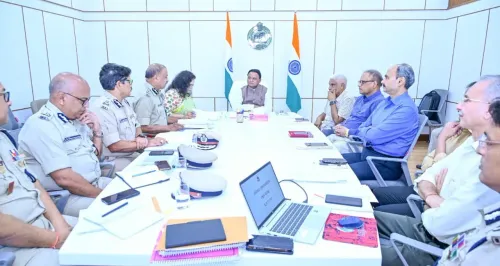
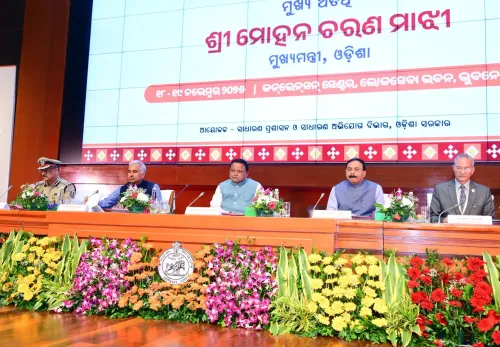
Odisha CM Mohan Charan Majhi chaired a law-and-order review on 14 May in Bhubaneswar with senior police and administrative officials.
He directed Odisha Police to intensify action against organised crime and sand mafias , drawing comparisons with the successful anti-Maoist crackdown.
Majhi called for crime mapping , intelligence gathering, and increased police patrolling for a visible deterrent effect.
District collectors and Superintendents of Police must submit regular law-and-order reports to the Director General of Police and the Chief Secretary .
Improved investigation under the Bharatiya Nyaya Sanhita has reportedly raised conviction rates, though the CM stressed the need for further innovation.
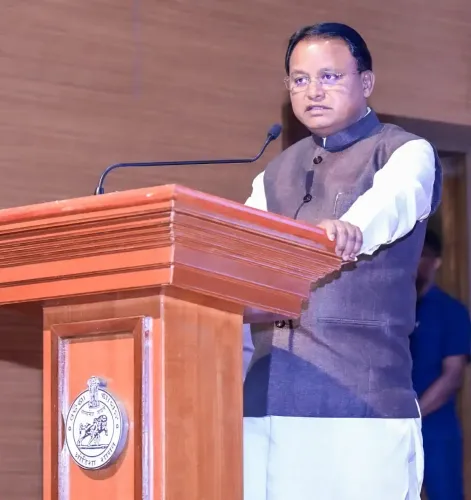
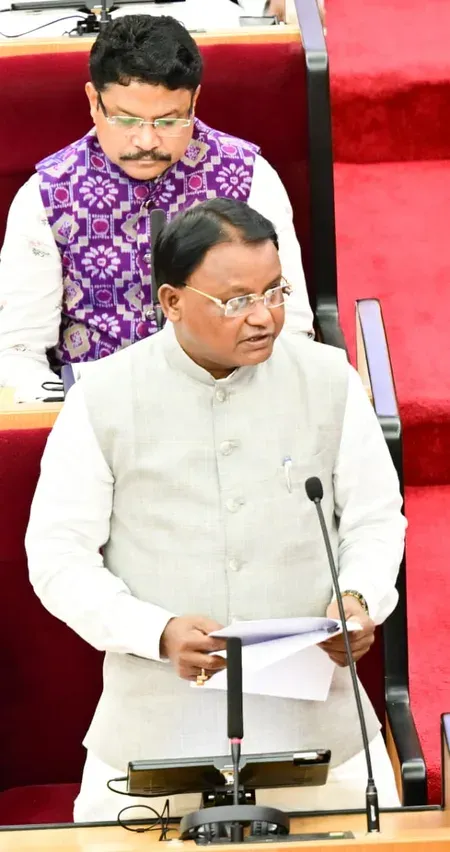
Odisha Chief Minister Mohan Charan Majhi on Thursday, 14 May directed the Odisha Police to intensify efforts against organised crime in the state, instructing officials to adopt a proactive, people-centric approach amid opposition criticism over what critics describe as rising violence. The directive came during a high-level review of the law-and-order situation held in Bhubaneswar with senior administrative and police officials, district collectors, and Superintendents of Police.
Key Directives from the Chief Minister
CM Majhi stressed that police must simultaneously earn public trust and instil fear among criminals. 'The administrative and police officials at the district level need to work together as a team. Coordination between the police and other district administrative officials could lead to greater success in crime control,' he said at the review meeting.
He called for the same team spirit that drives successful implementation of government schemes to be applied equally to crime control. Local administrative officers, he noted, can play a crucial supportive role in backing the police administration on the ground.
Proactive Policing and Crime Mapping
The Chief Minister highlighted the need for crime mapping, intelligence gathering, and intensified police patrolling across the state. He emphasised that a visible police presence in public spaces would not only deter criminal activity but also build confidence among ordinary citizens.
Majhi directed that cordial police-public relations be maintained so that communities provide timely information enabling preventive action — a model he linked directly to the state's success in curbing Maoist activities in recent years.
Sand Mafias and Organised Criminal Networks
Drawing an explicit comparison with the anti-Maoist crackdown, Majhi instructed the police administration to deal firmly with sand mafias and other organised criminal networks. He said such groups must be effectively curbed through proactive, rule-bound action — signalling that the administration views illegal sand mining networks as a law-and-order priority on par with insurgency-linked crime.
Accountability and Reporting Mechanism
District collectors and Superintendents of Police were asked to regularly review law-and-order conditions in their respective districts and submit reports to the Director General of Police, the Additional Chief Secretary of the Home Department, and the Chief Secretary. The Chief Secretary was further directed to keep the Chief Minister regularly informed about district-level situations.
Conviction Rates and Emerging Challenges
Majhi acknowledged improvements in the police administration, noting that enhanced investigation mechanisms had significantly increased the conviction rate under the Bharatiya Nyaya Sanhita. He also commended the force for its achievements against Maoist networks. However, he stressed that police must adopt innovative methods to tackle the evolving challenges of modern-day crime, signalling that the administration does not consider the current performance sufficient.
The review signals a clear escalation in the state government's approach to law enforcement, with structured reporting chains and a push for district-level accountability forming the backbone of the new directive.
Point of View
And the directive reads partly as a rebuttal. The sand mafia comparison to Maoists is notable: it elevates illegal mining networks to a state-security-level threat, which could unlock more aggressive policing tools. The structured reporting chain from district SP to CM is a sound accountability design, but its effectiveness will depend entirely on whether non-compliance carries consequences. Odisha has seen such directives before; the differentiator this time will be whether the conviction-rate gains under the Bharatiya Nyaya Sanhita translate into visible deterrence on the ground.
NationPress
7 Oct 2026
Frequently Asked Questions
Why did Odisha CM Mohan Charan Majhi call a law-and-order review?
CM Majhi convened the review on 14 May amid opposition criticism over what critics describe as rising violence in Odisha. The meeting was attended by senior police and administrative officials, district collectors, and Superintendents of Police to assess the state's law-and-order situation and chart a more proactive course.
What specific actions did CM Majhi order against organised crime?
Majhi directed intensified police patrolling, crime mapping, intelligence gathering, and firm action against sand mafias and other organised criminal networks. He also called for stronger police-public relations to enable timely information sharing and preventive action.
How does the anti-Maoist crackdown relate to the new directive?
CM Majhi explicitly cited the state's success in curbing Maoist activities as a model for tackling sand mafias and organised crime groups, instructing the police administration to apply the same resolve and proactive approach to these emerging threats.
What accountability measures has the Odisha government introduced?
District collectors and Superintendents of Police have been asked to regularly review law-and-order conditions in their districts and report to the Director General of Police, the Additional Chief Secretary of the Home Department, and the Chief Secretary, who will in turn keep the CM informed.
What progress has Odisha Police made under the Bharatiya Nyaya Sanhita?
According to CM Majhi, improved investigation mechanisms have significantly increased the conviction rate under the Bharatiya Nyaya Sanhita. He commended the police for this progress while urging them to adopt innovative methods to address evolving crime patterns.