Pradhan Welcomes 5 Lakh PMAY Houses for Odisha
Synopsis
Union Education Minister Dharmendra Pradhan thanked PM Modi, Shivraj Singh Chouhan, CM Mohan Majhi, and Rabi Naik as Odisha secured 5 lakh additional PMAY houses, hailing the BJP's 'double engine' model as a force multiplier for rural welfare in the state.
Key Takeaways
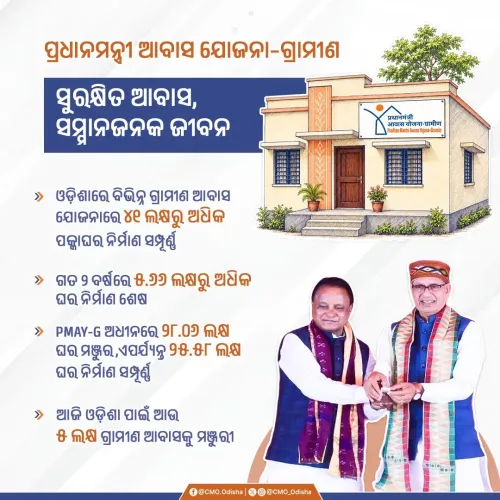
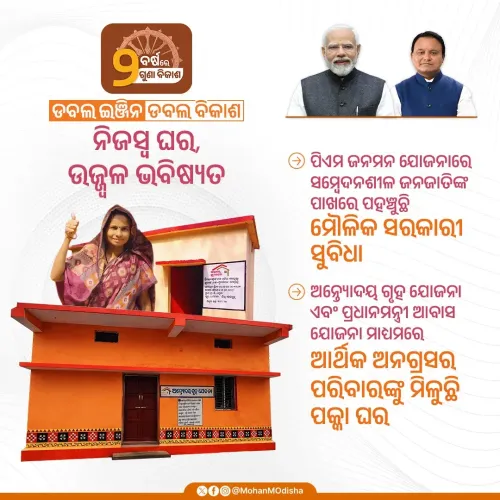
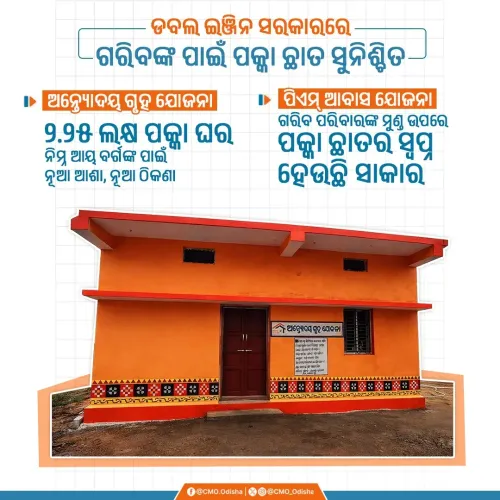
5 lakh additional houses have been sanctioned for Odisha under the Pradhan Mantri Awas Yojana (PMAY) .
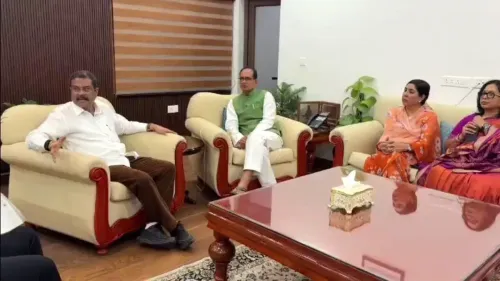
Dharmendra Pradhan publicly thanked PM Narendra Modi , Union Rural Development Minister Shivraj Singh Chouhan , CM Mohan Majhi , and state minister Rabi Naik for the allocation.
The post invokes the BJP's ' double engine government ' model, citing aligned central and state leadership as the driver of accelerated delivery.
PMAY was launched in 2015 ; PMAY-Gramin targets were revised upward in multiple Union Budgets after 2019 .
Pradhan posted in Odia , signalling a direct outreach to rural voters in the state where the BJP won power in the 2024 assembly elections .
Actual on-ground completion — tracked via geo-tagged photographs on the AwaaSoft platform — will be the key measure of scheme success.
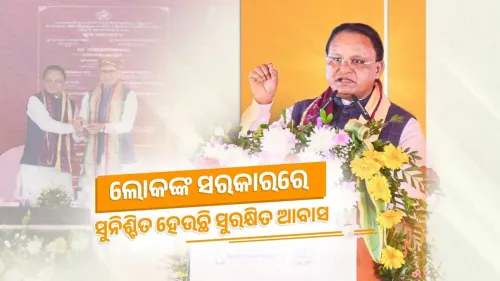
Five lakh families in Odisha are closer to a permanent roof over their heads — and Union Education Minister Dharmendra Pradhan wants the state to know exactly who made it happen. On Wednesday, November 18, 2026, Pradhan posted on X in Odia to thank the central and state leadership for sanctioning 5 lakh additional houses for Odisha under the Pradhan Mantri Awas Yojana (PMAY), framing the allocation as proof that the 'double engine' government model delivers on the ground.
Translated from Odia, Pradhan's post reads: 'ପ୍ରଧାନମନ୍ତ୍ରୀ ଆବାସ ଯୋଜନାରେ ଓଡ଼ିଶାକୁ ଆଉ ୫ ଲକ୍ଷ ଘର...' — 'Thank you to respected Prime Minister Shri Narendra Modi, Union Rural Development Minister Shri Shivraj Singh Chouhan, Odisha Chief Minister Shri Mohan Majhi, and Panchayati Raj and Rural Development Minister Shri Rabi Naik for providing 5 lakh more houses to Odisha under Pradhan Mantri Awas Yojana. The double engine government has not only improved the living standards of the poor but also given new direction to rural development.' That is the message, delivered in his mother tongue, to the electorate that matters most.
PMAY's Long Road to Odisha's Rural Poor
Pradhan Mantri Awas Yojana was launched in 2015 with a sweeping mandate: provide pucca (permanent) houses to eligible rural and urban poor households across India. The rural arm — PMAY-Gramin — received successive target revisions and enhanced funding in Union Budgets after 2019 as the central government pushed to close construction gaps across states. Odisha, with its large rural population and historically high poverty indicators, has remained one of the scheme's most significant beneficiary states.
The political context sharpens the picture. Odisha was governed by the Biju Janata Dal for over two decades before the BJP swept the 2024 assembly elections, installing Mohan Charan Majhi as Chief Minister. That transition created, for the first time, the 'double engine' alignment — the same party in power in Bhubaneswar and New Delhi — that BJP leaders have long argued unlocks faster, friction-free delivery of central schemes. This latest PMAY allocation is being presented as the first big dividend of that alignment.
Chouhan, Naik, and the Machinery Behind the Allocation
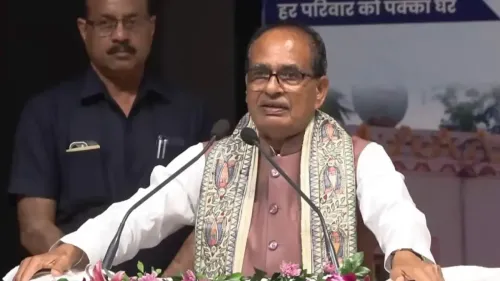
Shivraj Singh Chouhan, Union Minister of Rural Development, is the central government's principal architect of PMAY-Gramin's expanded rollout. His ministry controls target-setting, fund release, and monitoring dashboards. On the state side, Rabi Naik, Odisha's Minister for Panchayati Raj and Rural Development, is the operational link responsible for beneficiary selection, land verification, and construction oversight — the administrative last mile where schemes either succeed or stall.
Pradhan, though he holds the Education portfolio in the Union Cabinet, is BJP's most prominent face from Odisha at the national level. His post in Odia — not Hindi, not English — signals a deliberate outreach to rural Odia voters, telegraphing that the party's senior-most representative in New Delhi is watching and advocating for the state's share of central resources.
What 5 Lakh Houses Means on the Ground
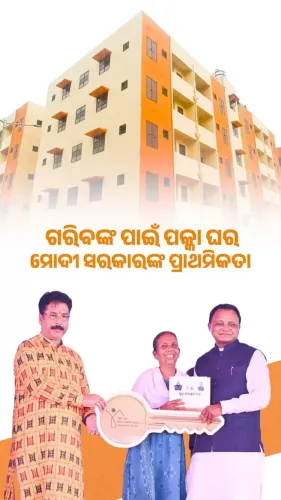
Each PMAY-Gramin house sanction triggers a central financial assistance transfer directly to a beneficiary's bank account, complemented by state top-ups in many cases. Construction is monitored through geo-tagged photographs on the AwaaSoft platform, which tracks progress from foundation to completion. The pace of actual completion — not just sanction — will determine whether this allocation translates into lived improvement or remains a figure in a press release.
For the rural families waiting, the difference between a sanction and a standing house can be measured in monsoons survived under a leaking roof. That gap is precisely what political leaders from both Bhubaneswar and New Delhi will be watched against delivering.
Point of View
However, lies in construction completion rates, which have historically lagged sanctions in large PMAY rollouts.
NationPress
18 Nov 2026
Frequently Asked Questions
How many houses has Odisha received under PMAY recently?
According to Union Education Minister Dharmendra Pradhan's post on November 18, 2026, Odisha has been allocated 5 lakh additional houses under the Pradhan Mantri Awas Yojana.
What is the Pradhan Mantri Awas Yojana?
Pradhan Mantri Awas Yojana (PMAY) is a flagship central government scheme launched in 2015 to provide affordable pucca (permanent) houses to eligible rural and urban poor households across India. The rural component is known as PMAY-Gramin.
What is the 'double engine government' in the context of Odisha?
The ' double engine government ' refers to the BJP holding power simultaneously at the central government level and in the Odisha state government — a situation that became possible after the BJP won the 2024 Odisha assembly elections and installed Mohan Charan Majhi as Chief Minister.
Who is Dharmendra Pradhan and what is his connection to Odisha?
Dharmendra Pradhan is the Union Education Minister and a senior BJP leader. He is from Odisha and is the party's most prominent national-level representative from the state, regularly advocating for Odisha's interests in central scheme allocations.
Who is responsible for implementing PMAY in Odisha?
At the central level, Union Rural Development Minister Shivraj Singh Chouhan oversees PMAY implementation. In Odisha, state minister Rabi Naik for Panchayati Raj and Rural Development handles beneficiary selection, fund flow, and construction oversight.