J&K CM Omar Abdullah rejects 'last-minute' meeting shift claim
Synopsis
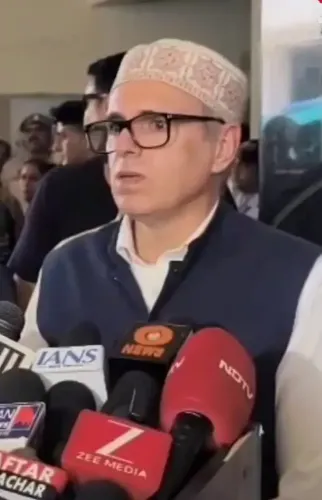
Jammu and Kashmir Chief Minister Omar Abdullah denied that an official meeting had been shifted at the last moment, saying on X that the off-site venue was chosen by him and all arrangements were made days in advance. The clarification, posted with a short video, addressed unnamed critics of the venue change.
Key Takeaways
J&K Chief Minister Omar Abdullah posted the clarification on X on 3 June 2026 at 10:46 am IST.
He denied that the meeting was 'shifted at the last moment'.
The Chief Minister said the off-site venue was his own choice, planned days in advance.
The post was accompanied by one video; no specific venue or meeting was named.
Omar Abdullah has been Chief Minister of the J&K Union Territory since October 2024.
Jammu and Kashmir Chief Minister Omar Abdullah on Wednesday, 3 June 2026, pushed back against suggestions that an official meeting had been relocated at short notice, asserting that the off-site venue had been finalised days in advance. The clarification was posted on X at 10:46 am IST and was accompanied by a short video.
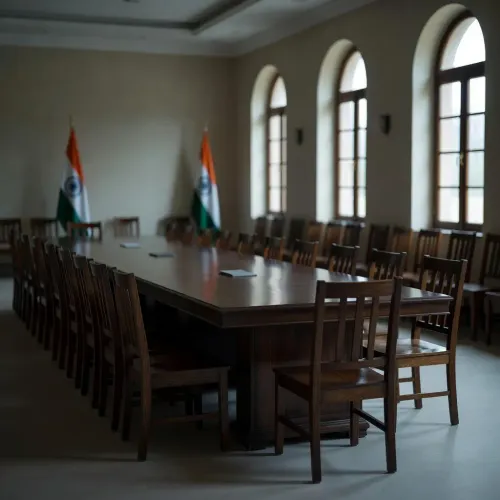
'I'm sorry to disappoint you but it has NOT been shifted at the last moment,' the Chief Minister wrote. 'It was always my intention to conduct this meeting off-site and all arrangements have been made, days in advance, at the location originally chosen by me.'
Context
The post appeared to address commentary suggesting an unplanned change of venue for an official engagement. Omar Abdullah, who is also vice-president of the Jammu & Kashmir National Conference, did not name the meeting in question or the venue, but framed the off-site arrangement as a deliberate decision taken well ahead of time.
The Chief Minister's remarks were unusually direct in tone, opening with an apology aimed at critics — 'I'm sorry to disappoint you' — before stating that the planning had been settled in advance.
Policy backdrop
Omar Abdullah was sworn in as Chief Minister of the Union Territory of Jammu and Kashmir in October 2024, following assembly elections that restored an elected government after several years of central administration. The territory's constitutional status was reorganised in 2019, and the 2024 polls marked the return of a popularly mandated cabinet.
State and Union Territory chief ministers in India periodically convene cabinet or official meetings outside their capital secretariats, citing reasons that include administrative outreach, regional balance and security considerations. In Jammu and Kashmir, where the seasonal 'Durbar Move' between Srinagar and Jammu historically rotated government offices, off-site engagements carry both administrative and symbolic weight.
Stakeholders and impact
The immediate stakeholders are officials of the J&K government and the administrative apparatus that organises such meetings. By publicly affirming that the venue choice was his own and pre-planned, the Chief Minister has shifted the focus from logistical second-guessing to political messaging about decision-making authority.
For the wider public in the Union Territory, the post signals that the elected government intends to defend its operational choices in real time on social media, rather than allowing narratives to settle uncontested. It also underscores the Chief Minister's preference for direct engagement with critics on X, a pattern visible since he assumed office.
What's next
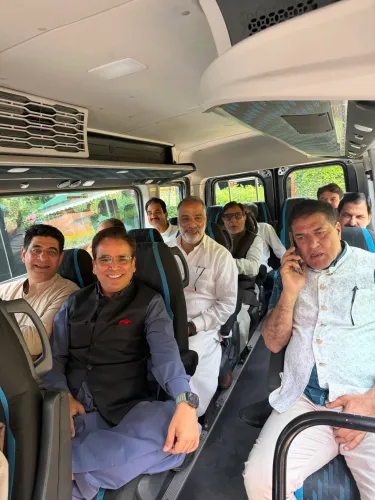
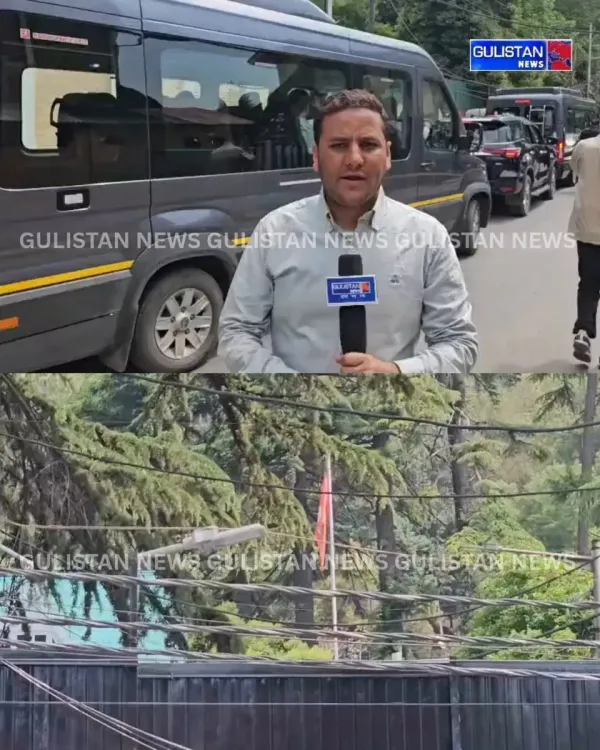
Attention will turn to whether the Chief Minister's office issues a formal statement detailing the meeting, its agenda and the venue, and whether subsequent cabinet or official engagements continue to be held away from the secretariat. The accompanying video, posted alongside the message, may offer additional visual context on the location and the proceedings.
The episode is a small but telling marker of how the restored elected government in Jammu and Kashmir is choosing to communicate — assertively, publicly, and on its own terms.
Point of View
First-person rebuttal fits a pattern of his direct engagement with critics on X since taking office in October 2024. By insisting the off-site venue was a deliberate, pre-planned choice, Omar Abdullah is asserting executive autonomy in a Union Territory where the elected government's operational space is closely watched. The episode is minor on its own, but it reinforces a wider arc: the restored J&K cabinet is keen to shape its own narrative rather than cede ground to second-hand interpretations.
NationPress
17 Oct 2026
Frequently Asked Questions
What did Omar Abdullah say about the meeting being shifted?
Omar Abdullah said the meeting was not shifted at the last moment and that the off-site venue was his own choice, with all arrangements made days in advance. He posted the clarification on X on 3 June 2026.
Is Omar Abdullah the current Chief Minister of Jammu and Kashmir?
Yes. Omar Abdullah has been Chief Minister of the Jammu and Kashmir Union Territory since October 2024, after his party-led alliance won the assembly elections held that year.
Where was the meeting Omar Abdullah referred to held?
The Chief Minister did not name the specific venue in his post. He only said it was an off-site location that he had chosen and that arrangements had been finalised days in advance.
Why do J&K chief ministers hold meetings off-site?
Chief ministers in India, including in Jammu and Kashmir, hold off-site meetings for reasons such as administrative outreach, regional balance and security. J&K also has a historical practice of rotating government work between Srinagar and Jammu.
When did Omar Abdullah become Chief Minister?
Omar Abdullah was sworn in as Chief Minister of the Jammu and Kashmir Union Territory in October 2024, following the assembly elections that restored an elected government in the territory.