Over 52,000 Individuals Detained for Railway Crimes in Five Years
Synopsis
In a concerning trend, over 52,000 people have been arrested for railway property crimes from 2021 to 2025. This article delves into the alarming statistics and measures taken by authorities to ensure the safety of Indian Railways.
Key Takeaways
52,494 arrests made under the Railway Property Act in the last five years.
50,432 offenders faced court charges.
12,157 incidents of stone pelting recorded.
Collaboration with local police enhances railway security.
Community awareness is crucial for preventing tampering.
New Delhi, March 26 (NationPress) In a span of five years (2021–2025), authorities apprehended a staggering 52,494 individuals under the Railway Property (Unlawful Possession) Act, 1966, for illegally possessing properties owned by the Indian Railways.
Official reports presented in Parliament indicate that 50,432 offenders faced legal action in court.
The responsibility of safeguarding railway properties lies with the Railway Protection Force, which holds the authority to file cases involving theft, fraudulent appropriation, abetment, and conspiracy under the Railway Property (Unlawful Possession) Act, 1966.
Upon filing charges, an inquiry is initiated, leading to a formal complaint submitted to the Special Railway Magistrate's court, or, in regions lacking special railway courts, to the district courts.
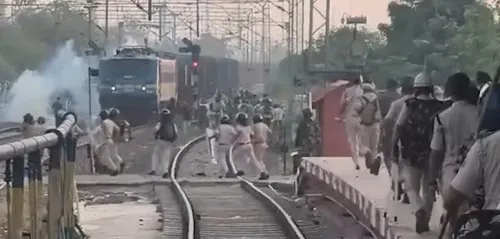
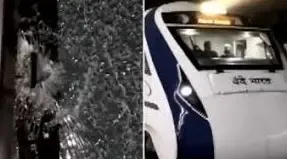
During these five years, there were 12,157 recorded incidents of stone pelting, resulting in the arrest of 8,441 individuals by the Railway Protection Force and Government Railway Police, as reported by Railways Minister Ashwini Vaishnaw.
Only three derailments linked to unlawful activities were reported, occurring in the Waltair Division of East Coast Railway, Jhansi Division of North Central Railway, and Chennai Division of Southern Railway during this timeframe.
To mitigate criminal interference with railway tracks, regular meetings of the State-Level Security Committees are conducted. Each state has established these committees under the leadership of the Directors General of Police, including representatives from the Railway Protection Force, Government Railway Police, and intelligence units.
The Railway Protection Force maintains ongoing collaboration with state police authorities to combat crime, manage case registrations, conduct investigations, and ensure the secure operation of trains, particularly focusing on sabotage threats and information sharing.
Vigilant patrolling occurs in identified high-risk areas, conducted by the Railways, Railway Protection Force, Government Railway Police, and Civil Police. Regular efforts are made to clear any loose materials near railway tracks that could be exploited by criminals to disrupt train services.
Moreover, local residents living adjacent to railway lines are being educated about the risks associated with placing foreign materials on tracks, removing rail components, and constructing reels. They are encouraged to observe and report any suspicious activities immediately. Surveillance efforts also include the use of drones and solar-powered closed-circuit television systems.
Point of View
These statistics indicate a pressing issue concerning the safety and security of railway properties in India. The high number of arrests reflects an ongoing struggle against criminal activities that threaten public transport integrity. This situation necessitates continued vigilance and effective law enforcement strategies.
NationPress
15 Oct 2026
Frequently Asked Questions
What is the Railway Property (Unlawful Possession) Act, 1966?
It is a legal framework that addresses crimes related to the unlawful possession of Indian Railways' property, empowering authorities to take action against offenders.
How many stone pelting incidents have been reported?
There have been 12,157 incidents of stone pelting reported in the last five years.
Who is responsible for protecting railway property?
The Railway Protection Force is tasked with safeguarding railway properties and is authorized to take legal action against offenders.
What measures are taken to prevent sabotage?
State-Level Security Committees meet regularly to discuss and implement strategies for preventing criminal activities targeting railway tracks.
How are local communities involved in railway safety?
Residents near railway tracks are educated about the dangers of tampering with railway property and encouraged to report suspicious activities.