Jal Shakti Minister Paatil marks 12 years of water governance
Synopsis
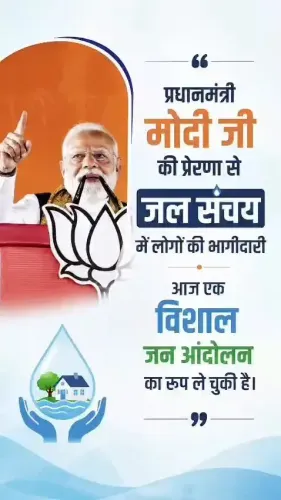
Union Jal Shakti Minister C. R. Paatil on 11 June 2026 invoked the slogan 'Jal hai toh kal hai' to mark twelve years of NDA water-sector governance, spotlighting the Jal Jeevan Mission and Namami Gange as pillars of an integrated national water-security agenda.
Key Takeaways
Paatil , Union Minister of Jal Shakti, posted on X on 11 June 2026 marking #12YearsOfSeva in water governance.
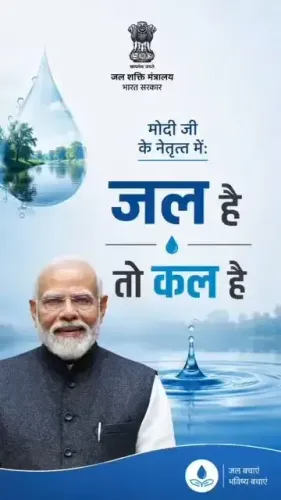
The post carries the Hindi slogan जल है तो कल है — 'water today, tomorrow always' — a widely recognised water-conservation phrase.
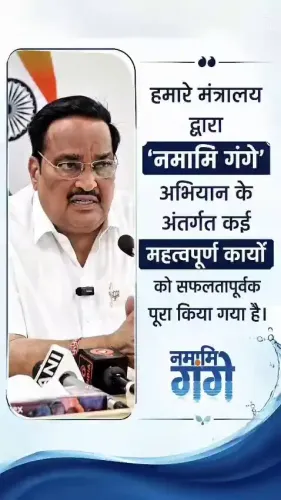
The Namami Gange programme for Ganga river conservation was launched in 2014 , marking the start of the twelve-year period referenced.
The Ministry of Jal Shakti was created in May 2019 by merging two water-related ministries, consolidating policy under one roof.
The Jal Jeevan Mission , launched in 2019 , aims to provide functional household tap connections to every rural household in India.
Key upcoming milestones include the Jal Jeevan Mission annual report and potential allocations in the 2026-27 Union Budget .
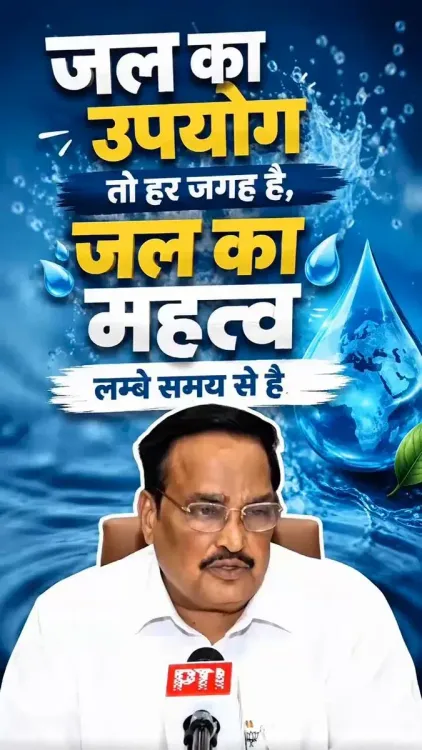
Union Jal Shakti Minister C. R. Paatil on Thursday, 11 June 2026 marked twelve years of the NDA government's water-sector governance with a post on X carrying the Hindi phrase जल है तो कल है ('water today, tomorrow always') and the hashtag #12YearsOfSeva.
Context
The post, brief but pointed, invokes one of the most widely used water-conservation slogans in Indian public discourse. The hashtag #12YearsOfSeva marks twelve years since May 2014, when the National Democratic Alliance under Prime Minister Narendra Modi first came to power and began reorienting central policy around water security. Paatil, who heads the nodal ministry for water, used the occasion to signal continuity in that policy direction.
Policy Backdrop
The water-sector architecture the minister references was built in two distinct phases. The first, beginning in 2014, saw the launch of Namami Gange — a flagship programme for pollution abatement and ecological conservation of the Ganga river — with dedicated institutional mechanisms and ring-fenced funding. The second phase arrived in 2019, when the government created the Ministry of Jal Shakti by merging the erstwhile Ministry of Water Resources, River Development and Ganga Rejuvenation with the Ministry of Drinking Water and Sanitation, consolidating the sector under a single administrative roof.
That same year, the government announced the Jal Jeevan Mission, an ambitious scheme targeting a functional household tap connection for every rural household in India. The mission became one of the largest rural infrastructure drives in the country, with rural households and farmers as its primary beneficiaries.
Stakeholders and Impact
The convergence of river-rejuvenation and rural drinking-water programmes under one ministry was intended to eliminate duplication and align environmental goals with rural-development outcomes. Rural communities across states have been the most direct beneficiaries, with piped water access reducing dependence on groundwater and seasonal sources. Farmers, who constitute the largest bloc of water users, stand to gain from both groundwater management initiatives and river-conservation efforts that stabilise irrigation sources.
The #12YearsOfSeva messaging also carries political weight: it frames water policy as a sustained, decade-plus commitment rather than an election-cycle promise, a framing consistent with the BJP's broader governance narrative ahead of state and national electoral cycles.
What's Next
Observers will watch for updated coverage figures from the Jal Jeevan Mission in its next annual report, as well as any fresh allocations or river-interlinking announcements in the 2026-27 Union Budget or the forthcoming monsoon session of Parliament. With C. R. Paatil at the helm of the ministry, the political signalling around water security is likely to intensify as the government seeks to consolidate its record on rural infrastructure and environmental stewardship.
Point of View
The BJP signals that its governance record on rural infrastructure and river conservation is a durable achievement rather than a transient campaign promise. The choice of जल है तो कल है — a slogan with deep resonance in rural India — is calibrated to reach voters most directly affected by the Jal Jeevan Mission. Coming midway through the current government's term, the post also sets the rhetorical stage for a fresh round of scheme-completion claims as the monsoon session approaches. The integrated water-ministry model itself remains a structural legacy that any successor government would find politically costly to dismantle.
NationPress
22 Sept 2026
Frequently Asked Questions
What is the meaning of 'Jal hai toh kal hai'?
'Jal hai toh kal hai' is a Hindi slogan meaning 'if there is water, there is a tomorrow' — widely used in Indian water-conservation campaigns to underscore the link between water availability and the nation's future.
What is the Jal Jeevan Mission?
The Jal Jeevan Mission is a central government scheme launched in 2019 with the objective of providing a functional household tap connection to every rural household in India, improving access to safe drinking water.
What is Namami Gange?
Namami Gange is a flagship programme launched in 2014 for the pollution abatement, conservation and rejuvenation of the Ganga river, combining sewage treatment, riverfront development and biodiversity efforts.
What is the Ministry of Jal Shakti?
The Ministry of Jal Shakti was formed in May 2019 by merging the Ministry of Water Resources, River Development and Ganga Rejuvenation with the Ministry of Drinking Water and Sanitation, creating a single ministry to oversee all water-related policy in India.
Who is C. R. Paatil?
C. R. Paatil is the Union Minister of Jal Shakti, a senior BJP leader, and a former president of the BJP Gujarat state unit. He is the cabinet minister responsible for India's water resources and rural drinking-water programmes.