BJP's Phoolka questions Punjab anti-sacrilege law, says Sikhs must decide punishment
Synopsis
BJP leader HS Phoolka's challenge to Punjab's new anti-sacrilege law cuts to a deeper fault line: who governs Sikh religious life — the state or the Panth? With Akal Takht summoning the Assembly Speaker, the AAP government faces a rare convergence of political opposition and religious institutional pushback over a law it passed unanimously just weeks ago.
Key Takeaways
BJP leader HS Phoolka on 7 May publicly questioned the need for Punjab's Jaagat Jot Sri Guru Granth Sahib Satkar (Amendment) Bill, 2026 .
The law, passed unanimously on 13 April , prescribes penalties from five years to life imprisonment and fines up to ₹20 lakh for sacrilege.
Phoolka alleged the bill was passed secretly , without public consultation or disclosure of the draft.
He argued that a non-Sikh DSP-rank officer deciding on dignity of Guru Granth Sahib is inappropriate; punishment should rest with SGPC and the jathedar .
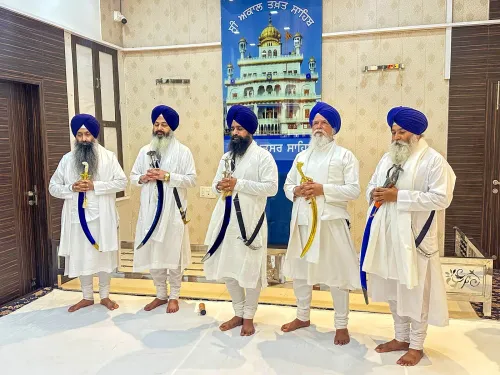
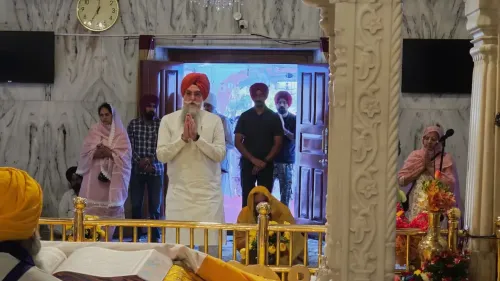
The Shiromani Akal Takht has summoned Punjab Assembly Speaker Kultar Singh Sandhwan over the legislation.
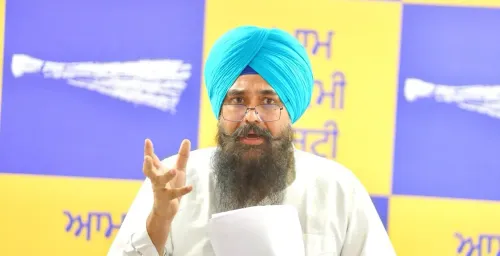
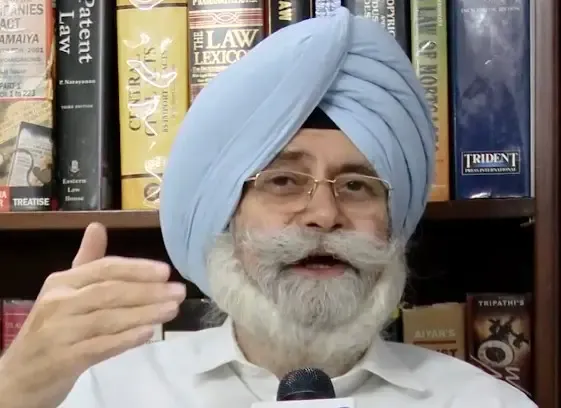
Senior advocate and Bharatiya Janata Party (BJP) leader HS Phoolka on Thursday, 7 May questioned the need for Punjab's newly enacted anti-sacrilege law, alleging it was passed secretly and hands excessive control over Guru Granth Sahib to government officers rather than Sikh religious authorities. Phoolka argued that punishment for 'beadbi' (sacrilege) of the living Guru Sahib must be determined by Sikh religious leaders, not by the police or state bureaucracy.
What the Law Says
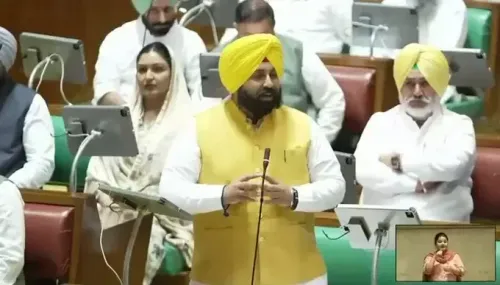
The Jaagat Jot Sri Guru Granth Sahib Satkar (Amendment) Bill, 2026 was unanimously passed by the Punjab Legislative Assembly on 13 April, under Chief Minister Bhagwant Singh Mann. The law prescribes life imprisonment for sacrilege, making it one of the toughest legal frameworks in the country for such offences. Penalties range from five years to life imprisonment, along with fines of up to ₹20 lakh. Offences are non-bailable, and even those aiding 'beadbi' are held equally accountable under the legislation.
Phoolka's Key Objections
Speaking exclusively to IANS, Phoolka alleged:
Point of View
When temporal Sikh authority and the Punjab government have clashed, governments have blinked. The Mann administration now faces a dilemma — defend the law's architecture or quietly negotiate with religious institutions before the controversy deepens.
NationPress
22 Sept 2026
Frequently Asked Questions
What is the Jaagat Jot Sri Guru Granth Sahib Satkar (Amendment) Bill, 2026?
It is an anti-sacrilege law passed unanimously by the Punjab Assembly on 13 April 2026 under Chief Minister Bhagwant Singh Mann. The law prescribes life imprisonment for 'beadbi' (sacrilege) of Guru Granth Sahib, with penalties ranging from five years to life imprisonment and fines up to ₹20 lakh, and makes offences non-bailable.
Why is BJP's HS Phoolka opposing the Punjab anti-sacrilege law?
Phoolka alleges the law was passed secretly without public consultation and gives the state excessive control over Guru Granth Sahib, including over its printing, registration, and distribution. He argues that a non-Sikh government officer should not have the authority to judge whether a Sikh custodian is maintaining the dignity of the holy scripture.
Who does Phoolka say should decide punishment for sacrilege?
Phoolka has urged that punishment for 'beadbi' should be decided by the jathedar (Sikh religious head) and the Shiromani Gurdwara Parbandhak Committee (SGPC), not by government officers or the police.
What is the Akal Takht's role in this controversy?
The Shiromani Akal Takht, the highest temporal seat of Sikh authority, has summoned Punjab Assembly Speaker Kultar Singh Sandhwan over the sacrilege law, indicating that the apex Sikh religious institution has concerns about the legislation's scope.
What are the risks of making 'beadbi' a cognisable offence?
Phoolka has cautioned that since the law makes sacrilege a cognisable offence, any individual can file an FIR — including potentially false complaints — without prior judicial approval, which could expose innocent custodians of Guru Granth Sahib to unwarranted legal action.