Sachin Pilot pays tribute to Birsa Munda on death anniversary
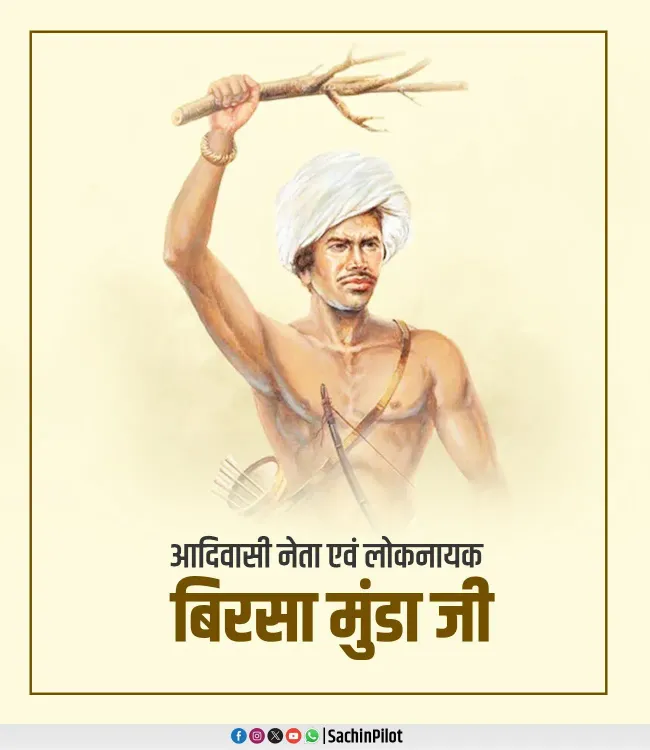
Synopsis
Congress leader Sachin Pilot on June 9, 2026, paid tribute to Birsa Munda on his death anniversary, honouring the Adivasi freedom fighter's lifelong resistance for jal-jungle-zameen rights. The commemoration reflects ongoing political engagement with tribal identity and land rights in central and eastern India.
Key Takeaways
Congress leader Sachin Pilot paid tribute to Birsa Munda on his death anniversary on June 9, 2026 .
Birsa Munda ( 1875–1900 ) led the Ulgulan rebellion against British land alienation in the Chota Nagpur region of present-day Jharkhand .
Pilot described Munda as a 'great Adivasi people's leader and freedom fighter' who struggled for jal-jungle-zameen — water, forest, and land rights.
As Congress in-charge for Chhattisgarh , Pilot's tribute carries political significance given the state's large Scheduled Tribe population.
The commemoration connects to live policy debates around the Forest Rights Act and the Fifth Schedule of the Constitution.
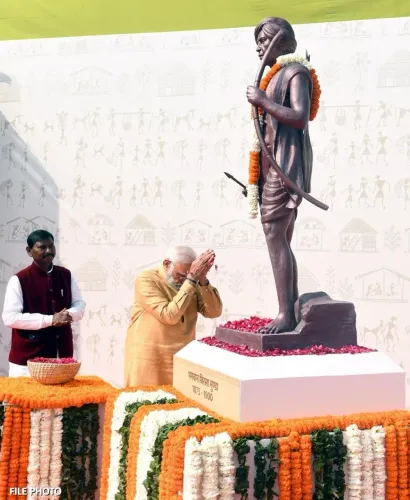
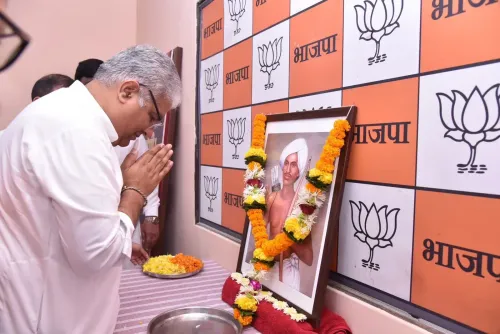
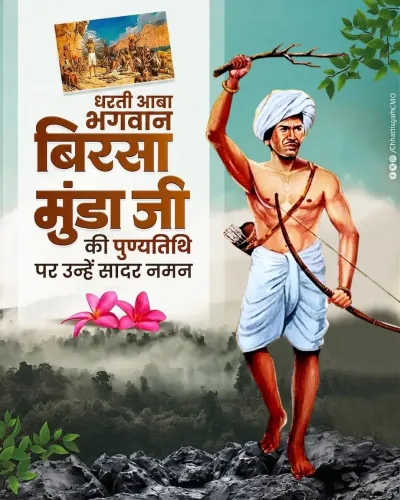
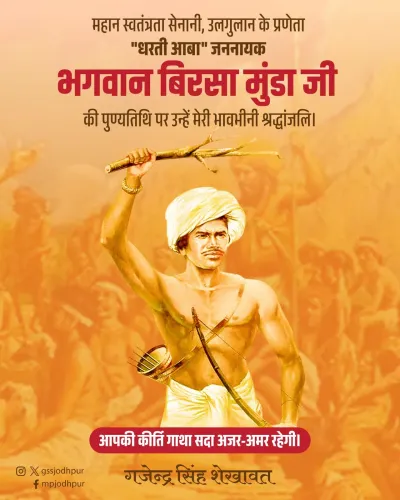
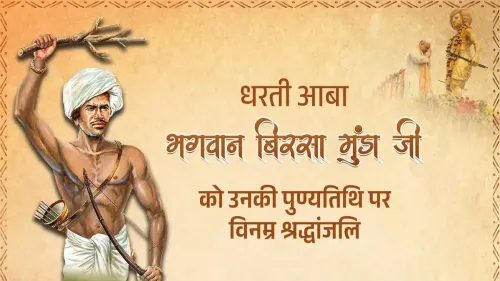
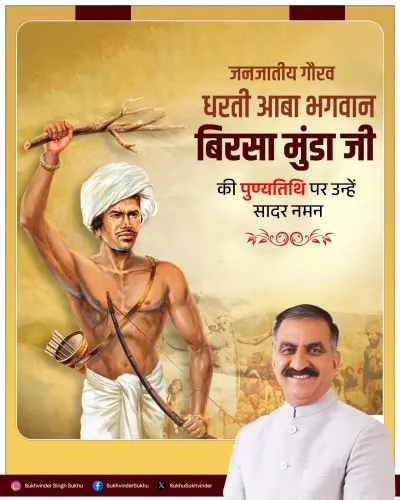
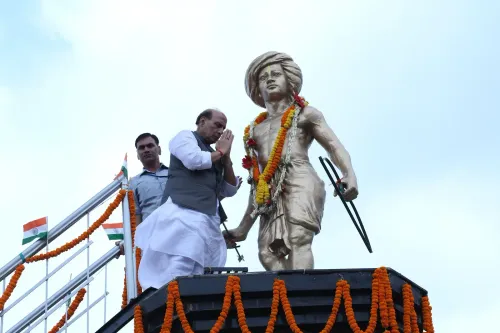
Congress leader and Chhattisgarh in-charge Sachin Pilot on Tuesday, June 9, 2026, paid tribute to tribal freedom fighter Birsa Munda on his death anniversary, honouring the Munda leader's lifelong struggle to protect Adivasi culture, civilisation, and the rights over jal-jungle-zameen (water, forest, and land).
Context
In his post, Pilot wrote: 'Aajeevan sangharsh karne wale mahan Adivasi loknayak evam swatantrata senani Birsa Munda ji ki punyatithi par main unhe shraddhapoorvak naman karta hoon' — 'On the death anniversary of the great Adivasi people's leader and freedom fighter Birsa Munda, who struggled throughout his life to protect Adivasi culture, civilisation, and jal-jungle-zameen, I bow to him with reverence.' The tribute reflects the Congress party's continued engagement with Adivasi identity and rights at a national level.
Policy Backdrop
Birsa Munda (1875–1900) was a Munda tribal leader from present-day Jharkhand who led the Ulgulan rebellion against British colonial land alienation policies in the Chota Nagpur region. His movement of 1899–1900 protested British forest and land laws that systematically dispossessed tribal communities of their customary rights over forests, land, and water. He died in colonial custody in June 1900 at the age of just 25, and has since been revered across Adivasi communities in Jharkhand, Odisha, and beyond as a symbol of resistance and cultural pride.
His legacy is closely tied to the ongoing policy discourse around the Fifth Schedule of the Indian Constitution and the Forest Rights Act, which seek to address the historical dispossession of tribal communities in central and eastern India. The protection of jal-jungle-zameen — a phrase Birsa Munda's movement made iconic — remains a live political and legal issue in Scheduled Areas across states including Jharkhand, Odisha, Chhattisgarh, and Madhya Pradesh.
Stakeholders and Impact
Annual tributes to Birsa Munda by leaders across the political spectrum have become a recurring feature of Indian public life, signalling engagement with Adivasi identity and rights to a significant electoral constituency. Adivasi communities account for a substantial share of the population in states such as Jharkhand, Odisha, and Chhattisgarh — all of which have seen sustained debates over mining leases, forest land diversion, and tribal displacement in recent years. For Pilot, as the Congress in-charge for Chhattisgarh — a state with a large Scheduled Tribe population — such commemorations carry both symbolic and political weight.
Tribal rights organisations and Adivasi communities in central India closely watch how mainstream political parties engage with Birsa Munda's legacy, particularly in relation to the processing of land claims under the Forest Rights Act and the status of tribal land records digitisation.
What's Next
Attention will remain on state assembly sessions and central government updates regarding Forest Rights Act claim processing in Jharkhand and Odisha, as well as any new policy notifications on tribal land records digitisation. As Chhattisgarh in-charge, Pilot's engagement with Adivasi issues is likely to continue shaping the Congress party's outreach strategy in the state. The anniversary of Birsa Munda's death each June serves as an annual flashpoint for renewed debate on the unfinished agenda of tribal rights, land justice, and cultural preservation in India.
Point of View
Jharkhand, and Odisha. For Sachin Pilot, as the Congress in-charge for a state where tribal land and forest rights remain live electoral issues, invoking the jal-jungle-zameen legacy is a deliberate signal to a key constituency. The broader pattern of cross-party Birsa Munda commemorations reflects how 19th-century tribal resistance has been absorbed into mainstream political discourse, even as on-the-ground implementation of the Forest Rights Act remains uneven. The real test of such tributes lies in the policy positions parties take on mining clearances, displacement, and land records in Scheduled Areas.
NationPress
24 Oct 2026
Frequently Asked Questions
Who was Birsa Munda and why is he remembered?
Birsa Munda (1875–1900) was a Munda tribal leader from present-day Jharkhand who led the Ulgulan rebellion against British colonial land and forest laws that dispossessed Adivasi communities. He is remembered as a freedom fighter and symbol of tribal resistance, particularly for his defence of jal-jungle-zameen — water, forest, and land rights.
When is Birsa Munda's death anniversary?
Birsa Munda died on June 9, 1900, in colonial custody. His death anniversary falls on June 9 each year and is widely commemorated across India, especially in Jharkhand, Odisha, and Chhattisgarh.
Why did Sachin Pilot pay tribute to Birsa Munda?
Sachin Pilot, Congress general secretary and Chhattisgarh in-charge, paid tribute on Birsa Munda's death anniversary to honour the Adivasi leader's lifelong struggle for tribal culture, civilisation, and land rights. The tribute also reflects the Congress party's engagement with Adivasi communities in states like Chhattisgarh.
What is jal-jungle-zameen and why does it matter?
Jal-jungle-zameen — meaning water, forest, and land — is a phrase that became iconic through Birsa Munda's movement. It refers to the customary rights of Adivasi communities over natural resources and remains central to ongoing debates around the Forest Rights Act, mining leases, and tribal displacement in central and eastern India.
What is Sachin Pilot's role in Chhattisgarh?
Sachin Pilot serves as the All India Congress Committee in-charge for Chhattisgarh, making him the party's key organisational link to the state. Chhattisgarh has a significant Scheduled Tribe population, giving tributes and policy positions on Adivasi rights particular electoral relevance for the party.