Piyush Goyal: India-New Zealand ties elevated to Strategic Partnership
Synopsis
Union Commerce Minister Piyush Goyal announced on 11 July 2026 that India and New Zealand have elevated their bilateral ties to a Strategic Partnership, pledging concrete outcomes across all sectors of cooperation in a significant diplomatic upgrade.
Key Takeaways
Union Minister Piyush Goyal announced on 11 July 2026 that India and New Zealand have agreed to elevate bilateral ties to a Strategic Partnership .
The partnership commits both nations to advancing cooperation across every sector with clear goals and concrete outcomes.
India and New Zealand first launched Comprehensive Economic Cooperation Agreement (CECA) negotiations in 2010 , with talks revived in 2022 .
The move fits India's broader strategy of upgrading ties with like-minded Indo-Pacific middle powers to diversify trade and secure supply chains.
Key beneficiaries include Indian exporters in IT and pharma, and New Zealand's dairy and education sectors seeking deeper access to the Indian market.
Joint working groups on defence, technology, and trade are expected to follow as next steps under the new framework.
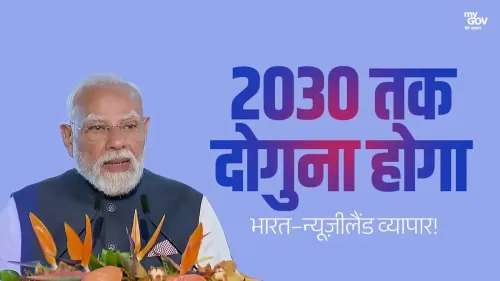
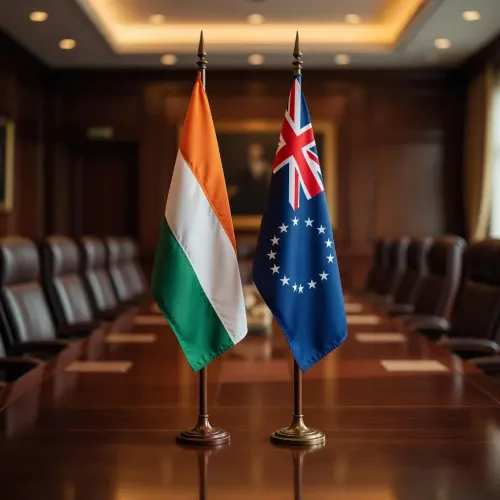
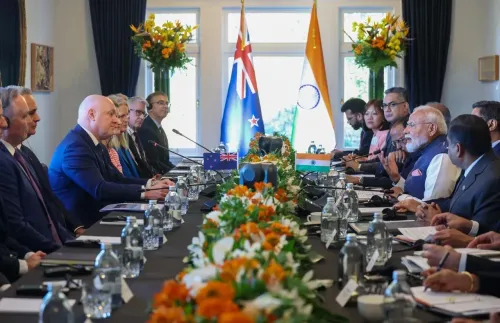
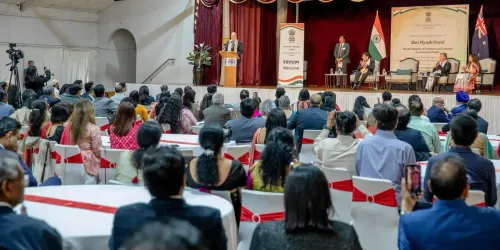
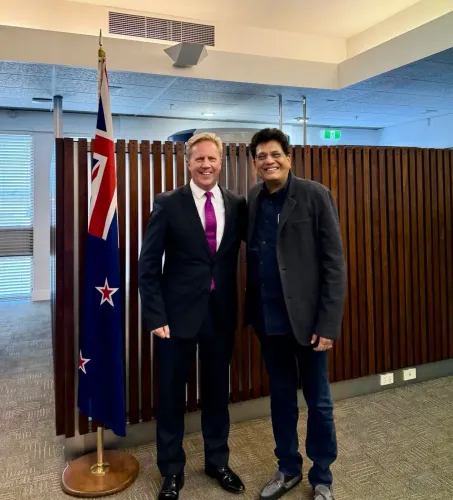
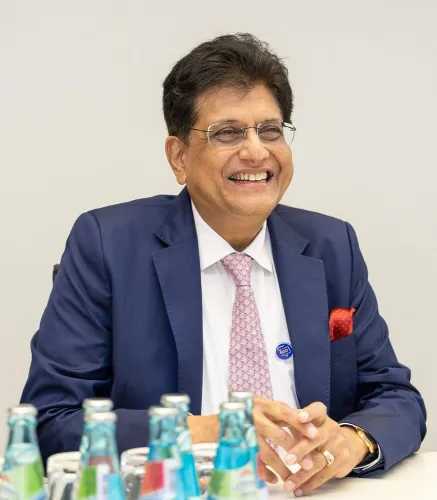
Union Commerce and Industry Minister Piyush Goyal announced on Saturday, 11 July 2026, that India and New Zealand have taken the historic decision to elevate their bilateral relationship to the level of a Strategic Partnership, with a commitment to advance cooperation across all sectors with clear goals and concrete outcomes.
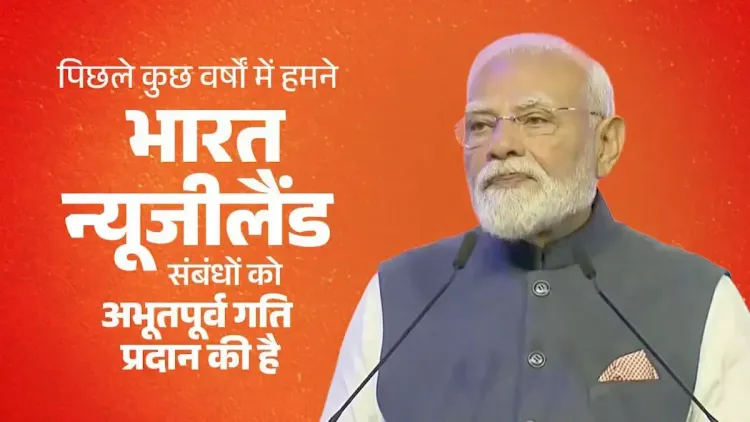
Posting on X, Minister Goyal wrote — 'हमने भारत-न्यूजीलैंड संबंधों को Strategic Partnership के स्तर पर ले जाने का ऐतिहासिक निर्णय लिया है' — ('We have taken the historic decision to elevate India-New Zealand relations to the level of a Strategic Partnership. Under this, we will move forward in every sector with clear goals and concrete outcomes.')
Context
India and New Zealand share longstanding ties built on trade, education, and people-to-people connections. The elevation to a Strategic Partnership marks a qualitative shift, signalling that both nations intend to pursue structured, outcome-driven cooperation rather than ad hoc engagement. Minister Goyal, as Leader of the House in the Rajya Sabha and the minister overseeing trade and investment policy, is a principal architect of India's bilateral economic outreach.
Policy Backdrop
India and New Zealand first launched negotiations for a Comprehensive Economic Cooperation Agreement (CECA) in 2010, with talks revived following a ministerial commitment in 2022. The new Strategic Partnership framework is consistent with India's broader approach of systematically upgrading ties with like-minded middle powers across the Indo-Pacific to diversify trade options and secure supply chains. New Zealand, as a democratic partner outside major alliance blocs, fits squarely into this strategic calculus.
India has followed this playbook with several other economies in recent years — pairing economic agreements with cooperation tracks on defence, technology, and education. The announcement with New Zealand continues that decade-long pattern, now formalised at the strategic level.
Stakeholders and Impact
Indian exporters stand to benefit from enhanced market access to New Zealand, particularly in sectors such as pharmaceuticals, information technology services, and textiles. On the other side, New Zealand's dairy, agri-commodities, and education sectors have historically sought deeper engagement with the large Indian market. A formal Strategic Partnership framework creates institutional channels — joint working groups, ministerial dialogues — that could accelerate progress on these fronts.
The business communities of both countries, as well as the Indian diaspora in New Zealand, are key stakeholders who stand to gain from smoother regulatory cooperation and expanded mobility provisions that typically accompany such partnerships.
What's Next
Analysts will watch closely for the scheduling of joint working groups on defence, technology, and trade, as well as any renewed momentum on the long-pending Comprehensive Economic Cooperation Agreement. A prime-ministerial visit or a formal bilateral summit could follow as both governments translate the Strategic Partnership declaration into actionable roadmaps. The emphasis on 'clear goals and concrete outcomes' in Minister Goyal's statement suggests both sides intend to move beyond declaratory diplomacy toward measurable deliverables.
Point of View
Multi-year effort by New Delhi to build a web of structured partnerships with Indo-Pacific democracies that sit outside major alliance structures. For Minister Goyal, whose portfolio sits at the intersection of trade and industrial policy, the announcement reinforces the commercial logic: New Zealand offers a gateway to Pacific markets and supply-chain diversification. The explicit emphasis on 'clear goals and concrete outcomes' is a pointed departure from the vague communiqués that have historically characterised India-New Zealand engagement, suggesting political will on both sides to finally operationalise the relationship. Whether that will translates into a concluded trade agreement will be the real test of this upgrade.
NationPress
11 Jul 2026
Frequently Asked Questions
What is the India-New Zealand Strategic Partnership announced in July 2026?
The India-New Zealand Strategic Partnership, announced by Union Minister Piyush Goyal on 11 July 2026, is a formal upgrade of bilateral ties that commits both countries to cooperation across all sectors — including trade, defence, technology, and education — with defined goals and measurable outcomes.
What does India-New Zealand Strategic Partnership mean for trade?
It creates a structured framework that could accelerate long-stalled Comprehensive Economic Cooperation Agreement (CECA) negotiations first launched in 2010, potentially opening Indian markets to New Zealand dairy and agri-products while expanding access for Indian IT and pharmaceutical exports.
Why did India elevate ties with New Zealand to Strategic Partnership level?
India has been systematically upgrading bilateral ties with like-minded Indo-Pacific middle powers to diversify trade options and secure supply chains. New Zealand, as a democratic partner outside major alliance blocs, fits this strategic approach.
What is Piyush Goyal's role in India-New Zealand relations?
As Union Minister of Commerce and Industry and Leader of the House in the Rajya Sabha, Piyush Goyal oversees India's trade and investment policy, making him a key figure in negotiating and announcing bilateral economic frameworks such as this Strategic Partnership.
What are the next steps after India-New Zealand Strategic Partnership announcement?
Expected next steps include the formation of joint working groups on defence, technology, and trade, renewed momentum on the bilateral CECA, and potentially a prime-ministerial visit or formal bilateral summit to operationalise the partnership.